

What is a Sodium Chloride Material Handling System? What are its Design Principles?
Sodium chloride, commonly known as table salt, is a fundamental chemical compound used in various industries, including food processing, pharmaceuticals, and water treatment. The efficient and safe transportation of sodium chloride is crucial for maintaining production efficiency and ensuring product quality. A specialized material handling system is designed to address these needs, integrating advanced engineering principles to handle the unique properties of sodium chloride. This article explores the key components and design principles of a sodium chloride material handling system, highlighting the expertise of Shandong HeadPowder Engineering Co., Ltd. from China.
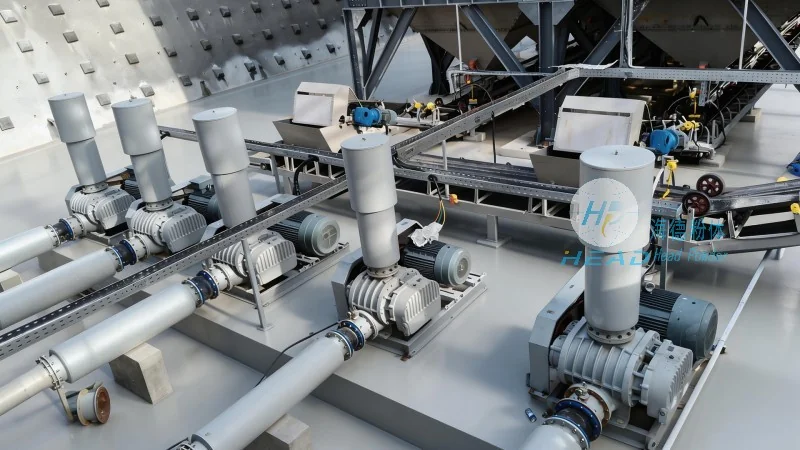
At Shandong HeadPowder Engineering Co., Ltd., based in Shandong, China, the development of sodium chloride material handling systems is rooted in a deep understanding of industrial requirements. The company specializes in creating customized solutions that meet the specific demands of clients, ensuring that the systems are not only efficient but also compliant with safety and regulatory standards. The design process begins with a thorough analysis of the material's characteristics, such as its granular size, moisture content, and flowability, which are critical factors in determining the most suitable equipment for transportation.
The core components of a sodium chloride material handling system typically include bulk handling equipment like conveyor belts, screw conveyors, and pneumatic conveyors. Conveyor belts are widely used for horizontal and slight incline transport, providing a reliable method for moving large quantities of sodium chloride. Screw conveyors, on the other hand, are ideal for vertical or inclined transport, utilizing a rotating screw to push the material forward. Pneumatic conveyors use air pressure to transport sodium chloride in a closed system, which is particularly effective for handling fine powders or preventing contamination. Each of these components is carefully selected based on the system's operational parameters, including the required capacity, distance, and environmental conditions.
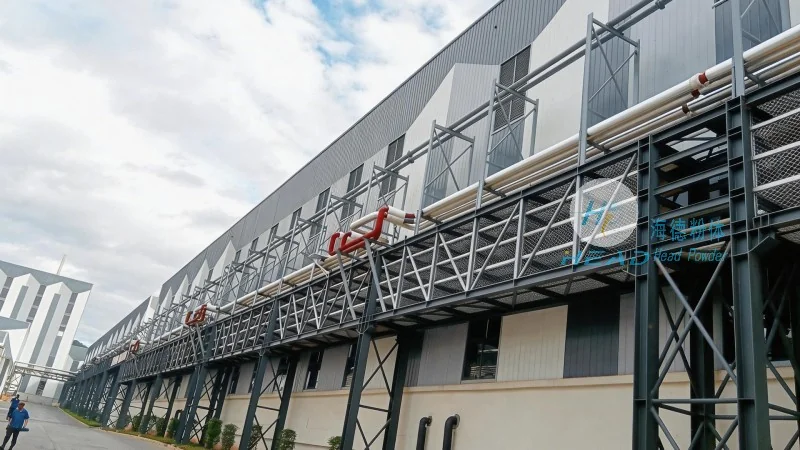
Control systems play a vital role in the operation of sodium chloride material handling systems, ensuring precise and safe handling. Modern systems often incorporate automated controls that monitor flow rates, pressure, and temperature, providing real-time data to operators. This allows for immediate adjustments to maintain optimal performance and prevent issues like clogging or overloading. Safety features are also integrated into the design, including emergency stop mechanisms, overload protection, and dust suppression systems. These measures are essential for protecting both personnel and equipment, especially when handling large volumes of sodium chloride in industrial settings.
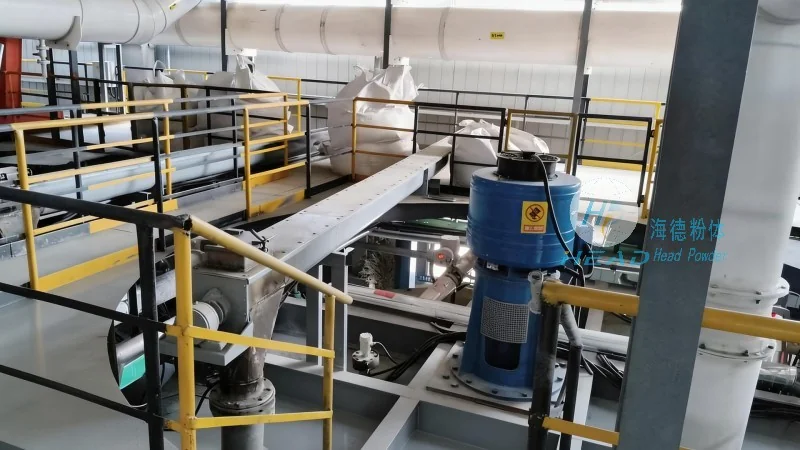
The design principles of a sodium chloride material handling system are guided by several key factors, including material properties, operational efficiency, and safety. The system must be designed to handle the material's flow characteristics, ensuring that it moves smoothly without causing blockages or degradation. This involves selecting appropriate equipment and maintaining proper maintenance schedules to prevent wear and tear. Additionally, the system should be energy-efficient, minimizing operational costs while maximizing throughput. The integration of advanced technologies, such as sensors and automation, helps achieve these goals by optimizing performance and reducing downtime.
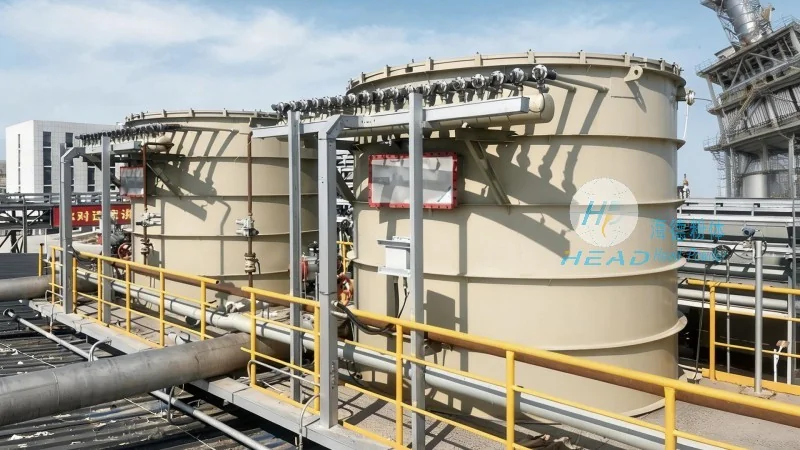
Customization is a critical aspect of sodium chloride material handling systems, as each application may have unique requirements. Shandong HeadPowder Engineering Co., Ltd. offers tailored solutions that can be adapted to specific production processes, whether for small-scale or large-scale operations. The company's engineers work closely with clients to understand their needs and develop systems that are both effective and cost-effective. This collaborative approach ensures that the final solution meets all operational and safety standards, providing long-term benefits for the client's business.
In conclusion, a sodium chloride material handling system is a sophisticated engineering solution that combines various components and design principles to ensure the efficient and safe transportation of this essential chemical. The expertise of companies like Shandong HeadPowder Engineering Co., Ltd. is vital in developing these systems, as they bring together technical knowledge, industry experience, and customer-centric solutions. By adhering to rigorous design standards and incorporating advanced technologies, these systems contribute to improved productivity and safety in industrial applications. As the demand for sodium chloride continues to grow, the importance of reliable material handling systems becomes increasingly evident, making them an indispensable part of modern industrial operations.