

What is a Ferric Sulfate Material Handling System? And What Are Its Design Principles?
Understanding the ferric sulfate material handling system and its design principles is crucial for industries dealing with this chemical compound. Ferric sulfate, also known as iron(III) sulfate, is a widely used chemical in water treatment, industrial processes, and other applications. The efficient and safe transportation of this material requires specialized equipment and thoughtful engineering design. This article explores the components, functionality, and key design principles of a ferric sulfate material handling system, with insights from Shandong HeadPowder Engineering Co., Ltd., a leading provider in the field.
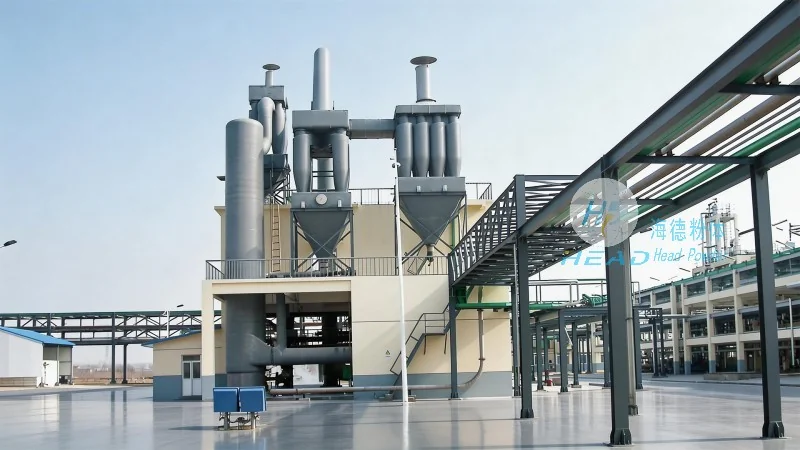
HeadPowder, the professional brand under Shandong HeadPowder Engineering Co., Ltd., specializes in the design, manufacturing, and integration of material handling systems tailored for various industrial chemicals, including ferric sulfate. With a strong presence in China, particularly in Shandong, the company leverages years of experience to deliver robust and reliable solutions that meet the stringent requirements of modern industrial operations.
Components and Functionality of the Ferric Sulfate Material Handling System
The ferric sulfate material handling system typically consists of several interconnected components that work in harmony to ensure the safe and efficient transport of the material. Key components include:
- Storage Silos or Hoppers: These are used to store the bulk ferric sulfate, providing a controlled environment that minimizes exposure to moisture and air, which can affect the material's properties. The design of these silos often incorporates corrosion-resistant materials, such as stainless steel or specialized coatings, to withstand the chemical's aggressive nature.
- Pneumatic or Mechanical Conveyors: Depending on the specific application and material characteristics, the system may use either pneumatic (air-powered) or mechanical (belt, screw, or chain) conveyors to move the material from the storage silos to processing units or packaging areas. Pneumatic systems are often preferred for fine powders like ferric sulfate, as they can handle dust and provide gentle handling to prevent agglomeration.
- Feeding and Metering Equipment: This includes devices like rotary valves, screw feeders, or gravimetric feeders that regulate the flow of ferric sulfate from the storage to the conveyor or processing line. Accurate metering is essential to maintain consistent dosing in applications such as water treatment, where precise chemical dosing is critical for effectiveness.
- Control and Monitoring Systems: Modern ferric sulfate handling systems are equipped with advanced control panels and sensors that monitor parameters like pressure, flow rate, temperature, and material level. These systems ensure real-time operation and allow for immediate adjustments if any deviations occur, enhancing safety and operational efficiency.
Design Principles for Ferric Sulfate Handling
The design of a ferric sulfate material handling system follows several key principles to ensure durability, safety, and performance. These principles are tailored to address the unique challenges posed by ferric sulfate, including its corrosive properties, hygroscopic nature, and potential for dust generation.
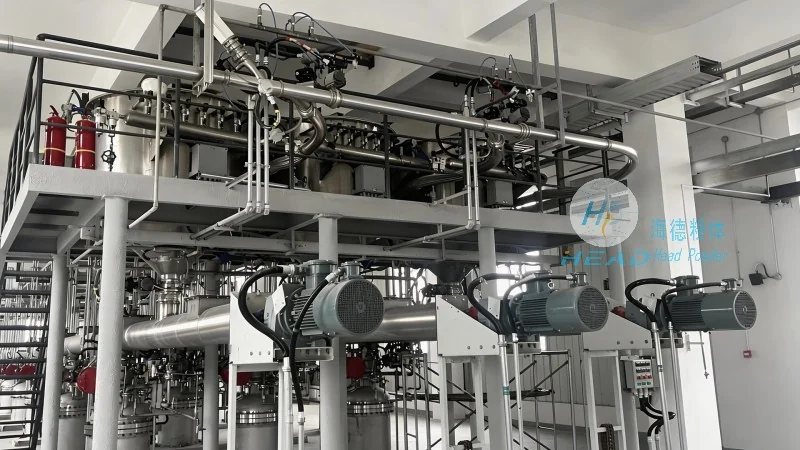
Corrosion Resistance: Ferric sulfate is a highly corrosive chemical, especially when in contact with water or certain metals. Therefore, all components of the system—such as silos, conveyors, and piping—are constructed from materials that resist corrosion, such as stainless steel, high-grade alloys, or specialized coatings. This prevents material degradation and ensures the system's longevity.
Material Flow Management: Ferric sulfate is a fine powder that can be prone to bridging, caking, or agglomeration in storage or during transport. The design incorporates features like agitators, vibrators, or air knives to maintain consistent flow and prevent blockages. Proper hopper and silo geometry, including conical or wedge-shaped designs, also help to promote smooth material discharge.
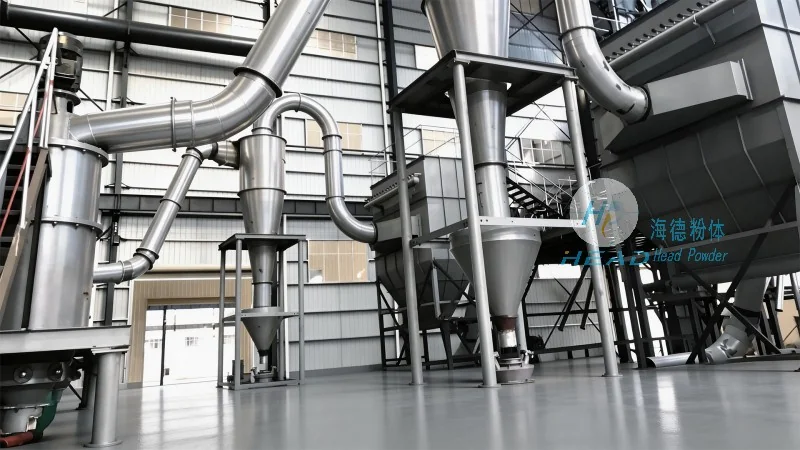
Safety and Environmental Considerations: Given the potential for dust generation and the need to handle a hazardous chemical, safety is a top priority in system design. The system includes dust collection and filtration systems to capture airborne particles and prevent environmental contamination. Additionally, explosion-proof components and emergency shutdown mechanisms are integrated to mitigate risks associated with the material's handling.
Integration with Process Requirements: The design of the ferric sulfate handling system is closely aligned with the specific needs of the end application. For example, in water treatment plants, the system may be designed to deliver precise dosing of ferric sulfate to neutralize contaminants or coagulate particles. In industrial manufacturing, the system may be integrated with other processing equipment to ensure seamless material transfer and minimize downtime.
Application and Operational Benefits
Ferric sulfate material handling systems are widely used in various industries, including water treatment, chemical manufacturing, and wastewater treatment. The primary benefits of implementing such a system include: