

What is a Manganese Silicate Material Handling System? And What Are Its Design Principles?
Understanding the design principles and operational aspects of a manganese silicate material handling system is crucial for industries that rely on efficient and reliable transportation of this specific chemical compound. Manganese silicate, a compound often used in various industrial applications such as catalysts, batteries, and corrosion inhibitors, requires specialized equipment to ensure safe and effective handling. This article explores the fundamental components, design considerations, and operational mechanisms of such a system, providing insights into how it meets the demands of modern industrial processes.
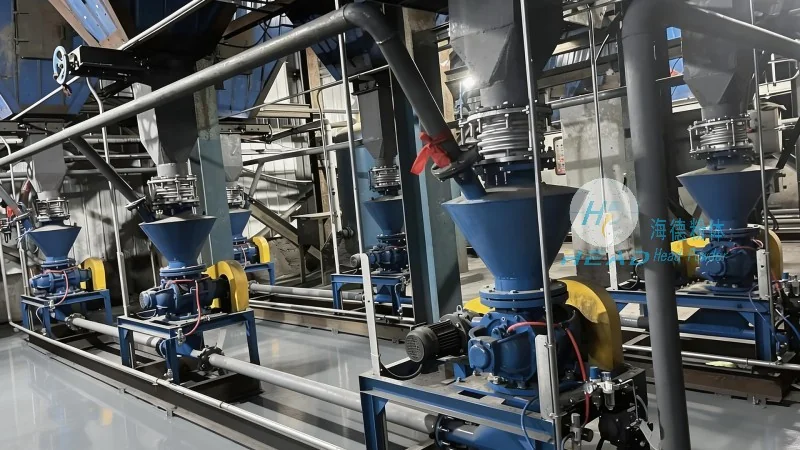
Introduction to Manganese Silicate Material Handling Systems
A manganese silicate material handling system is a specialized setup designed to transport, store, and manage manganese silicate, a compound with unique physical and chemical properties. The system typically integrates various components, including storage silos, conveyor systems, feeding mechanisms, and control units, all tailored to handle the material's characteristics. These systems are essential in industrial settings where manganese silicate is a key raw material or intermediate product. The design of such systems must account for factors like the material's bulk density, flowability, and potential reactivity, ensuring that the handling process is both efficient and safe.
Key Components of a Manganese Silicate Material Handling System
The core components of a manganese silicate material handling system include storage silos, which are designed to hold large quantities of the material. These silos are often constructed from corrosion-resistant materials, such as stainless steel or lined concrete, to prevent degradation from the chemical properties of manganese silicate. The silos may feature internal agitators or vibrators to maintain material flow and prevent caking, which is a common issue with certain silicate compounds. Additionally, the system includes conveyor systems, which can be belt conveyors, screw conveyors, or pneumatic conveyors, depending on the specific requirements of the material and the application. The choice of conveyor type is critical as it directly impacts the efficiency and safety of the material transport process.
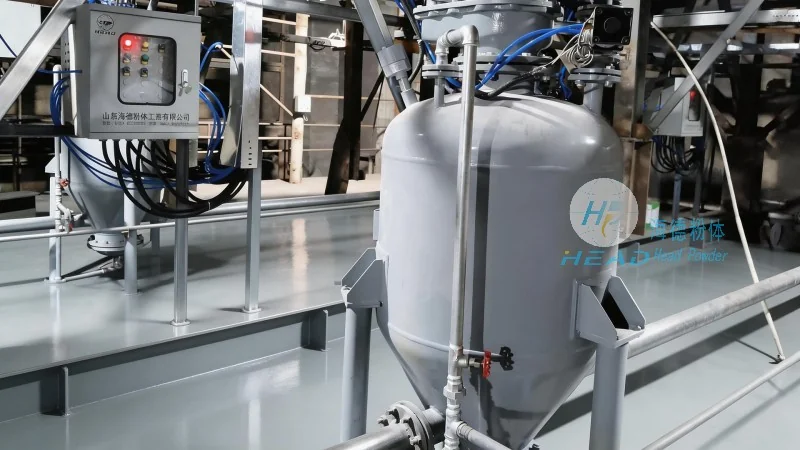
Design Principles for Efficient Material Handling
The design principles of a manganese silicate material handling system focus on maximizing efficiency while ensuring safety and reliability. One of the primary principles is the optimization of material flow, which involves designing the system to minimize blockages and ensure consistent throughput. This is achieved through careful consideration of the material's flow characteristics, including its angle of repose and bulk density. The system may incorporate features like hopper designs with smooth, curved surfaces to facilitate material flow and prevent material buildup. Another key principle is the integration of safety measures, such as dust collection systems and explosion-proof components, to protect personnel and equipment from potential hazards associated with manganese silicate handling. The design also considers the need for easy maintenance and accessibility, with components that can be easily inspected and serviced to minimize downtime.
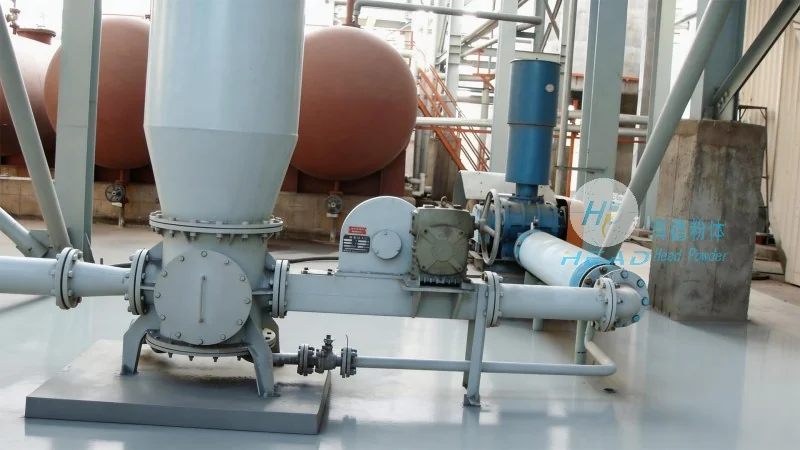
Operational Mechanisms and Control Systems
The operational mechanisms of a manganese silicate material handling system involve a series of steps that ensure the material is transported from storage to processing or packaging areas. The process typically begins with material discharge from the storage silo into a feeder, which regulates the flow rate. The feeder may be a rotary valve or a screw feeder, depending on the system's design. From the feeder, the material is transported via the conveyor system to the desired location. Control systems, often integrated with sensors and automation technology, monitor the system's performance and adjust parameters as needed. These systems can include level sensors to detect silo levels, flow meters to measure material throughput, and alarm systems to alert operators of any abnormalities. The control systems ensure that the material handling process is consistent and efficient, reducing the risk of errors or accidents.
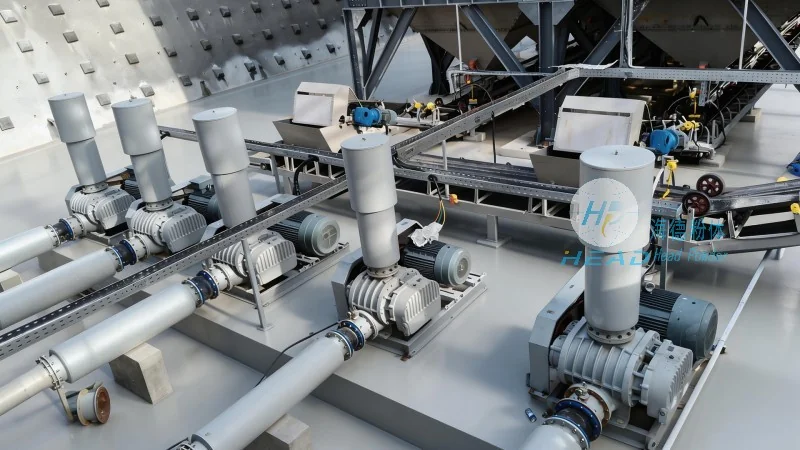
Applications and Industry Relevance
Manganese silicate material handling systems are widely used in various industries due to the compound's versatility. In the chemical industry, manganese silicate is used as a catalyst in the production of other chemicals, and the handling system ensures that it is delivered to reactors in the correct quantity and form. In the battery industry, manganese silicate is used as an electrode material, and the system facilitates its transport from storage to the manufacturing line. Additionally, in the construction industry, manganese silicate is used as a corrosion inhibitor in concrete and other building materials, and the handling system ensures that it is applied correctly and efficiently. The reliability and efficiency of these systems are critical to the success of these applications, as any inefficiency or safety issue can impact production quality and costs.
Conclusion and Future Considerations
In conclusion, a manganese silicate material handling system is a sophisticated piece of equipment designed to handle the unique properties of this chemical compound. The system's design incorporates various components and principles aimed at ensuring efficient, safe, and reliable material transport. As industries continue to rely on manganese silicate for their operations, the importance of well-designed and maintained material handling systems will only grow. Future considerations may include the integration of advanced technologies, such as AI-driven control systems and predictive maintenance, to further enhance the efficiency and safety of these systems. However, the core principles of optimizing material flow and ensuring safety will remain central to the design and operation of manganese silicate material handling systems.