

What is a Fine Aggregate Material Handling System? Understanding Its Design Principles
For industries dealing with fine aggregates, efficient material handling is crucial to maintaining operational efficiency and product quality. A fine aggregate material handling system is a specialized setup designed to transport, store, and manage fine aggregates such as sand, silt, and small gravel particles. These systems are integral to construction, mining, and manufacturing processes where precise control over particle size and flow is essential. This article explores the core components, operational principles, and design considerations of such systems, highlighting how they enhance productivity and reliability in material handling operations.
Key Components of a Fine Aggregate Material Handling System
The effectiveness of a fine aggregate material handling system relies on several interconnected components that work in harmony to ensure smooth material flow. The primary components typically include:
- Feed Hoppers: These are containers that receive raw fine aggregates from bulk storage or processing units. Feed hoppers are designed to regulate the flow of material into the system, preventing overloading and ensuring consistent feed rates.
- Conveyors: Conveyors are the backbone of material transport in these systems. They can be belt conveyors, screw conveyors, or pneumatic conveyors, each suited to different particle sizes and flow characteristics. Belt conveyors are commonly used for bulk material transport due to their high capacity and ability to handle abrasive materials like fine aggregates.
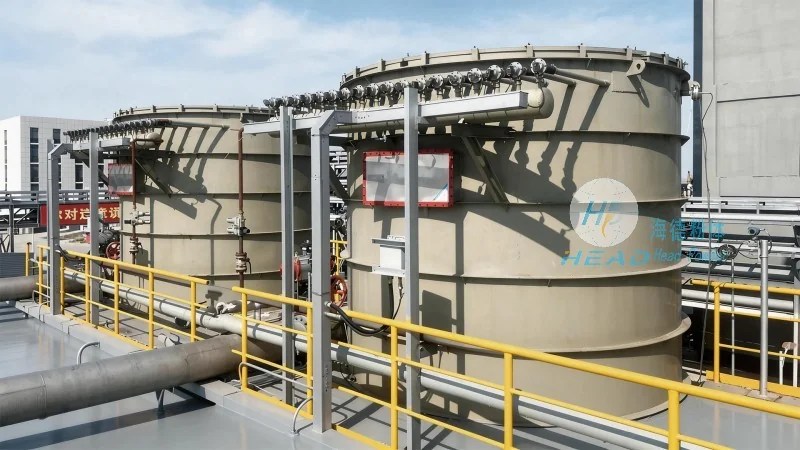
- Storage Silos: Storage silos are used to store processed or raw fine aggregates, providing a controlled environment that prevents contamination and dust generation. These silos are often equipped with aeration systems to maintain material quality and prevent caking.
- Control Systems: Modern fine aggregate handling systems incorporate advanced control systems that monitor flow rates, pressure, and material levels. These systems use sensors and automation to adjust operations in real-time, ensuring optimal performance and reducing downtime.
Design Principles for Efficient Material Handling
The design of a fine aggregate material handling system is guided by several key principles aimed at maximizing efficiency, safety, and durability. These principles include:
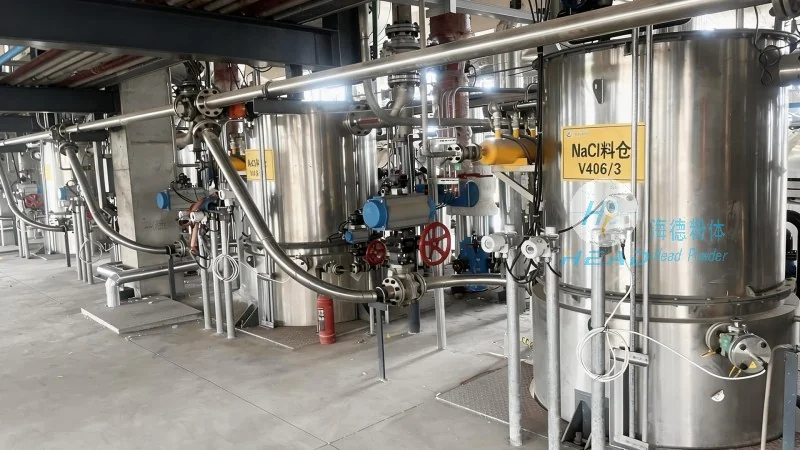
- Material Flow Optimization: The system is designed to minimize material degradation and segregation. This involves using gentle handling methods and ensuring smooth transitions between components to prevent particle breakage and maintain uniformity.
- Space Efficiency: Given the often limited space in industrial settings, systems are designed to be compact yet capable of handling high volumes. This includes vertical or inclined conveyor designs that save floor space while maintaining effective material transport.
- Durability and Corrosion Resistance: Fine aggregates can be abrasive and may contain moisture, which can lead to corrosion. Materials used in the construction of the system, such as stainless steel or corrosion-resistant alloys, are selected to withstand these conditions and extend the system's lifespan.
- Environmental Considerations: Modern designs incorporate dust control measures, such as enclosed conveyors and dust collection systems, to minimize environmental impact and ensure compliance with regulations. This also improves workplace safety by reducing exposure to fine particles.
Operational Benefits of a Fine Aggregate Material Handling System
Implementing a well-designed fine aggregate material handling system offers numerous benefits to industrial operations. These include:
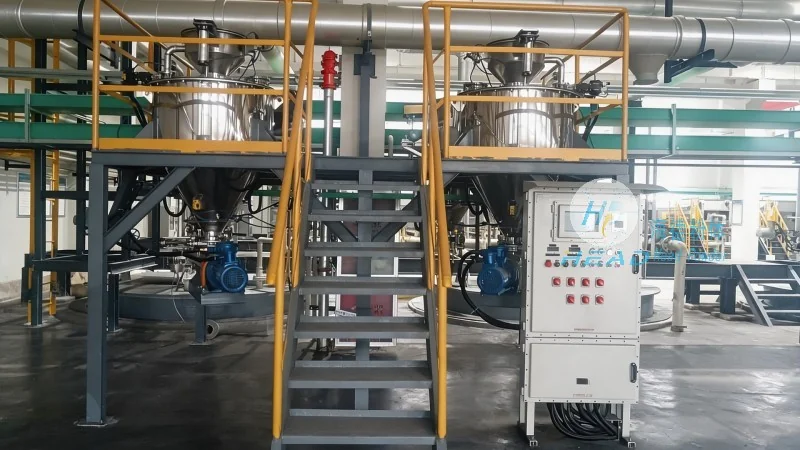
- Increased Productivity: By automating material transport and storage, these systems reduce manual labor and minimize downtime, leading to higher throughput and operational efficiency.
- Improved Product Quality: Controlled handling prevents material segregation and degradation, ensuring that the fine aggregates meet the required specifications for construction and manufacturing applications.
- Enhanced Safety: Enclosed systems and automated controls reduce the risk of dust exposure and accidents, creating a safer working environment for personnel.
- Cost Savings: Reduced maintenance due to durable components and lower labor costs from automation contribute to long-term cost savings for the operation.
Applications in Various Industries
Fine aggregate material handling systems are widely used across multiple industries, each with specific requirements tailored to their processes. Some common applications include:
- Construction Industry: In concrete production, fine aggregates are essential for achieving the right mix consistency. The systems ensure that sand and other fine materials are delivered to mixing plants in a controlled manner, improving the quality of concrete.
- Mining and Quarrying: After extraction, fine aggregates are processed and transported to storage or processing facilities. The systems help manage the large volumes of material efficiently, supporting the mining operations.
- Manufacturing: In industries that use fine aggregates for manufacturing, such as glass or ceramics, precise material handling is critical to maintaining product consistency and reducing waste.
Conclusion
A fine aggregate material handling system is a sophisticated solution that addresses the unique challenges of transporting and managing fine particles. By integrating advanced components and adhering to key design principles, these systems enhance operational efficiency, product quality, and safety. For businesses in construction, mining, and manufacturing, investing in a well-designed material handling system is a strategic move that can lead to significant long-term benefits. As a leader in engineering solutions, Shandong HeadPowder Engineering Co., Ltd. specializes in developing tailored material handling systems that meet the specific needs of clients, ensuring optimal performance and reliability in handling fine aggregates.