

What Are Silica Fume Material Handling Equipment? Understanding Their Design Principles
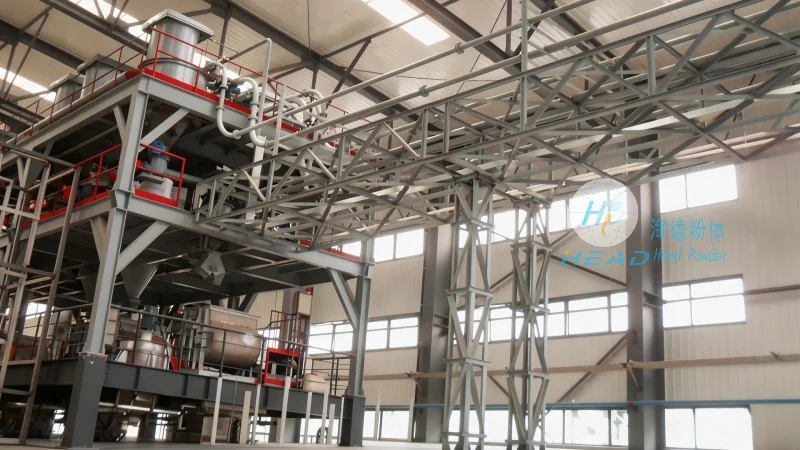
For industrial applications that require efficient and reliable transport of silica fume—a fine, pozzolanic material widely used in concrete production—specialized equipment is essential. Silica fume material handling equipment is engineered to manage the unique properties of this material, ensuring safe, consistent, and efficient movement from storage to processing points. This article delves into the core components and design principles behind such equipment, highlighting how they address the challenges posed by silica fume's characteristics.
Key Characteristics of Silica Fume and Their Impact on Handling
Silica fume, also known as microsilica, is a byproduct of silicon metal or ferrosilicon production. It consists of extremely fine particles (typically 0.1 to 0.2 microns in diameter) that are highly reactive and prone to dust generation. These properties make traditional bulk material handling equipment unsuitable, as they can lead to material degradation, equipment wear, and safety hazards. The design of silica fume handling systems must therefore prioritize dust control, particle integrity, and minimal material degradation.
Design Principles for Silica Fume Material Handling Equipment
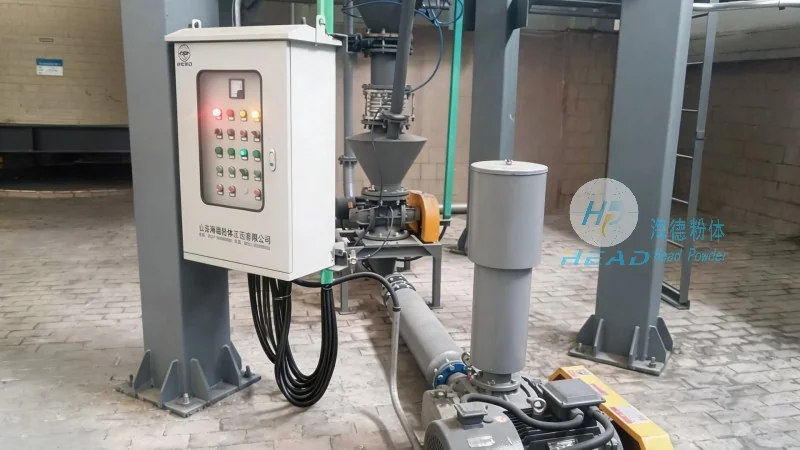
The design of silica fume material handling equipment is guided by several critical principles to ensure optimal performance. First, airtight and sealed systems are essential to prevent dust leakage and protect the material from moisture, which can affect its reactivity. This is achieved through the use of high-quality seals, enclosed conveyor systems, and vacuum or pressure-controlled transport methods. Second, low-speed, gentle handling is crucial to avoid particle breakage or agglomeration. Equipment like screw conveyors or pneumatic transport systems with controlled airflow rates are preferred to maintain the material's fine particle structure. Third, material compatibility is a key consideration. Components such as hoppers, chutes, and conveyor belts are made from materials resistant to silica fume's abrasive and corrosive properties, such as stainless steel or specialized polymers. Finally, automation and control features are integrated to ensure precise flow regulation, preventing overloading or underflow, which can impact processing efficiency.
Core Components of Silica Fume Handling Systems
Silica fume material handling systems typically consist of several interconnected components, each designed to address specific operational needs. The primary components include:
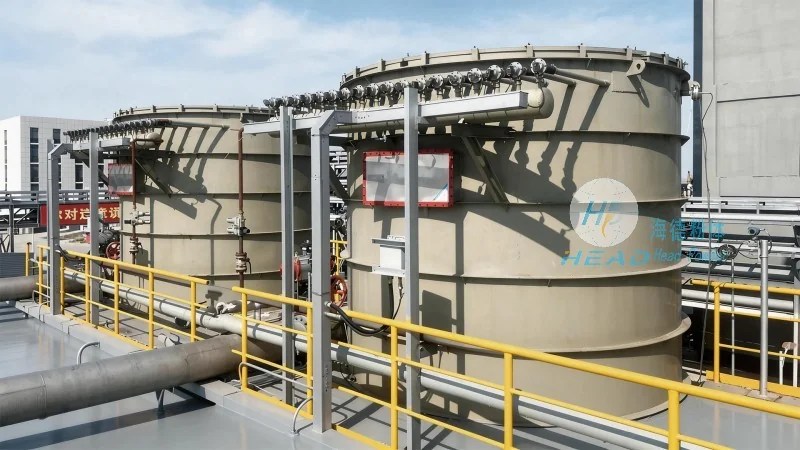
- Storage Silos: Large, airtight silos are used to store silica fume, often equipped with internal agitators to prevent material bridging or caking. These silos are usually made of corrosion-resistant materials like carbon steel or stainless steel to withstand the material's abrasive nature.
- Feeding Equipment: Screw feeders or rotary valves are used to control the flow of silica fume from the storage silo to the transport system. These devices ensure a consistent and controlled discharge rate, preventing surges or blockages.
- Conveying Systems: Depending on the application, conveying systems may include screw conveyors, belt conveyors, or pneumatic transport lines. Screw conveyors are common for horizontal or slight incline transport due to their ability to handle fine powders without generating excessive dust. Pneumatic systems, on the other hand, use air to transport silica fume in a sealed pipeline, ideal for long-distance or vertical transport.
- Dust Control Systems: To mitigate the risk of dust exposure and environmental contamination, silica fume handling systems incorporate dust collection and filtration systems. These may include cyclones, baghouses, or cartridge filters that capture and contain fine particles, ensuring compliance with occupational health and safety regulations.
- Processing and Discharge Equipment: At the end of the transport line, equipment such as discharge hoppers or spray nozzles is used to deliver silica fume to the next stage of processing, such as mixing with concrete or further grinding.
Applications and Benefits of Silica Fume Handling Equipment
Silica fume material handling equipment is widely used in the construction industry, particularly in the production of high-performance concrete. The benefits of these systems extend beyond efficient transport—they also contribute to improved product quality and operational safety. By maintaining the integrity of silica fume particles, the equipment ensures consistent concrete properties, such as enhanced strength and durability. Additionally, the sealed and dust-controlled design reduces the risk of occupational exposure to fine silica particles, aligning with health and safety standards. For manufacturers, the use of specialized equipment also minimizes material waste and operational downtime, leading to cost savings and increased productivity.
Conclusion
Silica fume material handling equipment is a critical component in modern industrial processes, particularly in the concrete industry. The design principles and components of these systems are tailored to address the unique challenges posed by silica fume's fine particle size, reactivity, and dust generation. By prioritizing airtightness, gentle handling, and material compatibility, these systems ensure efficient, safe, and reliable transport of silica fume. As the demand for high-performance concrete continues to grow, the importance of robust silica fume handling equipment will only increase, making it an essential investment for companies seeking to optimize their production processes and maintain compliance with industry standards.