

What Are Centralized Material Feeding and Conveying Systems? Understanding Their Design Principles
Centralized material feeding and conveying systems are essential components in modern industrial operations, designed to efficiently manage the flow of raw materials or components from storage to processing areas. These systems are crucial for optimizing production efficiency, reducing labor costs, and ensuring consistent material supply throughout manufacturing processes. By integrating various feeding mechanisms and conveyor technologies, such systems provide a streamlined approach to material handling, which is vital for maintaining smooth production workflows.
Key Components and Design Principles
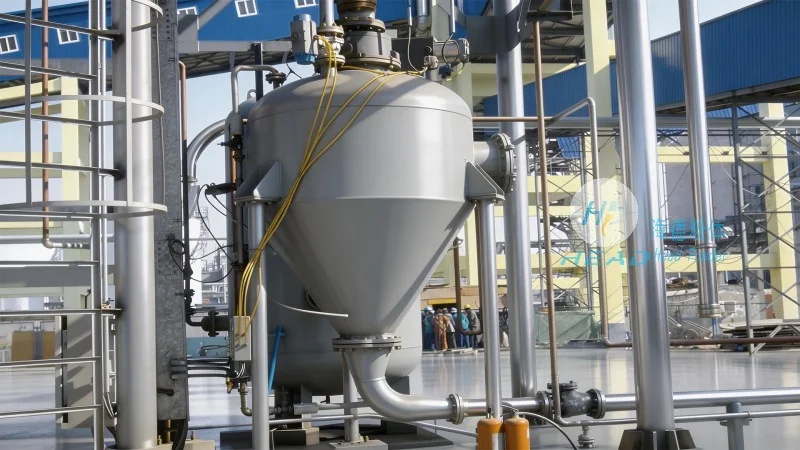
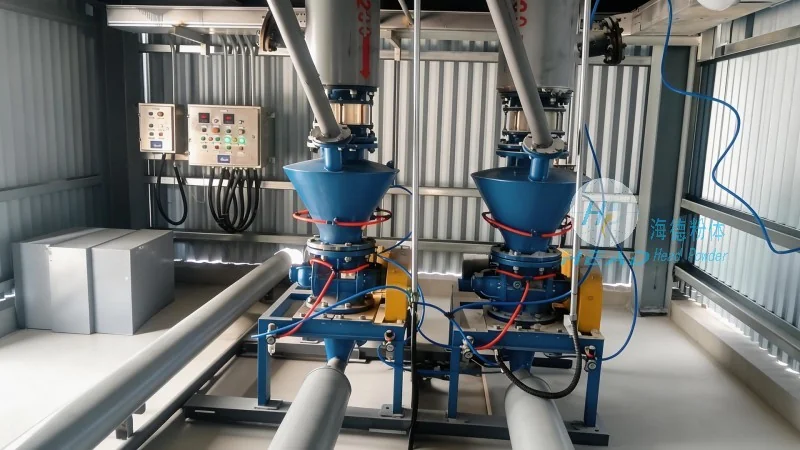
The design of centralized material feeding systems typically involves several core components that work in tandem to achieve effective material transfer. These components include material hoppers or bins for storage, feeding mechanisms like vibratory feeders or screw conveyors to control the flow rate, and conveyor systems such as belt conveyors or chain conveyors to transport materials to the processing units. The design principles focus on maximizing throughput while minimizing downtime and material loss. Engineers often consider factors like material properties (e.g., bulk density, flowability), production capacity requirements, and space constraints when designing these systems. For instance, vibratory feeders are commonly used for materials with varying flow characteristics, as they can adjust the feeding rate dynamically to match production demands. Belt conveyors, on the other hand, are ideal for transporting bulk materials over longer distances with minimal maintenance.
Benefits of Centralized Material Feeding Systems
Implementing centralized material feeding and conveying systems offers numerous advantages for industrial manufacturers. One of the primary benefits is improved operational efficiency, as these systems can handle large volumes of materials with minimal human intervention. This leads to reduced labor costs and increased productivity, as operators can focus on other critical tasks rather than manual material handling. Additionally, centralized systems enhance material consistency and quality control, as they ensure a uniform flow of materials to the processing equipment, reducing the risk of overfeeding or underfeeding. This consistency is particularly important in industries like pharmaceuticals or food processing, where precise material control is essential for product quality and safety. Furthermore, these systems contribute to better space utilization in manufacturing facilities, as they can be designed to fit into existing layouts without requiring extensive modifications. By consolidating material handling operations, companies can also achieve better inventory management, as materials are stored and fed in a controlled manner, preventing stockouts or excess inventory.
Application Examples in Different Industries
Centralized material feeding and conveying systems are widely used across various industries, each with specific requirements tailored to their production processes. In the automotive industry, for example, these systems are used to feed metal parts or components to assembly lines, ensuring a continuous supply of materials for efficient vehicle manufacturing. The aerospace industry also relies on such systems to handle lightweight materials like composites or metal sheets, which require precise feeding to maintain structural integrity. In the food and beverage sector, centralized feeding systems are employed to transport ingredients like grains, powders, or liquids to processing equipment, maintaining hygiene standards and ensuring consistent product quality. Similarly, in the pharmaceutical industry, these systems are critical for handling active pharmaceutical ingredients (APIs) or excipients, as they must be fed in a controlled manner to meet regulatory requirements for product purity and consistency. Each industry adapts the design of the material feeding system based on the specific characteristics of the materials being handled, such as particle size, moisture content, or chemical properties.
Customization and Integration with Existing Systems
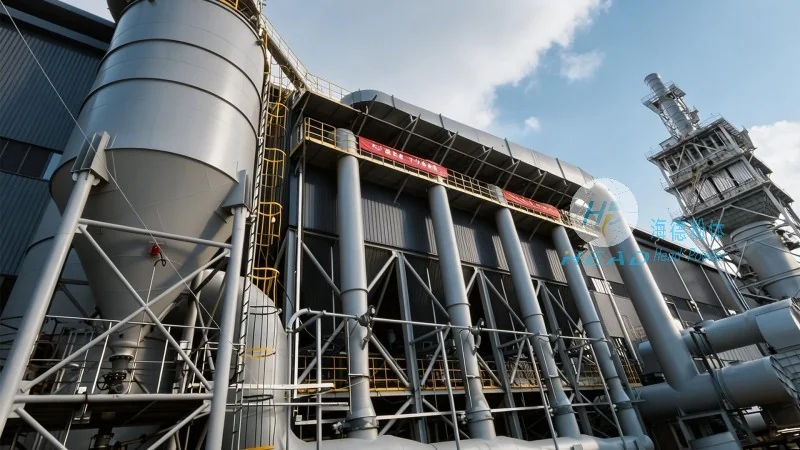
Shandong HeadPowder Engineering Co., Ltd., a leading manufacturer based in China, specializes in designing and manufacturing customized centralized material feeding and conveying systems to meet the unique needs of their clients. The company’s expertise lies in understanding the specific challenges faced by different industries and developing tailored solutions that enhance operational efficiency. HeadPowder engineers work closely with clients to assess their production requirements, material properties, and facility constraints, ensuring that the final system is optimized for maximum performance. The company offers a range of standard and custom-designed components, including hoppers, feeders, and conveyors, which can be integrated seamlessly with existing production lines. This integration capability is crucial for minimizing disruptions during the transition to new material handling systems. For instance, HeadPowder can design a system that connects to an existing conveyor network, allowing for a gradual phase-in of the new centralized feeding solution. The company also provides after-sales support, including maintenance and troubleshooting services, to ensure the long-term reliability of the systems they install. By focusing on customization and integration, HeadPowder helps clients achieve sustainable improvements in their material handling processes, ultimately contributing to increased productivity and reduced operational costs.