

What Are Mineral Granular Material Conveying Equipment? And What Are Their Design Principles?
Mineral granular material conveying equipment serves as a critical component in contemporary industrial operations, enabling the efficient transportation of bulk materials such as ores, powders, and granules. These systems are indispensable for optimizing production workflows across sectors like mining, manufacturing, and processing, ensuring seamless material flow from source to destination. A comprehensive understanding of these equipment types and their underlying design principles is essential for selecting appropriate technology to meet specific operational requirements.
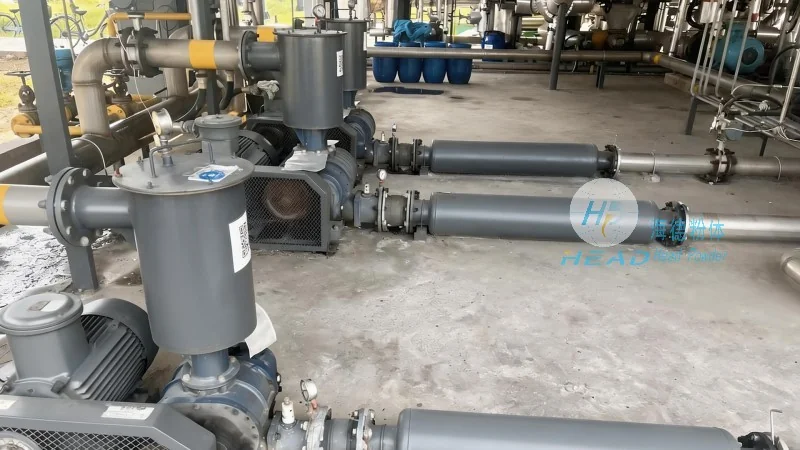
Definition and Purpose of Mineral Granular Material Conveying Equipment
Mineral granular material conveying equipment refers to mechanical systems engineered to transport loose, granular materials in bulk quantities. These systems are designed to handle materials including coal, sand, cement, and various minerals, facilitating movement through pipelines, chutes, or other conduits with minimal loss and maximum efficiency. The primary objective of such equipment is to replace manual handling methods, thereby reducing labor costs and enhancing safety in industrial environments.
Core Components and Functional Aspects
Typical mineral granular material conveying equipment comprises several interrelated components that work in concert to achieve effective material transport. These components include feeders, conveyors (such as belt conveyors, screw conveyors, and pneumatic conveyors), control systems, and discharge mechanisms. Each component serves a distinct function: feeders regulate the flow of material into the system, conveyors transport the material over long distances, and control systems ensure the entire process operates smoothly and safely. Discharge mechanisms then deliver the material to its final destination, such as storage silos or processing units.
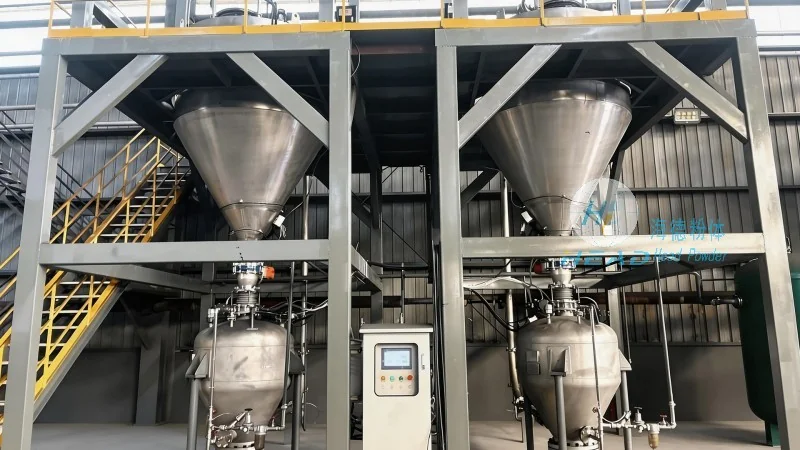
Design Principles for Optimal Material Handling
The design of mineral granular material conveying equipment is guided by several key principles aimed at maximizing efficiency, reliability, and cost-effectiveness. One foundational principle is the minimization of material degradation during transport. This involves selecting appropriate conveyor types and materials that prevent breakage, abrasion, or segregation of the granular material. For instance, belt conveyors are commonly used for transporting bulk materials over long distances, while screw conveyors are ideal for vertical or inclined transport due to their ability to handle materials with varying moisture content.
Another critical design principle is the consideration of material characteristics. Different minerals possess distinct properties, such as particle size, density, and moisture content, which influence the choice of conveying equipment. For example, cohesive materials like clay may require specialized equipment like pneumatic conveyors or bucket elevators to prevent blockages and ensure consistent flow. Engineers must also account for the environmental impact of the conveying system, ensuring it operates with minimal energy consumption and low emissions.
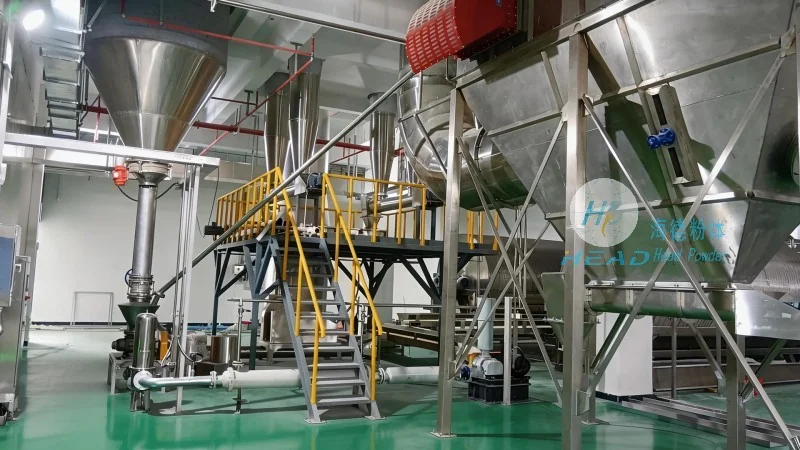
Industrial Applications and Use Cases
Mineral granular material conveying equipment is widely utilized across diverse industrial applications. In the mining industry, these systems are essential for transporting extracted ores from mines to processing plants. In the cement industry, they facilitate the movement of raw materials like limestone and clay from storage to production lines. Additionally, in the food and pharmaceutical industries, specialized conveying equipment is employed to transport granular products while maintaining hygiene and preventing contamination.
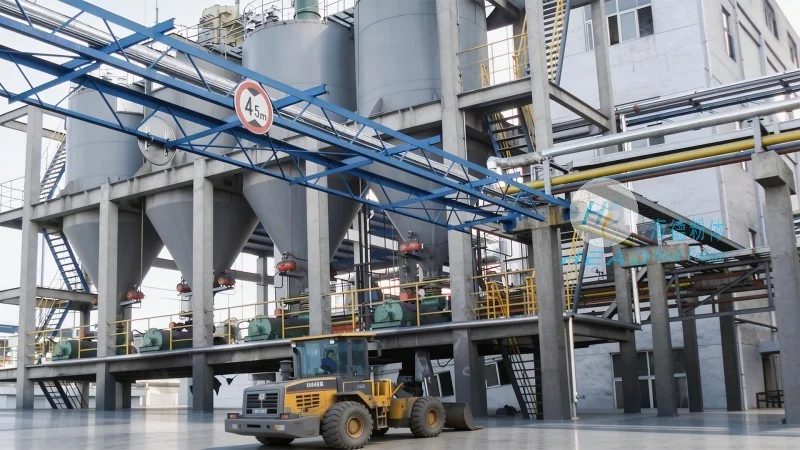
Company Profile: Shandong HeadPowder Engineering Co., Ltd.
Shandong HeadPowder Engineering Co., Ltd., commonly referred to as HeadPowder, is a leading manufacturer and supplier of mineral granular material conveying equipment. HeadPowder is headquartered in Shandong, China, and specializes in designing and producing high-quality conveying systems tailored to the unique needs of industrial clients. The company's expertise lies in developing customized solutions that enhance operational efficiency, reduce downtime, and improve overall productivity for its customers.
Conclusion
In summary, mineral granular material conveying equipment is a vital component of modern industrial operations, enabling the efficient and safe transport of bulk materials. The design principles behind these systems focus on optimizing material flow, minimizing degradation, and adapting to the specific characteristics of the materials being handled. Companies like Shandong HeadPowder Engineering Co., Ltd. play a crucial role in providing advanced conveying solutions that meet the evolving demands of the industry, ensuring that businesses can operate at peak efficiency while maintaining safety and sustainability.