

What Are Sodium Hydroxide Material Handling Equipment? Understanding Design Principles
When dealing with sodium hydroxide, a highly caustic and reactive chemical, the selection of appropriate material handling equipment is critical for ensuring safety, efficiency, and compliance with industrial standards. This article explores the key aspects of sodium hydroxide material handling equipment, focusing on its design principles and the factors that influence its effectiveness in various industrial applications.
Introduction to Sodium Hydroxide Material Handling Equipment
Sodium hydroxide, commonly known as caustic soda, is a powerful alkali used in numerous industries, including chemical manufacturing, paper production, and water treatment. Due to its corrosive nature, handling this substance requires specialized equipment designed to prevent leaks, spills, and exposure risks. The primary goal of sodium hydroxide material handling equipment is to safely transport, store, and process the chemical while minimizing environmental and occupational hazards.
Key Design Principles for Sodium Hydroxide Handling Systems
The design of sodium hydroxide material handling equipment adheres to several fundamental principles to ensure safety and operational reliability. First, materials of construction must be chemically resistant to sodium hydroxide and its solutions. Common materials include stainless steel, particularly grades such as 316 or 316L, which offer excellent resistance to corrosion. Additionally, equipment components like pumps, valves, and tanks are often lined with materials like PTFE or rubber to further enhance durability and prevent chemical attack.
Second, the equipment must be designed to minimize the risk of leaks and spills. This includes the use of tight-fitting seals, double containment systems, and robust piping networks. For example, diaphragm pumps or metering pumps are often preferred for handling sodium hydroxide because they can operate with minimal pressure and reduce the risk of mechanical failure. Valves and fittings are typically designed with elastomeric seals that are compatible with the chemical to prevent leakage under normal operating conditions.
Third, safety features are integral to the design. This includes pressure relief valves, emergency shut-off systems, and monitoring devices such as level indicators and temperature sensors. These features help prevent over-pressurization, overheating, and other hazardous situations that could lead to accidents. Additionally, the equipment is often equipped with explosion-proof components in areas where flammable gases or vapors may be present, further enhancing safety.
Components of Sodium Hydroxide Material Handling Equipment
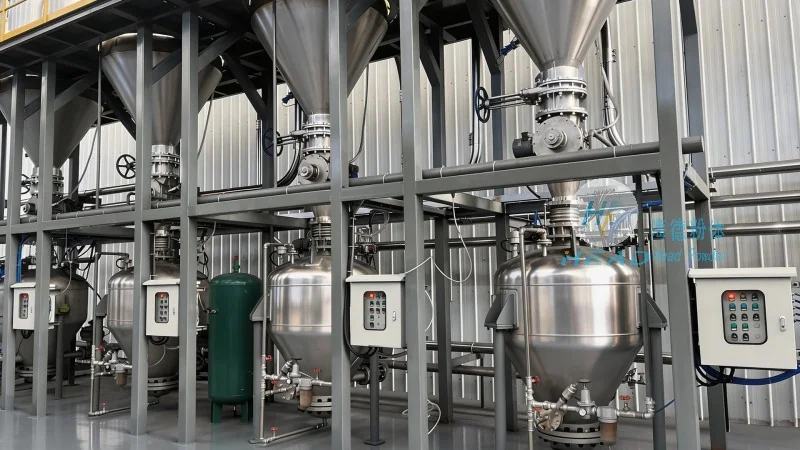
Sodium hydroxide material handling systems typically consist of several key components that work together to ensure safe and efficient operation. These components include storage tanks, transfer pumps, metering systems, and delivery pipelines. Storage tanks are usually made of corrosion-resistant materials and are equipped with internal baffles to prevent sloshing and reduce the risk of damage during transport or handling.
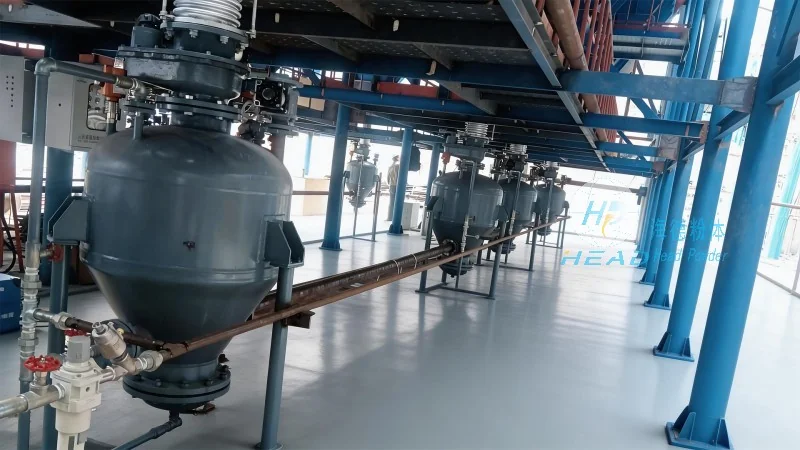
Transfer pumps are a critical component, responsible for moving sodium hydroxide from storage tanks to processing equipment or other locations. As mentioned earlier, diaphragm or metering pumps are commonly used due to their ability to handle high-viscosity fluids and maintain precise flow rates. These pumps are often equipped with check valves to prevent backflow and ensure unidirectional flow.
Metering systems are used when precise control of sodium hydroxide dosage is required, such as in chemical reactions or water treatment processes. These systems typically include flow meters, pressure regulators, and control valves that allow operators to adjust the flow rate and pressure as needed. The metering equipment is designed to be accurate and reliable, minimizing the risk of over or under-dosing, which could affect process efficiency or product quality.
Delivery pipelines are constructed from materials that are compatible with sodium hydroxide and its solutions. The pipelines are often insulated to prevent heat loss or gain, which can affect the chemical's properties. Additionally, the pipelines are equipped with valves and fittings that allow for easy maintenance and cleaning. Regular inspection and maintenance of the pipelines are essential to prevent corrosion and ensure long-term performance.
Applications of Sodium Hydroxide Material Handling Equipment
Sodium hydroxide material handling equipment is used in a wide range of industrial applications where the chemical is a key component. In the chemical industry, it is used in the production of soaps, detergents, and other cleaning agents. The equipment is designed to handle large volumes of sodium hydroxide and ensure precise dosing in these processes.
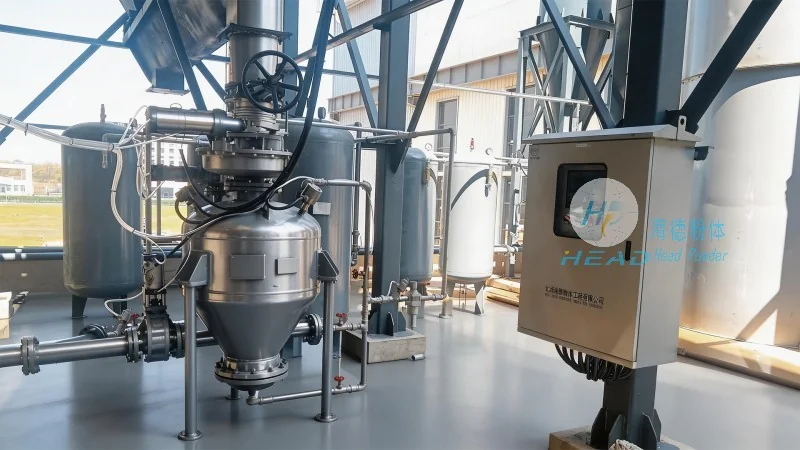
In the paper industry, sodium hydroxide is used in the pulping process to break down wood fibers into pulp. The material handling equipment in this application must be able to handle high concentrations of the chemical and maintain consistent flow rates to ensure optimal pulping efficiency.
In water treatment, sodium hydroxide is used to adjust the pH of water and neutralize acidic contaminants. The equipment used in this application is designed to handle lower concentrations of the chemical and ensure accurate dosing to maintain water quality standards.
Importance of Proper Design and Maintenance
The effectiveness of sodium hydroxide material handling equipment depends heavily on proper design and regular maintenance. A well-designed system will minimize the risk of leaks, spills, and accidents, while a poorly designed system can lead to significant safety and operational issues. Regular maintenance is essential to ensure that all components are functioning correctly and that the equipment remains in good condition.
Maintenance activities typically include inspections of equipment for signs of corrosion or wear, replacement of seals and gaskets, and cleaning of pipelines and tanks. Additionally, operators should be trained on the proper use and handling of sodium hydroxide material handling equipment to prevent accidents and ensure compliance with safety regulations.
Conclusion
Sodium hydroxide material handling equipment is a critical component of many industrial processes, and its design and operation must adhere to strict safety and efficiency standards. By understanding the key design principles and components of this equipment, industrial facilities can ensure safe and reliable handling of sodium hydroxide, minimizing risks and maximizing productivity. The proper selection and maintenance of sodium hydroxide material handling equipment are essential for the success of any industrial operation that uses this chemical.