

What is Soybean Feed Material Conveying Equipment? What is the Design Principle?
Soybean feed material conveying equipment plays a pivotal role in the modern feed production industry, serving as the backbone for transporting soybean-based feed materials from storage to feeding points. These systems are integral to maintaining the efficiency and reliability of feed mills and agricultural operations, ensuring that livestock receive a consistent supply of high-quality feed. The design and functionality of such equipment directly impact the overall productivity and profitability of feed production facilities, making it a critical investment for businesses in the animal feed sector.
Key Design Principles for Efficient Material Handling
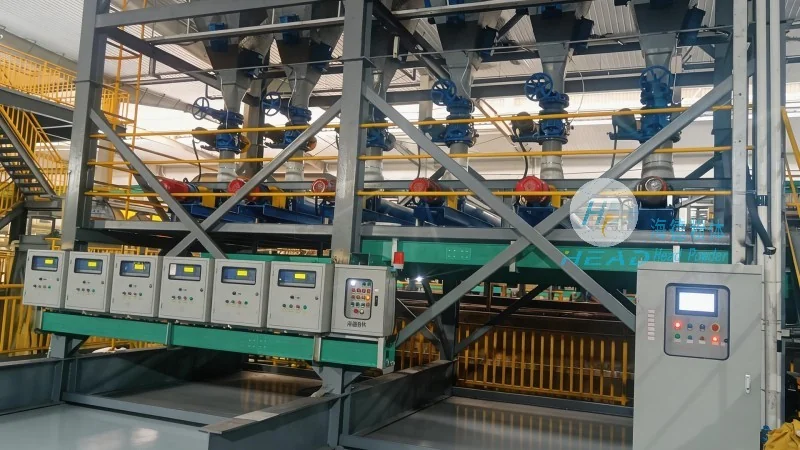
The design of soybean feed material conveying equipment is guided by several fundamental principles aimed at optimizing performance and durability. A primary principle is the minimization of material degradation during transport, which is crucial for preserving the nutritional value of soybean feed. This is achieved through the use of materials that resist wear and corrosion, such as stainless steel, and by incorporating features that prevent moisture buildup or heat generation. Another key principle is the prevention of blockages and clogging, which can disrupt the flow of feed and lead to system downtime. Advanced control systems, including variable speed drives and sensors, are integrated into the design to monitor and adjust the flow rate in real-time, ensuring smooth and continuous operation.
Components and Technologies in Modern Conveying Systems
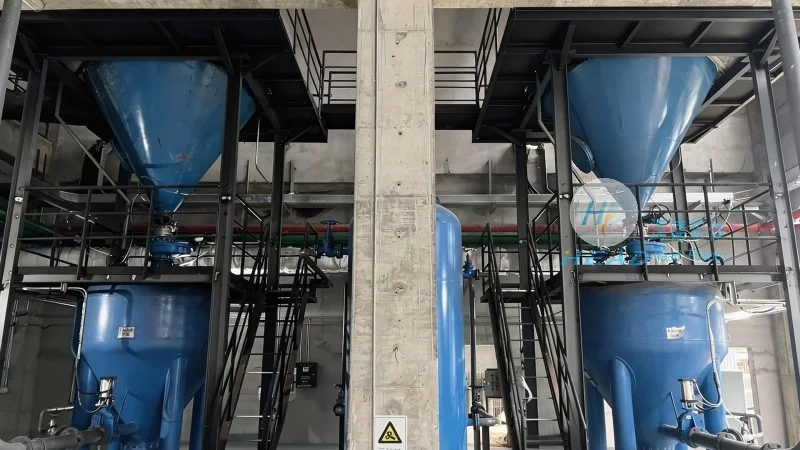
Modern soybean feed material conveying equipment typically consists of several interconnected components that work together to achieve efficient material transport. The system usually starts with a hopper or silo that stores the soybean feed, followed by a conveyor mechanism—either a belt conveyor, screw conveyor, or pneumatic system—that moves the material to the next stage of processing or feeding. The conveyor design may include features like inclined or horizontal configurations, depending on the layout of the feed mill. Additionally, the integration of sensors and automation technologies allows for precise control over the feed flow, enabling operators to adjust the speed and volume based on real-time demand. This level of control not only enhances efficiency but also reduces waste and improves the overall quality of the feed delivered to animals.
Customization and Application by Shandong HeadPowder Engineering Co., Ltd.
Shandong HeadPowder Engineering Co., Ltd. specializes in manufacturing customized soybean feed material conveying equipment tailored to the specific needs of feed production facilities. The company’s approach involves a thorough understanding of the client’s operational requirements, including the type of soybean feed being handled, the scale of production, and the space constraints of the facility. By leveraging advanced engineering and manufacturing capabilities, HeadPowder designs systems that are both efficient and cost-effective. For example, their equipment may be configured with adjustable conveyor speeds, multiple feeding points, or integrated storage solutions to meet the unique demands of each client. The company’s commitment to quality is evident in the use of high-grade materials and rigorous testing procedures, ensuring that the equipment meets or exceeds industry standards for performance and durability.
Ensuring Reliability and Longevity Through Maintenance
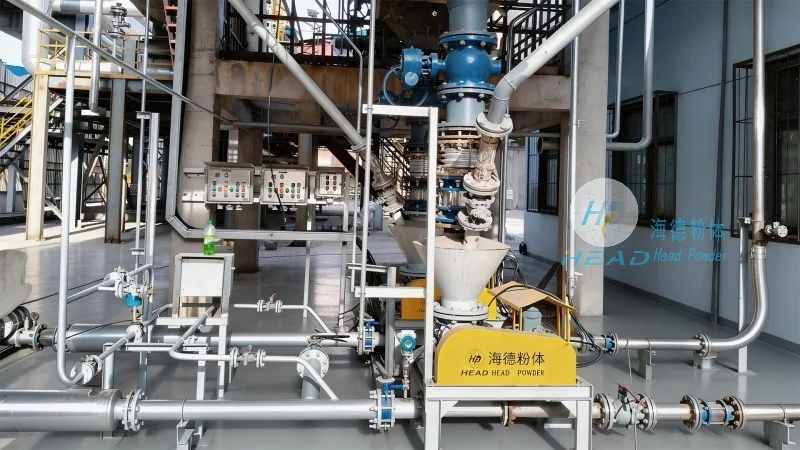
The reliability of soybean feed material conveying equipment is directly linked to proper maintenance and regular inspections. HeadPowder Engineering Co., Ltd. emphasizes the importance of a proactive maintenance schedule that includes routine checks of conveyor belts, motor performance, and control systems. The company’s equipment is designed with easy access points for maintenance, reducing the time and effort required for upkeep. Additionally, the use of durable components and corrosion-resistant materials helps to extend the service life of the equipment, minimizing the need for frequent replacements. By prioritizing maintenance, feed production facilities can avoid costly downtime and ensure that their conveying systems operate at peak efficiency, contributing to the overall success of their operations.