

What Are Biomass Pellet Material Handling Equipment? And What Are Their Design Principles?
For businesses involved in biomass processing, understanding the equipment used to handle and transport biomass pellets is crucial. Biomass pellet material handling equipment is a specialized set of machinery designed to efficiently move, store, and manage biomass pellets, which are compacted forms of organic materials like wood chips, agricultural residues, or other renewable resources. These pellets are widely used as a clean energy source in power generation and heating applications. The design of such equipment must address the unique properties of biomass pellets, including their size, density, and potential for dust generation, to ensure safe and efficient operation.
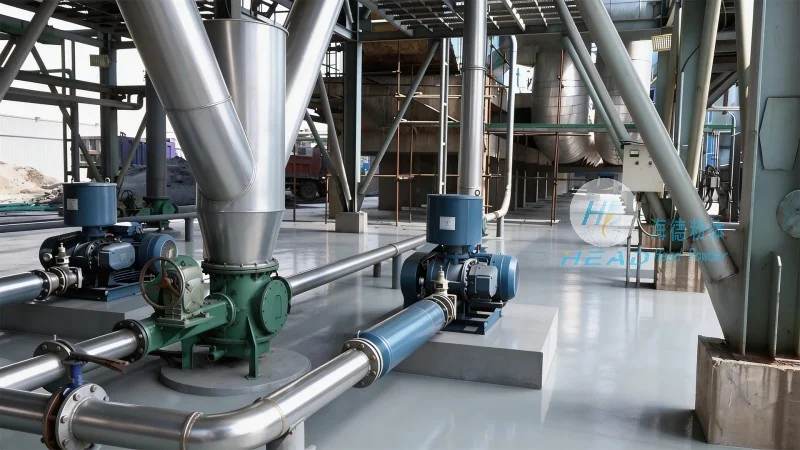
Understanding Biomass Pellet Material Handling Equipment
Biomass pellet material handling equipment encompasses a range of devices tailored to different stages of the biomass processing workflow. Common types include conveyor systems, elevators, feeders, and storage silos. Each component plays a vital role in the overall system, working together to maintain a continuous and reliable flow of pellets from raw material input to final use. The primary goal of this equipment is to minimize material loss, reduce labor costs, and enhance operational safety by automating the handling process.
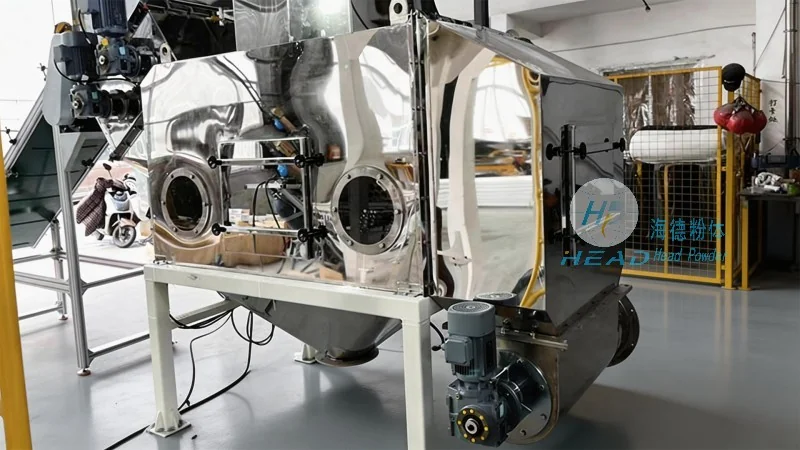
Key Components and Their Functions
The design of biomass pellet material handling equipment involves several key components, each with specific functions to ensure optimal performance. One of the most critical components is the conveyor system, which can be either belt or screw-based, depending on the application. Belt conveyors are ideal for transporting larger volumes of pellets over longer distances, while screw conveyors are better suited for vertical or inclined movement and can handle more abrasive materials. Feeders, such as rotary or vibratory types, are used to regulate the flow of pellets from storage to processing equipment, preventing overloading and ensuring consistent material delivery. Storage silos or bunkers are also essential for bulk storage, providing a stable and controlled environment to prevent moisture accumulation and degradation of the pellets.
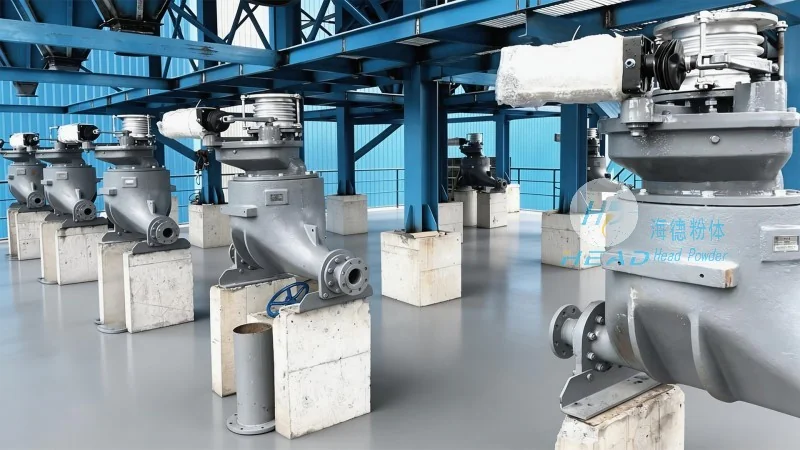
Design Principles for Efficient Material Handling
The design principles behind biomass pellet material handling equipment focus on several key factors to maximize efficiency and reliability. First, the equipment must be designed to handle the specific physical properties of biomass pellets, such as their size distribution, density, and moisture content. This involves selecting appropriate materials for the construction of components, like stainless steel or corrosion-resistant alloys, to prevent wear and tear from abrasive particles. Second, the design emphasizes energy efficiency, using low-power motors and optimized mechanisms to reduce operational costs. Third, safety is a paramount consideration, with features like dust suppression systems, emergency stop buttons, and enclosed designs to minimize the risk of dust explosions and other hazards. Additionally, the equipment is designed for easy maintenance and cleaning, with accessible components and minimal downtime, ensuring consistent performance over time.
Applications and Industry Use Cases
Biomass pellet material handling equipment is widely used in various industries, including power generation, heating, and industrial processes. In power plants, these systems are used to transport biomass pellets from storage to boilers, where they are burned to generate electricity. In residential and commercial heating systems, the equipment ensures a steady supply of pellets to fuel stoves or furnaces. Industrial applications may include pelletizing plants, where the equipment is used to move pellets from the pelletizing line to packaging or storage areas. The versatility of biomass pellet material handling equipment makes it suitable for both large-scale industrial operations and smaller-scale commercial setups, adapting to different production capacities and operational requirements.
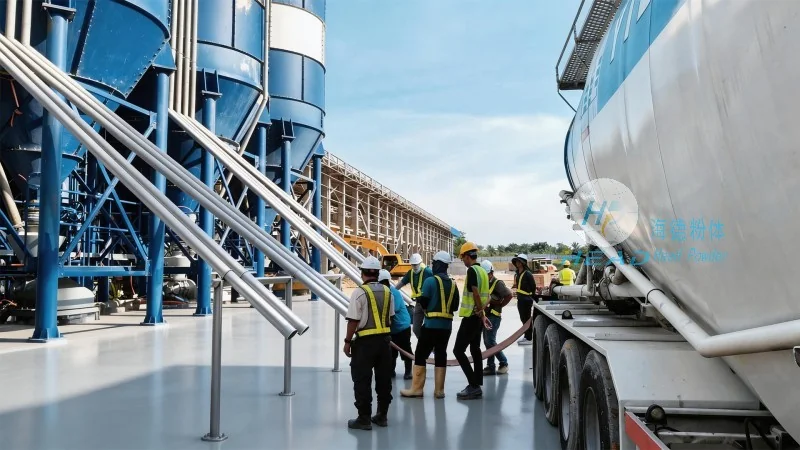
Conclusion and Company Overview
Efficient biomass pellet material handling equipment is essential for optimizing biomass processing operations and ensuring the reliable supply of biomass pellets as a renewable energy source. The design principles and components discussed above highlight the importance of tailored solutions that address the unique challenges of biomass handling. As a leading provider in the field, Shandong HeadPowder Engineering Co., Ltd. specializes in designing and manufacturing high-quality biomass pellet material handling equipment tailored to the specific needs of its clients. With a focus on durability, efficiency, and safety, HeadPowder's equipment helps businesses enhance their operational performance while contributing to sustainable energy solutions. Located in Shandong, China, HeadPowder leverages its expertise and local resources to deliver innovative solutions that meet the evolving demands of the biomass industry.