

What is Silica Powder Material Handling Equipment? And What Are Its Design Principles?
Silica powder, also known as silicon dioxide (SiO₂), is a widely used industrial material with applications in various sectors including construction, electronics, and pharmaceuticals. The efficient and safe handling of silica powder is crucial for industrial operations, as it requires specialized equipment to manage its properties such as fine particle size, dust generation, and potential health hazards. This article explores the types of equipment used for silica powder material handling and the key design principles that ensure optimal performance and safety.
Understanding Silica Powder and Its Handling Needs
Silica powder is characterized by its fine particle size, typically ranging from a few micrometers to sub-micron levels. This fine structure makes it prone to dust formation and inhalation risks, necessitating dust control measures during handling. Additionally, silica powder can be abrasive and may require equipment with wear-resistant components to prevent degradation over time. The handling process must also consider the material's flowability, which can be influenced by moisture content and particle agglomeration. Proper material handling equipment is essential to maintain product quality, ensure worker safety, and optimize production efficiency.
Core Components of Silica Powder Material Handling Systems
A typical silica powder material handling system consists of several interconnected components designed to transport, store, and process the powder. Key components include:
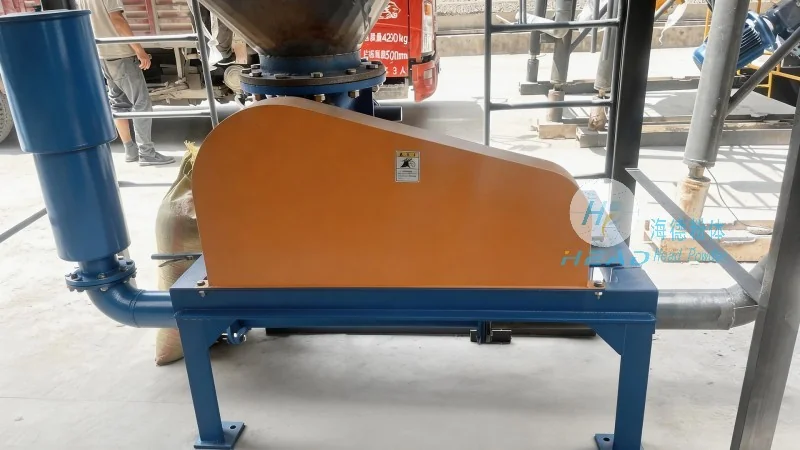
- **Hoppers and Feeders**: These devices are used to store and control the flow of silica powder from storage silos or containers. Hoppers are often designed with conical or rectangular shapes to facilitate uniform material discharge, while feeders such as rotary valves or vibratory feeders regulate the flow rate to downstream equipment.
- **Conveyors**: Conveyors are the primary means of transporting silica powder over long distances. Options include belt conveyors, screw conveyors, and pneumatic conveying systems. Belt conveyors are suitable for bulk material transport over horizontal or slight inclines, while screw conveyors are ideal for vertical or inclined transport due to their ability to handle fine powders without clogging.
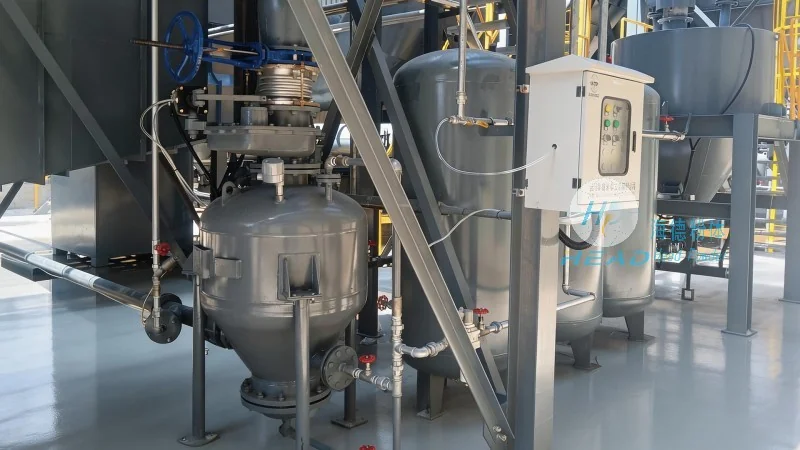
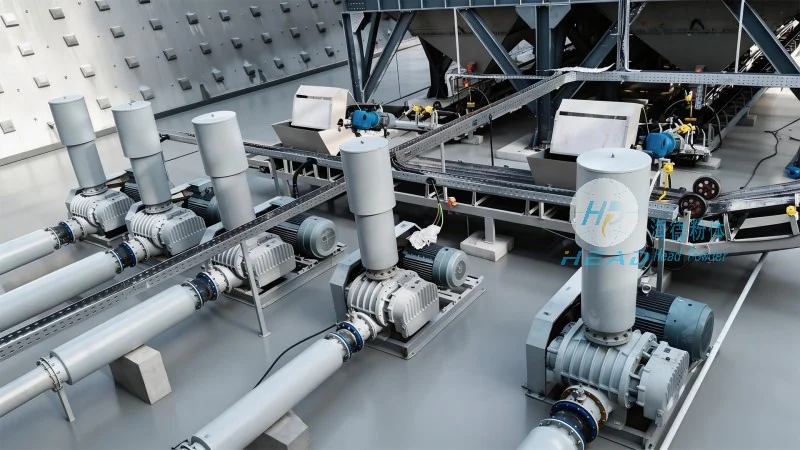
- **Pneumatic Conveying Systems**: For high-purity applications or where dust containment is critical, pneumatic conveying systems use air to transport silica powder through pipes. These systems can be classified as pressure or vacuum types, with pressure systems suitable for short to medium distances and vacuum systems for longer distances or when material needs to be returned to a source.
- **Dust Control Equipment**: Given the health risks associated with silica dust, dust control is a critical component. This includes dust collectors, filtration systems, and enclosure designs that minimize dust release. High-efficiency particulate air (HEPA) filters and cyclone separators are commonly used to capture and remove fine particles from the air.
Design Principles for Efficient Silica Powder Transport
The design of silica powder material handling equipment follows several key principles to ensure efficiency, safety, and durability:
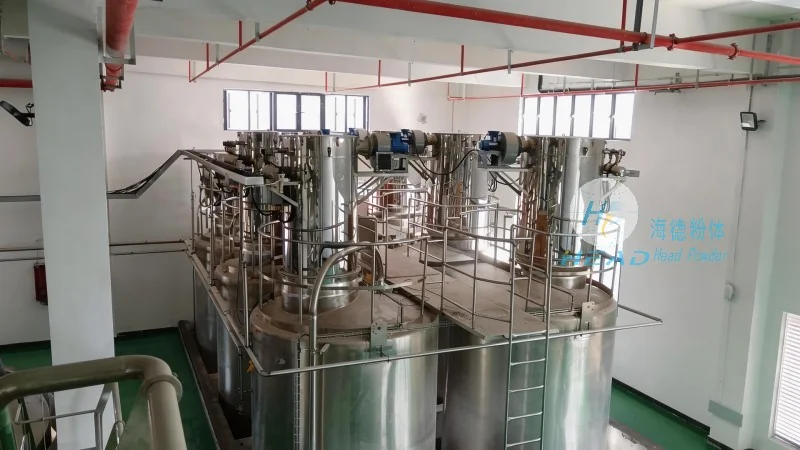
- **Material Compatibility**: Equipment components must be compatible with silica powder to prevent corrosion or wear. Materials such as stainless steel, special alloys, or wear-resistant coatings are used to withstand the abrasive nature of the powder.
- **Flow Control**: Proper design of hoppers and feeders ensures that silica powder flows uniformly without bridging or rat-holing. This involves selecting appropriate hopper angles and using anti-bridging devices to maintain consistent material flow.
- **Dust Suppression**: Design incorporates features to minimize dust generation, such as enclosed systems, sealing mechanisms, and dust collection systems. This not only protects workers but also maintains product purity by preventing contamination from external sources.
- **Energy Efficiency**: Modern designs focus on reducing energy consumption through optimized conveyor speeds, efficient pneumatic systems, and minimal friction in moving parts. This improves operational costs and sustainability.
- **Safety and Compliance**: Equipment must comply with industrial safety standards and regulations regarding dust exposure limits. Features such as explosion-proof designs, emergency stop mechanisms, and proper ventilation are integrated to ensure safe operation.
Application Scenarios and Industry Relevance
Silica powder material handling equipment is widely used in various industries where silica is a key component. In the construction industry, silica is used in cement, concrete, and insulation materials, requiring equipment to transport it from storage to mixing plants. In the electronics industry, high-purity silica is used in semiconductor manufacturing, where contamination control is critical. The pharmaceutical industry also uses silica as an excipient, and specialized equipment ensures that the powder is handled in a sterile and dust-free environment. Each application may require tailored equipment designs to meet specific purity, flowability, and safety requirements.
Company Profile: Shandong HeadPowder Engineering Co., Ltd.
Shandong HeadPowder Engineering Co., Ltd. is a leading manufacturer specializing in the design and production of silica powder material handling equipment. With a strong presence in China, the company has established itself as a trusted provider of industrial solutions for silica powder handling. The company's products are engineered to meet the unique challenges of silica powder, including fine particle size, dust generation, and abrasive properties. Shandong HeadPowder Engineering Co., Ltd. combines advanced engineering, quality materials, and rigorous testing to deliver reliable and efficient equipment that enhances operational performance and safety for its clients.