

What is a Dry Powder Material Conveying Line? And What Are Its Design Principles?
For industries dealing with dry powders, the efficiency and reliability of material handling systems are critical. A dry powder material conveying line, also known as a dry powder transport system, is a specialized equipment setup designed to move bulk dry powders from one location to another. This system is essential for processes in sectors such as construction, pharmaceuticals, food processing, and chemical manufacturing, where precise and controlled movement of powders is required to maintain product quality and operational safety.
Introduction to Dry Powder Material Conveying Lines
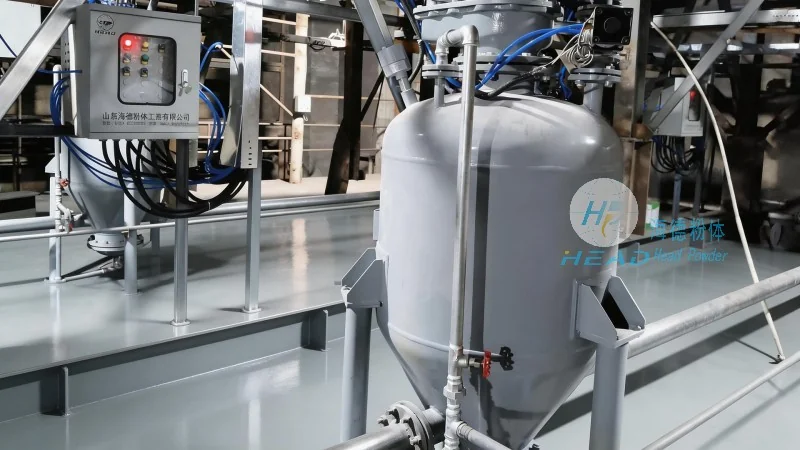
A dry powder material conveying line typically consists of several key components, including a hopper for material storage, a conveyor system (such as a screw conveyor, pneumatic conveyor, or belt conveyor), and control mechanisms to regulate the flow of material. The design of these lines is tailored to the specific characteristics of the powder being handled, such as particle size, moisture content, and flowability. This ensures that the conveying process is efficient, minimizes material degradation, and prevents issues like clogging or dust generation.
Design Principles of Dry Powder Material Conveying Lines
The design principles for dry powder material conveying lines focus on optimizing material flow, maintaining product integrity, and ensuring operational safety. Key design considerations include:
1. **Material Compatibility**: The materials used in the conveying line, including hoppers, pipes, and valves, must be compatible with the dry powder being transported. This prevents contamination and corrosion, which can affect the quality of the powder and the longevity of the equipment.
2. **Flow Control**: Proper design of the hopper and conveyor system ensures that the powder flows smoothly without bridging or rat-holing. This is achieved through features like cone-shaped hoppers, vibration devices, and air-assist mechanisms that help maintain consistent flow rates.
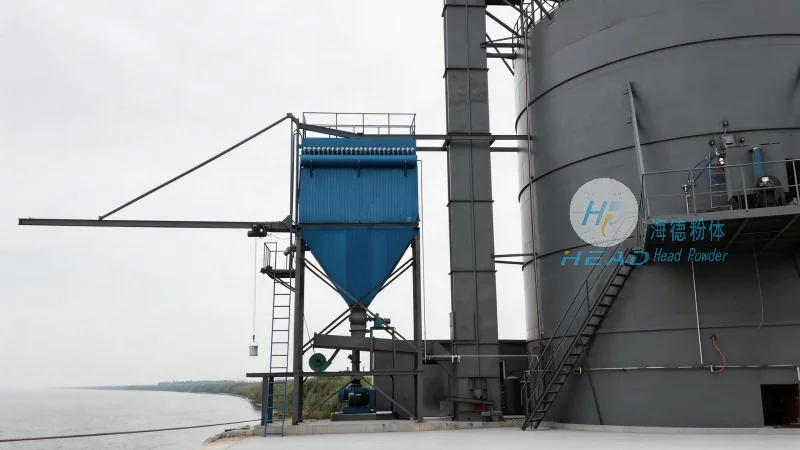
3. **Dust Control**: Effective dust suppression is a critical design aspect, as dry powders can create airborne dust that poses health and safety risks. Conveying lines often incorporate dust collection systems, sealed enclosures, and anti-static measures to minimize dust emissions.
4. **Energy Efficiency**: Modern designs aim to minimize energy consumption while maintaining high conveying rates. This includes using efficient motors, variable speed drives, and optimized conveyor designs that reduce friction and power loss.
Components and Functionality of the Conveying System
The core components of a dry powder material conveying line work in tandem to achieve effective material transport. The primary components include:
1. **Storage Hopper**: The hopper is the initial container where the dry powder is stored before being conveyed. It is designed to hold the bulk material and feed it into the conveyor system at a controlled rate. The shape and size of the hopper are critical to prevent material bridging and ensure uniform flow.
2. **Conveyor Mechanism**: This is the heart of the conveying line, responsible for moving the powder from the hopper to the discharge point. Common types include screw conveyors, which use a rotating screw to push the material forward; pneumatic conveyors, which use air pressure to transport the powder through pipes; and belt conveyors, which use a moving belt to carry the material. The choice of conveyor type depends on factors like the powder's properties, distance to be covered, and required flow rate.
3. **Control and Monitoring Systems**: These systems regulate the operation of the conveying line, ensuring that the flow rate, pressure, and other parameters are maintained within optimal ranges. Sensors and control panels allow operators to monitor the system in real-time and make adjustments as needed to prevent issues like overloading or under-conveying.
Applications and Benefits of Dry Powder Material Conveying Lines
Dry powder material conveying lines are widely used across various industries due to their versatility and efficiency. Some common applications include:
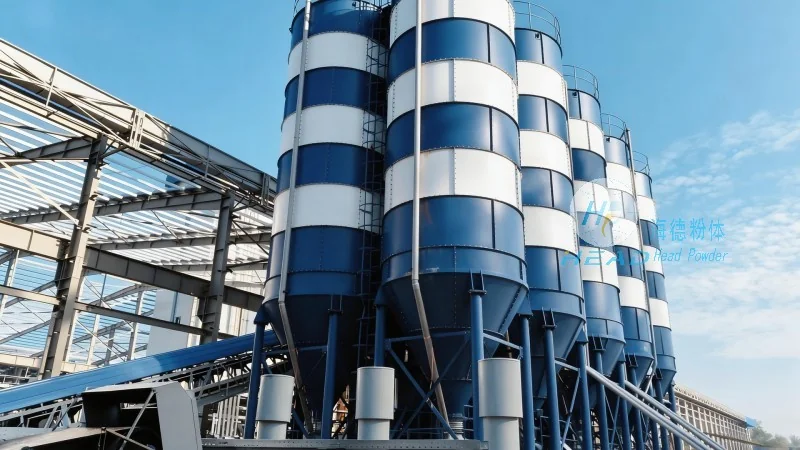
1. **Construction Materials**: In the production of cement, concrete, and other building materials, conveying lines are used to transport raw powders and finished products from storage to processing or packaging areas.
2. **Pharmaceuticals**: The pharmaceutical industry requires strict control over powder handling to maintain product purity and prevent contamination. Conveying lines are used to move active ingredients, excipients, and finished drug powders with precision.
3. **Food Processing**: For food products like flour, sugar, and spices, conveying lines ensure hygienic and efficient movement of dry ingredients during production and packaging.
4. **Chemical Manufacturing**: In chemical plants, conveying lines are used to transport raw chemicals and intermediate powders, supporting processes like mixing, drying, and packaging.
By leveraging the design principles and components discussed, dry powder material conveying lines provide significant benefits, including improved operational efficiency, reduced labor costs, enhanced product quality, and increased safety in material handling.
About Shandong HeadPowder Engineering Co., Ltd.
Shandong HeadPowder Engineering Co., Ltd., commonly known as headpowder, is a leading manufacturer specializing in the design, development, and installation of dry powder material conveying systems. With a focus on innovation and customer-centric solutions, the company has built a reputation for delivering high-quality, reliable equipment tailored to the unique needs of various industries. HeadPowder's facilities are located in Shandong, China, where the company leverages advanced technology and skilled engineering expertise to meet the evolving demands of the material handling sector.