

What is a Calcined Ash Material Conveying Line? What are its Design Principles?
Calcined ash material conveying lines are specialized industrial systems engineered to transport calcined ash, a byproduct commonly generated in power plants and other industrial facilities. These systems play a crucial role in the efficient handling and management of ash materials, ensuring safe and reliable movement from the point of generation to disposal or further processing. Understanding the components and design principles of such conveying lines is essential for optimizing operational efficiency and maintaining compliance with environmental and safety standards.
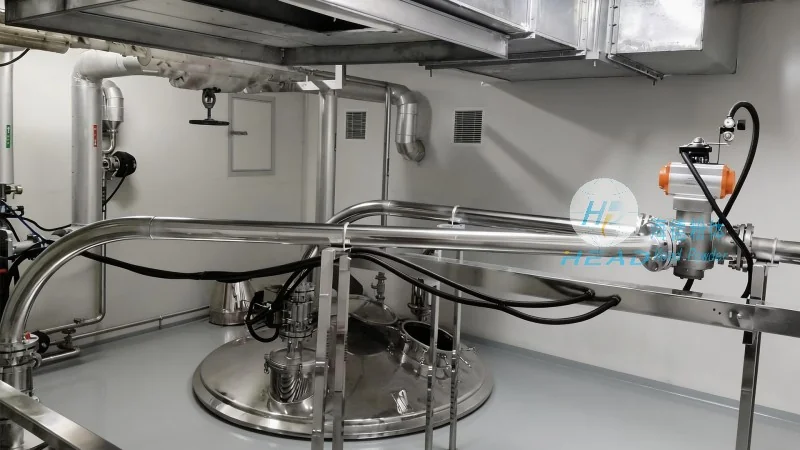
Introduction to Calcined Ash Material Conveying Lines
Calcined ash, also known as fly ash or bottom ash after thermal treatment, presents unique challenges in material handling due to its physical properties. These challenges include high temperature, variable moisture content, and abrasive characteristics. A calcined ash material conveying line is designed to address these challenges by integrating robust components that can withstand the harsh conditions while ensuring consistent and controlled material transport. The system typically consists of feeders, conveyors, and control mechanisms, all tailored to the specific characteristics of calcined ash. By leveraging advanced engineering and material science, these conveying lines enable industries to streamline their ash management processes, reducing downtime and operational costs.
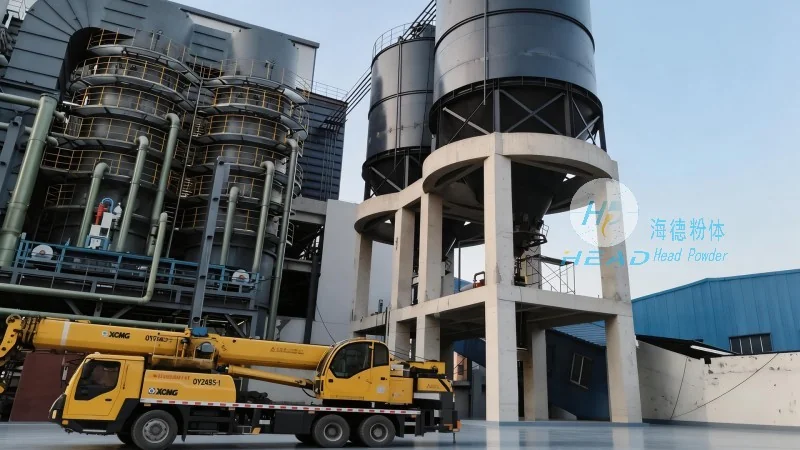
Design Principles of Calcined Ash Material Conveying Lines
The design of a calcined ash material conveying line is guided by several key principles that prioritize functionality, durability, and safety. First, the system must be capable of handling the thermal and mechanical stresses associated with calcined ash. This involves selecting materials for components such as hoppers, chutes, and conveyor belts that can resist high temperatures and abrasion. For instance, heat-resistant alloys or specialized coatings may be applied to conveyor surfaces to prevent wear and tear from the abrasive ash particles. Second, the design must accommodate the variable properties of calcined ash, including differences in particle size, moisture content, and flowability. Adjustable feed mechanisms and variable speed drives are often incorporated to maintain consistent material flow, preventing blockages or uneven distribution. Third, safety and environmental considerations are paramount. The conveying line is designed to minimize dust emissions and prevent the release of hazardous materials into the environment. This may involve sealing systems, dust collection units, and explosion-proof components to protect both personnel and the surrounding environment. Additionally, the system is engineered for easy maintenance and inspection, with accessible components and monitoring systems that allow operators to detect and address issues promptly.
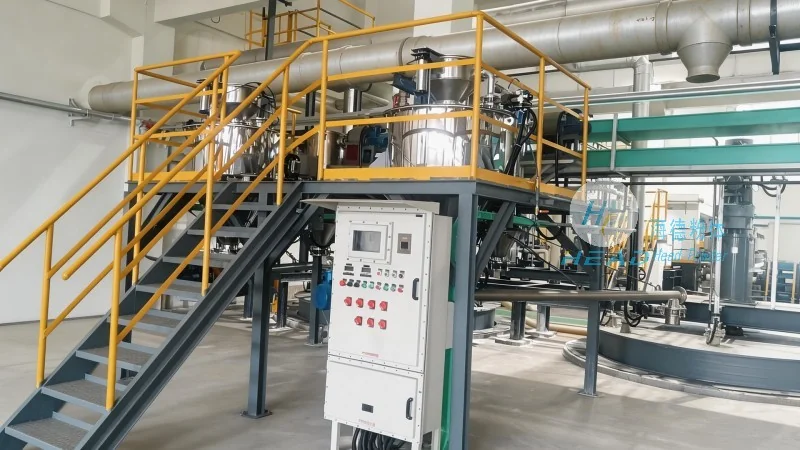
Components and Functionality of the Conveying Line
A typical calcined ash material conveying line comprises several interconnected components, each serving a specific function in the material transport process. The primary components include the ash hopper, which collects and stores the calcined ash before it is fed into the conveying system. The hopper is designed with a sloped bottom to facilitate the flow of ash into the feeder, which may be a rotary or vibratory type. The feeder regulates the rate of ash discharge, ensuring a steady and controlled supply to the conveyor. The conveyor itself, often a belt or screw conveyor, transports the ash from the hopper to the discharge point. Belt conveyors are commonly used for long-distance transport due to their ability to handle large volumes and maintain consistent speed. Screw conveyors are preferred for vertical or inclined transport, as they can handle more abrasive materials and provide better control over material flow. The discharge section of the line may include a chute or a discharge hopper that directs the ash to its final destination, such as a storage silo or a disposal site. Control systems, including sensors and programmable logic controllers (PLCs), monitor the entire process, adjusting parameters like speed and feed rate based on real-time conditions. This integration of components ensures that the conveying line operates efficiently and reliably, minimizing the risk of system failures or material loss.
Applications and Benefits in Industrial Settings
Calcined ash material conveying lines are widely used in various industrial applications, particularly in the power generation sector. In coal-fired power plants, for example, these systems are essential for transporting fly ash from the boiler to storage facilities or for reusing the ash in cement production. The efficiency of the conveying line directly impacts the overall operational performance of the power plant, as delays in ash transport can lead to increased ash accumulation and potential safety hazards. In other industrial facilities, such as cement plants or steel mills, calcined ash is often used as a raw material or a supplementary cementitious material. The conveying line ensures that the ash is delivered to the processing units in a controlled manner, maintaining the quality and consistency of the final product. The benefits of using a well-designed calcined ash material conveying line extend beyond operational efficiency. These systems contribute to improved safety by reducing the need for manual handling of hot and heavy ash materials. They also enhance environmental compliance by minimizing dust emissions and preventing the release of ash into the environment. Additionally, the reliability of the conveying line reduces maintenance costs and downtime, allowing industries to achieve higher productivity and profitability.
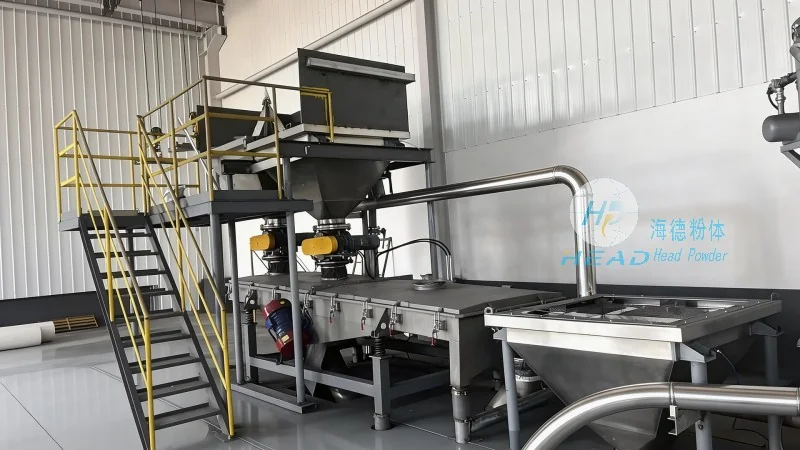
HeadPowder Engineering: Expertise in Calcined Ash Conveying Solutions
Shandong HeadPowder Engineering Co., Ltd., a leading provider of industrial material handling solutions, specializes in the design, manufacturing, and installation of calcined ash material conveying lines. With years of experience in the industry, HeadPowder has developed a reputation for delivering high-quality, customized solutions that meet the unique needs of its clients. The company's engineering team leverages advanced technology and rigorous testing to ensure that each conveying line is optimized for the specific characteristics of calcined ash. HeadPowder's products are designed to withstand the harsh conditions of ash handling, with durable materials and robust construction that provide long-term reliability. The company also offers comprehensive after-sales support, including maintenance services and technical assistance, to ensure that clients can maximize the performance of their conveying lines. HeadPowder's commitment to quality and customer satisfaction has made it a trusted partner for industries seeking efficient and reliable calcined ash handling solutions. Located in Shandong, China, HeadPowder continues to innovate and advance the technology of material conveying systems, helping clients achieve their operational goals while maintaining environmental and safety standards.