

What is a Fly Ash Material Conveying Line? And What Are Its Design Principles?
Understanding the role and design of fly ash material conveying lines is crucial for industries dealing with the handling and transportation of this byproduct. This article provides an in-depth look at what these systems are and the fundamental design principles that govern their operation.
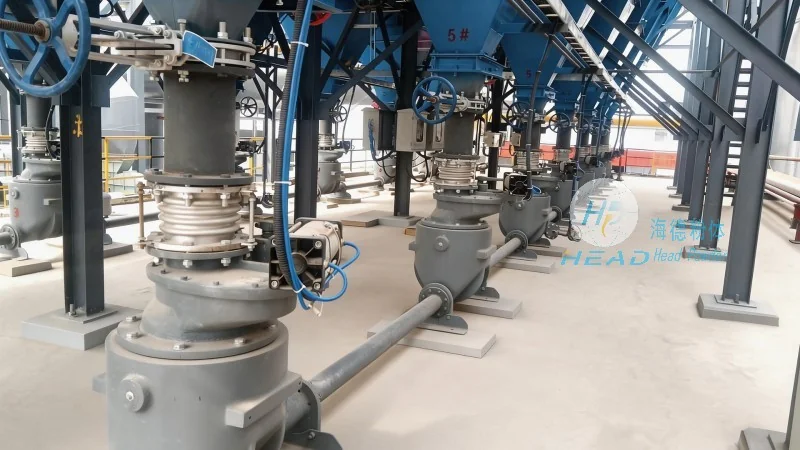
What is a Fly Ash Material Conveying Line?
A fly ash material conveying line is a specialized system engineered to transport fly ash, a fine powder produced as a byproduct from coal combustion in thermal power plants. These lines are essential for moving the ash from its generation point to disposal or utilization sites. The system typically comprises components such as hoppers, feeders, conveyors (like belt conveyors or pneumatic systems), and control mechanisms to ensure efficient and safe transport. The primary goal is to handle the abrasive and potentially hazardous nature of fly ash while minimizing dust emissions and operational risks.
Key Components of Fly Ash Conveying Systems
The effectiveness of a fly ash material conveying line depends on its integrated components, each serving a specific function in the material handling process. Key components include:
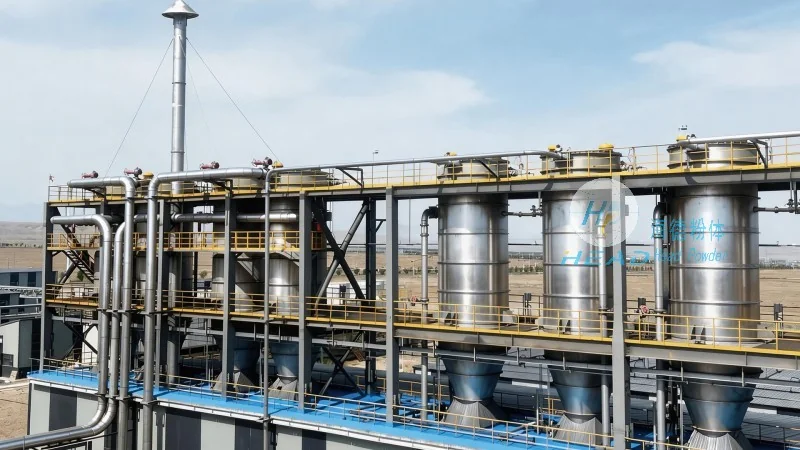
- Hoppers and Feeders: These devices collect and regulate the flow of fly ash from storage or generation areas. Hoppers are designed to contain the material and direct it into the conveyor system, while feeders ensure a consistent and controlled feed rate to prevent blockages or overloading.
- Conveyors: The core of the conveying line, conveyors transport fly ash over long distances. Common types include belt conveyors, which are suitable for bulk material transport, and pneumatic conveying systems, which use air pressure to move the fine powder through pipes. The choice of conveyor type depends on factors like distance, material characteristics, and environmental considerations.
- Control Systems: Advanced control systems monitor and regulate the operation of the conveying line. These systems ensure proper speed, pressure, and flow rates, and can detect and respond to issues such as blockages or equipment malfunctions. Automation enhances efficiency and safety by minimizing human intervention in potentially hazardous environments.
Design Principles for Efficient Fly Ash Conveying
The design of a fly ash material conveying line is guided by several critical principles aimed at optimizing performance, safety, and cost-effectiveness. These principles include:
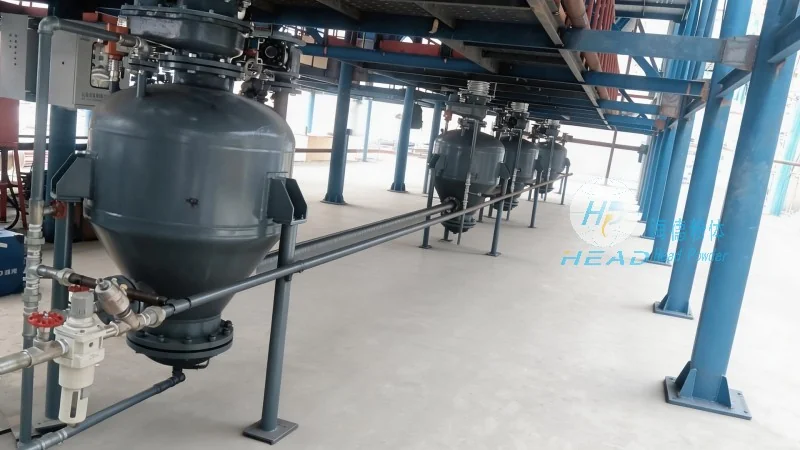
- Material Handling Efficiency: The system is designed to minimize material degradation and loss during transport. This involves selecting appropriate equipment and maintaining proper operating conditions to prevent dust generation and material breakdown.
- Environmental Compliance: Modern conveying lines incorporate dust control measures, such as enclosed systems and filtration, to comply with environmental regulations. The design prioritizes reducing emissions and ensuring the system operates within permissible limits.
- Safety and Reliability: The design emphasizes safety by incorporating features like emergency stop mechanisms, material flow monitoring, and robust construction to withstand the abrasive nature of fly ash. Reliability is ensured through durable components and regular maintenance protocols.
- Economic Viability: The system is optimized for cost-effectiveness, balancing initial investment with long-term operational costs. This includes selecting equipment that offers a good return on investment and minimizing downtime through efficient design and maintenance.
HeadPowder: Expert in Fly Ash Material Conveying Solutions
Shandong HeadPowder Engineering Co., Ltd., commonly known as HeadPowder, is a leading provider of customized fly ash material conveying systems. With operations based in Shandong, China, HeadPowder specializes in designing and manufacturing solutions tailored to the unique needs of power plants and industrial facilities. The company’s expertise lies in integrating advanced technology with practical engineering to deliver efficient, reliable, and environmentally compliant conveying lines.
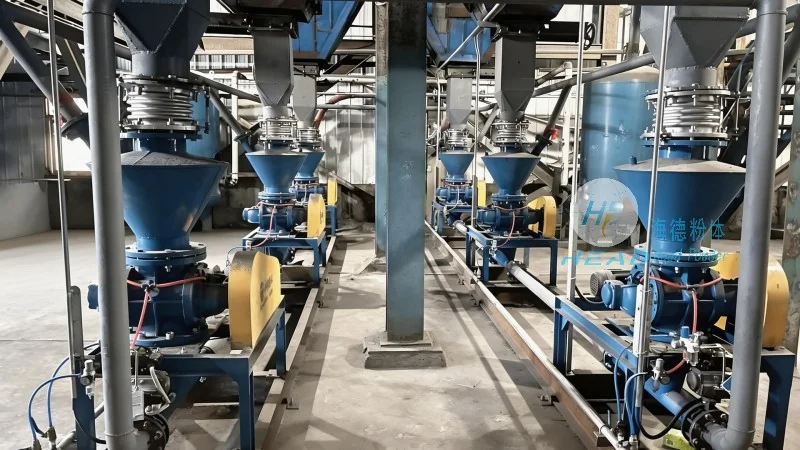
HeadPowder’s team of engineers and technicians work closely with clients to understand their specific requirements, from the volume of fly ash to the distance it needs to be transported. By leveraging years of experience in the industry, HeadPowder develops customized solutions that meet both operational and regulatory standards. The company’s commitment to quality and innovation ensures that its conveying lines are built to last, providing long-term value and performance.
Conclusion: The Importance of Well-Designed Fly Ash Conveying Lines
In conclusion, fly ash material conveying lines are essential infrastructure for industries dealing with coal combustion byproducts. The design principles and components discussed above are critical to ensuring the efficient, safe, and environmentally responsible handling of fly ash. Companies like Shandong HeadPowder Engineering Co., Ltd. play a vital role in providing the expertise and technology needed to implement these systems effectively. By adhering to best practices in design and operation, industries can maximize the benefits of fly ash utilization while minimizing associated risks.