

What is a Potassium Fertilizer Material Conveying Line? What are its Design Principles?
When it comes to the efficient handling and transportation of potassium fertilizer materials, specialized equipment is essential for optimizing industrial processes. This article delves into the concept of a potassium fertilizer material conveying line, exploring its fundamental design principles and the key factors that contribute to its effectiveness in the fertilizer production and distribution sector.
What is a Potassium Fertilizer Material Conveying Line?
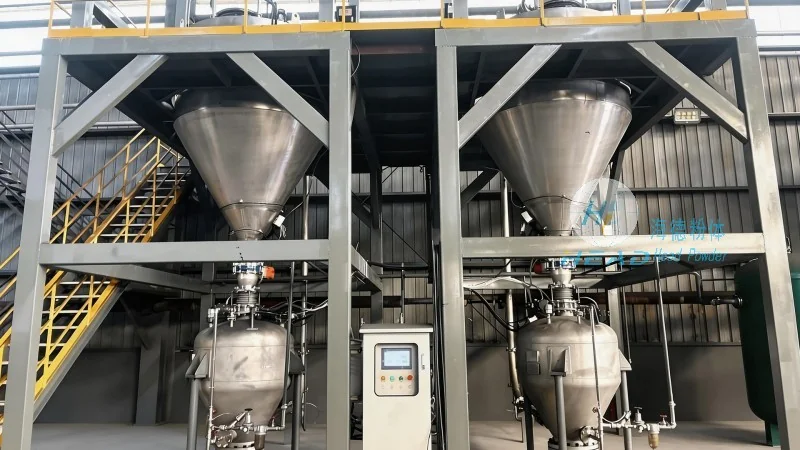
A potassium fertilizer material conveying line is a comprehensive system engineered to transport bulk potassium fertilizer materials from one point to another within a production facility or between different stages of processing. These systems are critical in fertilizer manufacturing, as they ensure the smooth flow of raw materials, intermediate products, and finished goods while maintaining high operational efficiency and safety standards. The line typically integrates various components such as feeders, conveyors, elevators, and storage silos, all working in tandem to achieve seamless material handling.
Key Design Principles of Potassium Fertilizer Conveying Systems
The design of a potassium fertilizer material conveying line is governed by several critical principles that ensure optimal performance, durability, and safety. First and foremost, the system must be tailored to the specific physical and chemical properties of potassium fertilizer, which can vary significantly based on the type of fertilizer (e.g., muriate of potash, potassium sulfate) and its moisture content. This requires careful consideration of material flow characteristics, such as bulk density, angle of repose, and abrasiveness, to prevent issues like blockages, material degradation, or equipment wear.
Second, the conveying line must prioritize operational efficiency and reliability. This involves selecting appropriate conveyor types—such as belt conveyors, screw conveyors, or pneumatic systems—based on the material's characteristics and the required conveying distance. For example, belt conveyors are commonly used for horizontal or slight incline transport due to their ability to handle large volumes with minimal maintenance, while screw conveyors excel in vertical lifting or when space is limited, as they can handle materials with higher moisture content or fine particles. The system's design also includes features like variable speed drives, which allow for precise control of material flow rates, and sensors for monitoring levels and detecting blockages, enhancing overall process control.
Third, safety and environmental considerations are paramount in the design of these systems. Potassium fertilizers can be dusty or produce fine particles, posing inhalation risks and requiring dust suppression measures. The conveying line is often equipped with dust collection systems, sealed hoppers, and explosion-proof components to mitigate these hazards. Additionally, the system must comply with industrial safety regulations, including proper grounding to prevent static buildup and secure guarding of moving parts to protect operators.
Components and Functionality of a Typical Conveying Line
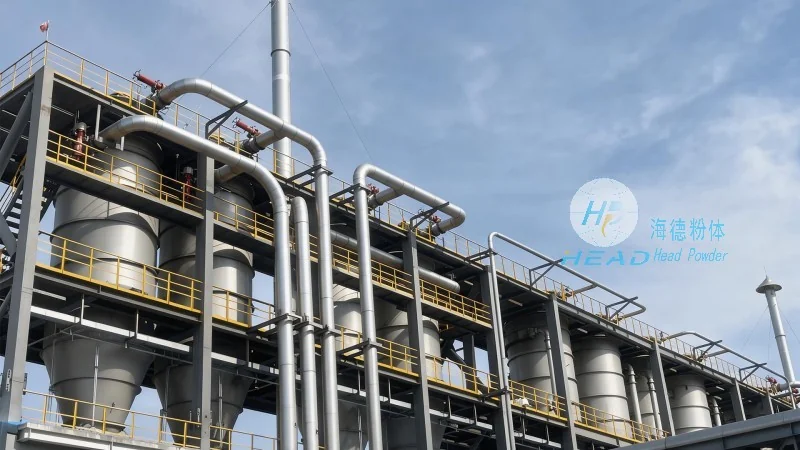
A standard potassium fertilizer material conveying line consists of several interconnected components, each with a specific role in the material handling process. The primary components include:
1. Feeders: These devices regulate the flow of material from storage silos or hoppers into the conveyor system. Feeders such as rotary valves or vibratory feeders ensure a consistent feed rate, preventing overloading or underloading of the conveyor, which can lead to inefficiencies or equipment damage.
2. Conveyors: The heart of the system, conveyors transport the fertilizer material through the line. Belt conveyors are widely used for horizontal transport due to their high capacity and low maintenance. Screw conveyors are ideal for vertical lifting or when space is limited, as they can handle materials with higher moisture content or fine particles. Pneumatic conveyors, or air slides, are employed for dust-free transport, especially in applications where hygiene and product purity are critical.
3. Elevators: For vertical transport, elevators such as bucket elevators or chain conveyors are used to lift the fertilizer from lower to higher levels. These components are designed to handle the vertical movement of bulk materials efficiently, often with enclosed housing to prevent dust dispersion.
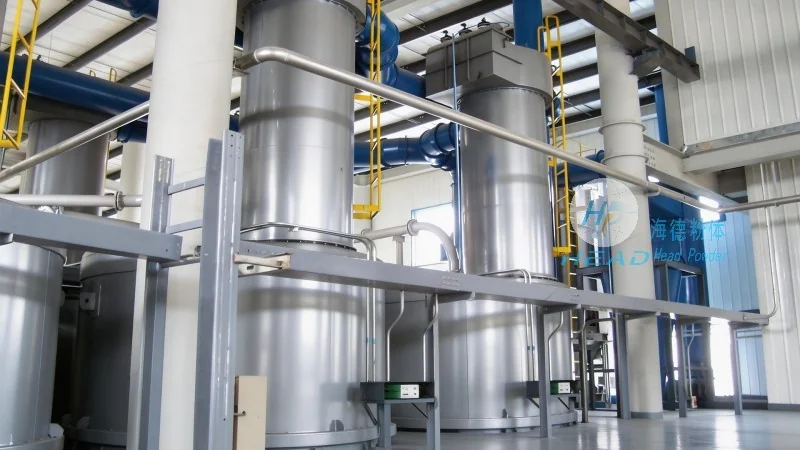
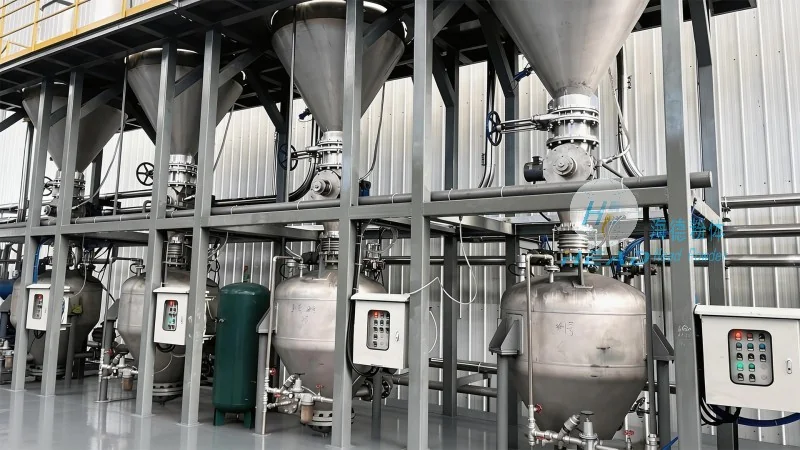
4. Storage Silos and Hoppers: These structures store the raw potassium fertilizer before it is fed into the conveying line. Silos are typically made of steel or concrete and are equipped with level indicators and discharge gates to control the flow of material. Hoppers are used to collect and prepare the material for feeding, often with agitators to prevent material bridging or caking.
5. Control Systems: Modern conveying lines are integrated with advanced control systems that monitor and regulate the entire process. These systems include sensors for detecting material levels, flow rates, and temperature, as well as programmable logic controllers (PLCs) that adjust conveyor speeds, feeder settings, and other parameters in real-time. This automation ensures consistent performance and reduces the need for manual intervention.
Applications and Benefits of Potassium Fertilizer Conveying Lines
Potassium fertilizer material conveying lines are widely used in various stages of the fertilizer production process, from raw material handling to finished product packaging. In the raw material stage, the line transports mined or manufactured potassium salts into processing facilities. During intermediate processing, it moves the material through crushing, grinding, and blending operations. Finally, in the final packaging stage, the line delivers the finished fertilizer to storage silos or loading areas for distribution.
The benefits of implementing an efficient conveying line are multifaceted. Firstly, it significantly improves operational efficiency by reducing downtime and increasing throughput. By automating the material handling process, companies can achieve higher production rates while minimizing labor costs. Secondly, it enhances product quality by ensuring consistent material flow and preventing contamination or degradation. The sealed and controlled environment of the conveying line helps maintain the purity and quality of the fertilizer, which is crucial for meeting regulatory standards and customer expectations.
Thirdly, the design of these systems contributes to cost savings and environmental sustainability. By optimizing material transport, companies reduce energy consumption and operational costs. The use of dust suppression systems and sealed components minimizes environmental impact, complying with environmental regulations and promoting a safer working environment. Additionally, the durability of well-designed conveying lines reduces maintenance costs over their lifespan, providing long-term economic benefits.
Case Study: Shandong HeadPowder Engineering Co., Ltd.
Shandong HeadPowder Engineering Co., Ltd., a leading manufacturer of fertilizer processing equipment, specializes in designing and manufacturing customized potassium fertilizer material conveying lines tailored to the specific needs of their clients. With years of experience in the industry, HeadPowder has developed a reputation for delivering high-quality, reliable systems that meet the stringent requirements of modern fertilizer production.
The company's approach to design emphasizes the integration of advanced technology with practical application. Their engineers work closely with clients to understand their production processes, material characteristics, and operational goals, ensuring that the conveying line is optimized for maximum efficiency and minimal downtime. For example, HeadPowder has designed systems for handling muriate of potash (MOP), a common potassium fertilizer, that incorporate dust collection systems and variable speed drives to maintain consistent flow rates and prevent material buildup.
HeadPowder's facilities are located in Shandong, China, where the company leverages local expertise and resources to provide comprehensive support to its clients. The company's commitment to quality is reflected in its adherence to international standards and rigorous testing protocols for all equipment. By partnering with HeadPowder, fertilizer manufacturers can benefit from tailored solutions that enhance their production capabilities and improve overall operational performance.