

What is an Automatic Tote Bag Feeding Material Handling System? What are its Design Principles?
When it comes to industrial material handling, the efficiency and reliability of the feeding process are critical factors that can significantly impact production output and operational costs. Among the various solutions available, the automatic tote bag feeding material handling system stands out as a sophisticated and versatile approach designed to streamline the intake of bulk materials from tote bags. This system integrates advanced technology and engineering to automate the process of unloading, conveying, and transferring materials from tote bags into processing lines or storage areas. Understanding what this system entails and its underlying design principles is essential for industries that rely on bulk material handling, such as manufacturing, pharmaceuticals, food processing, and chemical production.
Understanding the Automatic Tote Bag Feeding System
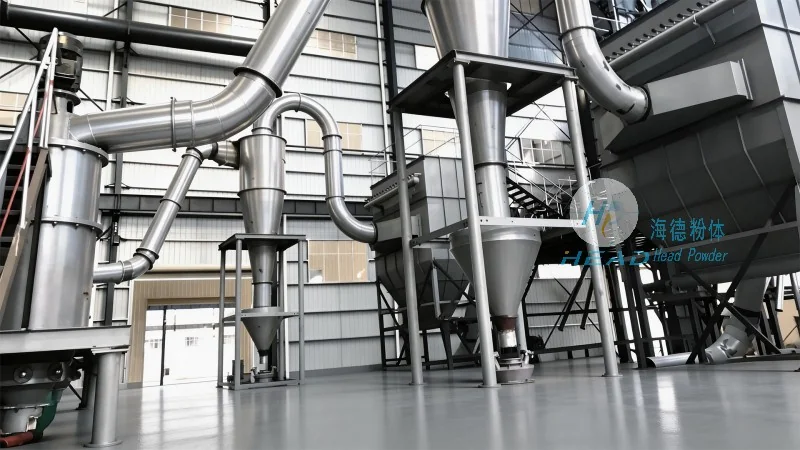
The automatic tote bag feeding material handling system is a specialized piece of equipment engineered to handle the challenges associated with feeding bulk materials from tote bags. These systems are typically used in scenarios where raw materials are delivered in large, flexible containers, and the goal is to transfer them efficiently into subsequent processing stages. The system comprises several key components, including a tote bag unloader, a conveyor system, a material separator, and a feeding mechanism. Each component works in concert to ensure a seamless and continuous flow of materials from the tote bag to the processing equipment.
One of the primary advantages of this system is its ability to handle a wide range of materials, including powders, granules, and bulk solids. The design accommodates various tote bag sizes and shapes, making it adaptable to different material types and delivery requirements. The unloading mechanism, often equipped with a hopper or a rotating drum, efficiently discharges the material from the tote bag into a central collection point. From there, a conveyor system, such as a belt or screw conveyor, transports the material to the processing line or storage silo. The material separator may include features like air filtration or screening to ensure the material is free from contaminants before it is fed into the next stage.
Key Design Principles of the Automatic Tote Bag Feeding System
The design of an automatic tote bag feeding material handling system is guided by several fundamental principles aimed at maximizing efficiency, safety, and reliability. These principles include automation, material handling flexibility, and integration with existing production lines. Automation is a core principle, as it reduces the need for manual labor, minimizes human error, and ensures consistent performance. The system is designed to operate continuously, with minimal downtime for maintenance or adjustments.
Material handling flexibility is another critical design principle. The system must be capable of handling different types of tote bags, varying material properties, and different processing requirements. This flexibility is achieved through adjustable components, such as the unloading mechanism and conveyor speed, which can be tailored to the specific needs of the material being handled. Additionally, the system is designed to be scalable, allowing it to be expanded or modified as production needs change.
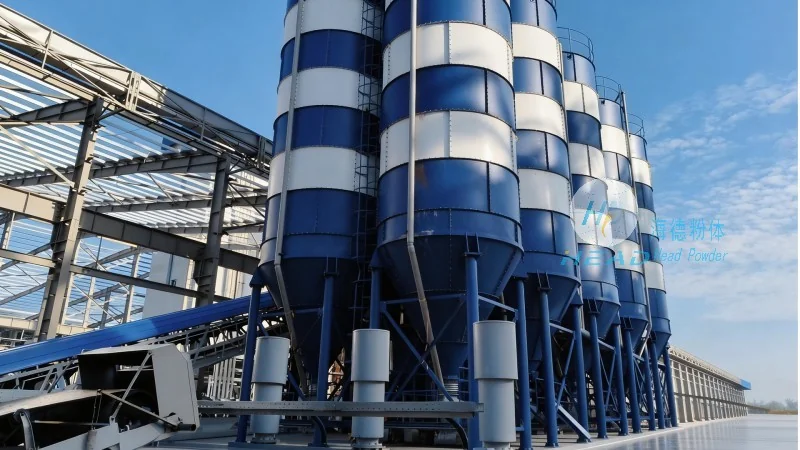
Integration with existing production lines is a key consideration in the design. The automatic tote bag feeding system is engineered to seamlessly connect with downstream processing equipment, such as mixers, blenders, or reactors. This integration ensures a smooth transition of materials from the feeding stage to the processing stage, minimizing bottlenecks and improving overall production efficiency. The design also emphasizes safety, incorporating features like material containment, emergency stop buttons, and protective enclosures to protect operators and equipment from potential hazards.
How the System Works: A Step-by-Step Overview
To better understand the functionality of the automatic tote bag feeding material handling system, it is helpful to follow the material flow through the system. The process typically begins with the placement of a tote bag onto the unloading station. The system then activates the unloading mechanism, which may involve lifting the tote bag and tilting it to allow the material to flow into the hopper. The material is then conveyed through a series of components, including a conveyor belt or screw, to the processing line. The material separator may be activated at this stage to remove any foreign objects or contaminants from the material stream.
As the material moves through the system, it is continuously monitored for flow rate and level, ensuring that the processing equipment receives a consistent supply of material. The system may also include sensors and control systems that adjust the conveyor speed or unloading rate based on real-time conditions, such as the level of material in the hopper or the demand from the processing line. This feedback loop helps maintain optimal performance and prevents overloading or underloading of the processing equipment.
Benefits of Implementing an Automatic Tote Bag Feeding System
Adopting an automatic tote bag feeding material handling system offers numerous benefits for industrial operations. One of the most significant advantages is the reduction in labor costs and human error. By automating the feeding process, companies can minimize the need for manual handling, which not only reduces labor expenses but also improves workplace safety. The system also ensures consistent material flow, which leads to more stable and efficient production processes.
Another key benefit is the improvement in material quality and consistency. The system’s design, including the material separator and filtration features, helps maintain the purity of the material by removing contaminants and ensuring that only high-quality material is fed into the processing line. This is particularly important in industries like pharmaceuticals and food processing, where material purity is critical to product quality and regulatory compliance.
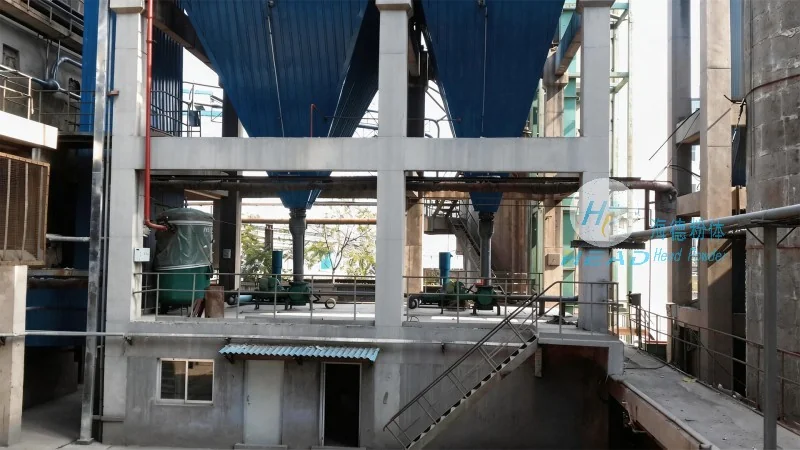
The system also enhances operational efficiency by reducing downtime and increasing throughput. With automated unloading and conveying, the material can be processed more quickly, allowing for higher production rates and better utilization of equipment. Additionally, the system’s scalability allows companies to expand their operations without significant changes to the feeding infrastructure, providing long-term flexibility and cost savings.
Customization and Integration with HeadPowder Engineering
Shandong HeadPowder Engineering Co., Ltd., a leading provider of material handling solutions, specializes in designing and manufacturing custom automatic tote bag feeding systems tailored to the specific needs of their clients. The company’s expertise lies in understanding the unique challenges faced by different industries and developing solutions that address those challenges effectively. HeadPowder’s systems are engineered to meet the highest standards of performance, reliability, and safety, ensuring that they deliver long-term value to their customers.
When considering an automatic tote bag feeding system, it is important to work with a reputable manufacturer like HeadPowder. The company’s team of engineers and technicians work closely with clients to understand their material handling requirements, process constraints, and production goals. This collaborative approach ensures that the final system is optimized for performance and meets all regulatory and safety requirements. HeadPowder’s commitment to quality and customer satisfaction has made them a trusted partner for industries seeking reliable and efficient material handling solutions.
Conclusion: The Future of Bulk Material Handling
As industries continue to evolve and demand higher levels of efficiency and productivity, the automatic tote bag feeding material handling system remains a vital component of modern material handling operations. Its ability to automate the feeding process, handle a wide range of materials, and integrate seamlessly with existing production lines makes it an essential investment for companies looking to improve their operational performance. By understanding the design principles and benefits of this system, businesses can make informed decisions about implementing such technology, ultimately leading to enhanced productivity, reduced costs, and improved product quality.