

What is a Continuous Material Feeding and Conveying System Equipment? What are its Design Principles
Shandong HeadPowder Engineering Co., Ltd., a professional manufacturer based in Shandong, China, specializes in the design and production of material handling equipment. The company focuses on delivering high-quality solutions for industrial material processing, with a particular emphasis on continuous material feeding and conveying systems. These systems are integral to modern manufacturing processes, enabling efficient and reliable material transport across various industries.
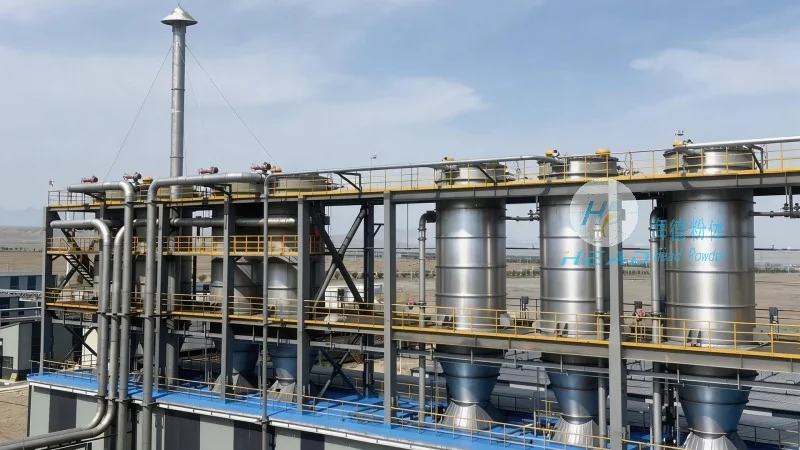
Overview of Continuous Material Feeding and Conveying Systems
A continuous material feeding and conveying system is a specialized industrial device engineered to transport bulk materials in a steady, uninterrupted flow. Unlike batch processing systems, these systems operate continuously, ensuring a consistent supply of materials to downstream processes. The primary purpose is to enhance production efficiency by minimizing downtime and optimizing material handling. Such systems are commonly used in sectors like pharmaceuticals, food processing, and chemical manufacturing, where the consistent feeding of powders, granules, or other bulk materials is critical for maintaining product quality and operational stability.
Core Components and Their Functions
The design of a continuous material feeding and conveying system involves several key components that work in concert to achieve efficient material transport. The main components typically include an inlet hopper or feeder, a conveying mechanism (e.g., screw, belt, or pneumatic system), a control unit, and a discharge outlet. The inlet hopper serves as the material reservoir, often equipped with level sensors and agitators to prevent bridging or clogging. The conveying mechanism is the heart of the system, responsible for moving the material through the system. For instance, a screw conveyor uses rotating screws to push material forward, while a belt conveyor relies on a moving belt to transport the material. The control unit manages the speed and operation of the conveying mechanism, ensuring precise control over the material flow rate. The discharge outlet directs the material to the next stage of the production process, often integrated with a receiving hopper or processing unit.
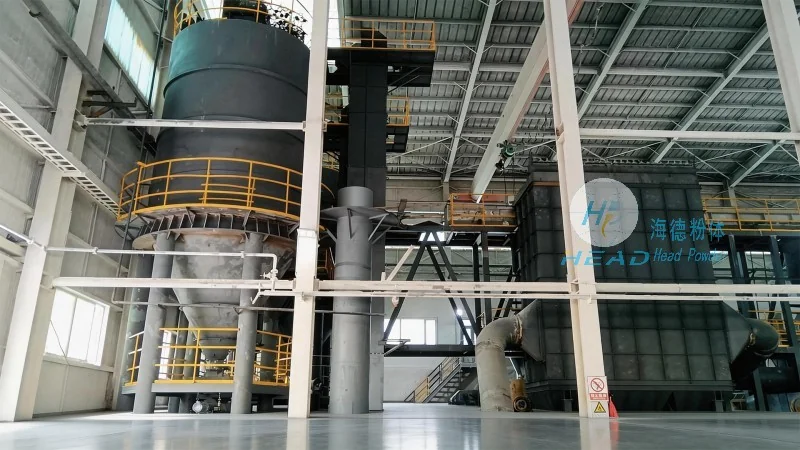
Design Principles for Optimal Performance
The design principles of a continuous material feeding and conveying system prioritize operational efficiency, reliability, and adaptability to material characteristics. Engineers focus on several critical aspects to ensure the system meets industrial requirements. First, the system is tailored to the specific properties of the material being handled, such as density, flowability, and potential for segregation or clogging. For cohesive or sticky materials, specialized feeding mechanisms like vibratory feeders or air classifiers may be incorporated to ensure smooth flow. Second, the system’s structure is optimized to minimize energy consumption and wear. This involves using low-friction materials and designing the conveyor geometry to reduce resistance. Third, safety and hygiene standards are integrated into the design, with features like stainless steel construction, easy-to-clean surfaces, and containment measures to prevent dust or spillage. Additionally, the system incorporates overload protection and emergency stop functions to safeguard both equipment and personnel.
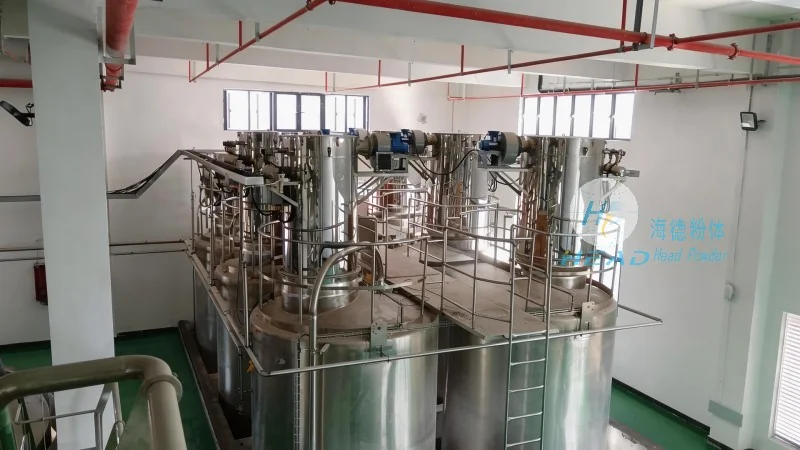
Benefits of Implementing Continuous Feeding Systems
Adopting a continuous material feeding and conveying system offers numerous advantages for industrial operations. One of the most significant benefits is the improvement in production throughput, as the system maintains a constant material flow, reducing delays and increasing output. Additionally, continuous systems enhance process consistency, leading to more uniform product quality by ensuring stable feeding rates. Another key advantage is the reduction in labor costs, as automated systems require minimal manual intervention for feeding and conveying operations. Furthermore, these systems minimize material waste by preventing overfeeding or underfeeding, which can occur with manual or batch systems. Finally, continuous systems contribute to better workplace safety by reducing the need for manual handling of bulk materials, thereby lowering the risk of accidents and injuries.
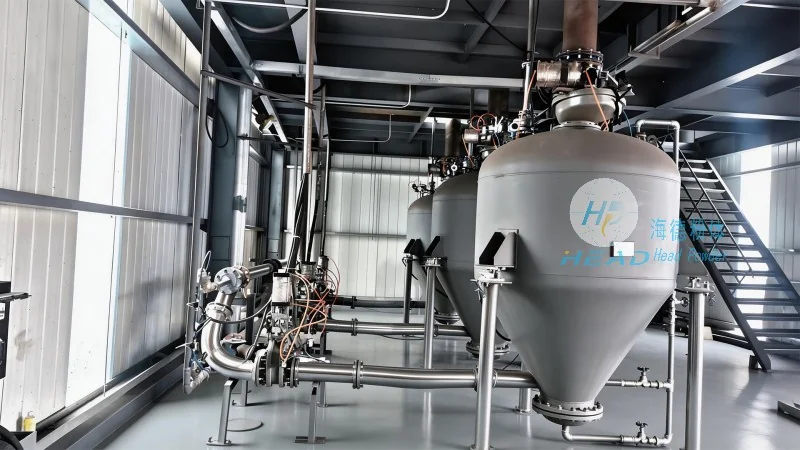
Applications Across Diverse Industries
Continuous material feeding and conveying systems are widely utilized across various industries due to their adaptability and efficiency. In the pharmaceutical industry, these systems are essential for handling active pharmaceutical ingredients (APIs) and excipients, ensuring precise and consistent feeding for tablet and capsule production. The equipment must meet stringent hygiene and contamination control standards, often featuring stainless steel construction and closed-loop designs. In the food processing industry, continuous systems are used for handling ingredients like flour, sugar, and spices, maintaining food safety and quality. The systems are designed to be easy to clean and sanitize, with features like CIP (Clean-in-Place) capabilities. In the chemical industry, these systems handle a wide range of chemicals, from powders to granules, requiring robust construction to withstand corrosive environments. The systems may include special sealing and ventilation features to prevent chemical exposure and ensure worker safety.
Maintenance and Longevity of the Equipment
Proper maintenance is crucial to ensure the long-term performance and reliability of continuous material feeding and conveying systems. Regular maintenance tasks include cleaning the hopper and conveyor components to prevent material buildup and clogging. Lubrication of moving parts, such as bearings and screws, is also vital to reduce wear and extend the equipment's lifespan. Monitoring the system's performance through sensors and data logging helps identify potential issues before they become major problems. Additionally, periodic inspections of the conveyor belt or screw condition can prevent unexpected breakdowns. By following a structured maintenance schedule, manufacturers can ensure that the equipment operates at peak efficiency, minimizing downtime and maximizing productivity. Shandong HeadPowder Engineering Co., Ltd. provides comprehensive maintenance services and spare parts to support their clients' equipment, ensuring that the systems remain in optimal condition throughout their operational life.