

What is a Cotton Material Handling System Equipment? And What Are Its Design Principles?
For businesses involved in the cotton industry, efficient material handling is crucial for maintaining productivity and operational efficiency. A cotton material handling system equipment is a specialized setup designed to manage the movement, storage, and processing of cotton materials throughout various stages of production. Understanding the components and design principles of such systems is essential for optimizing workflow and ensuring the quality of cotton products.
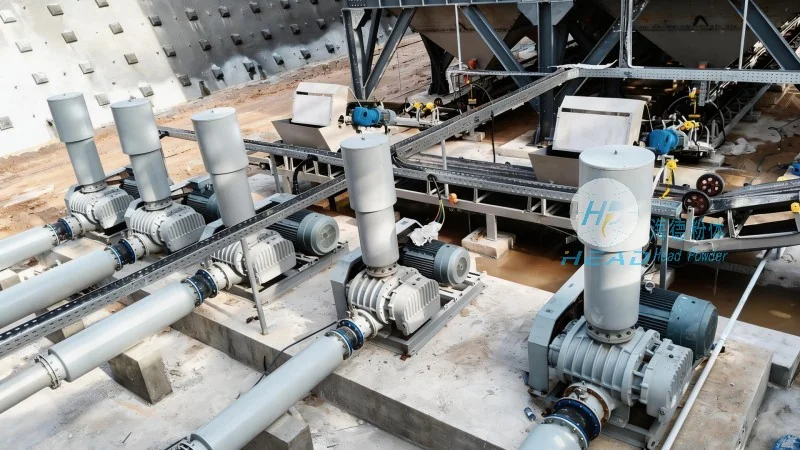
Key Components of Cotton Material Handling Systems
The core components of a cotton material handling system typically include conveyors, storage bins, feeding mechanisms, and sorting equipment. Conveyors, such as belt conveyors or screw conveyors, are used to transport cotton from one location to another within the facility. Storage bins are essential for holding raw cotton or processed cotton, providing a buffer to regulate the flow of materials. Feeding mechanisms, like hoppers or feeders, ensure a consistent supply of cotton to the processing equipment. Sorting equipment, including air separators or magnetic separators, helps in separating impurities from the cotton, improving the purity of the final product.
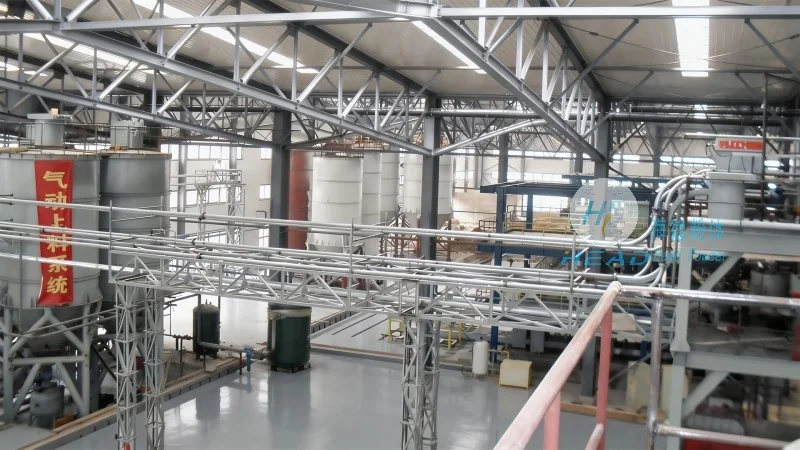
Design Principles for Optimal Performance
The design of a cotton material handling system is guided by several key principles to ensure efficiency and reliability. First, the system must be tailored to the specific characteristics of cotton, such as its fibrous nature and varying moisture content. This involves selecting appropriate materials for components that come into contact with cotton, like food-grade plastics or stainless steel, to prevent contamination and ensure durability. Second, the system should be designed for scalability, allowing for future expansion as the business grows. This includes modular components that can be easily added or modified without disrupting the entire operation. Third, energy efficiency is a critical consideration. The use of variable frequency drives (VFDs) on motors and optimized conveyor designs helps reduce energy consumption while maintaining performance. Finally, safety is paramount. The system must comply with industry safety standards, incorporating features like emergency stop buttons, protective guards, and proper lighting to protect operators and prevent accidents.
Applications in the Cotton Industry
Cotton material handling systems are widely used in various stages of the cotton processing industry. In the raw cotton stage, these systems help in the collection and storage of harvested cotton from fields, ensuring that the material is kept in optimal conditions to prevent spoilage. During the ginning process, the system facilitates the transport of cotton from the storage bins to the ginning machines, where seeds and other impurities are removed. In the bale-making stage, the system efficiently moves processed cotton into bales, which are then prepared for shipping. Additionally, in the textile manufacturing stage, the system can handle cotton fibers for further processing into yarn or fabric, ensuring a smooth transition from raw material to finished product.
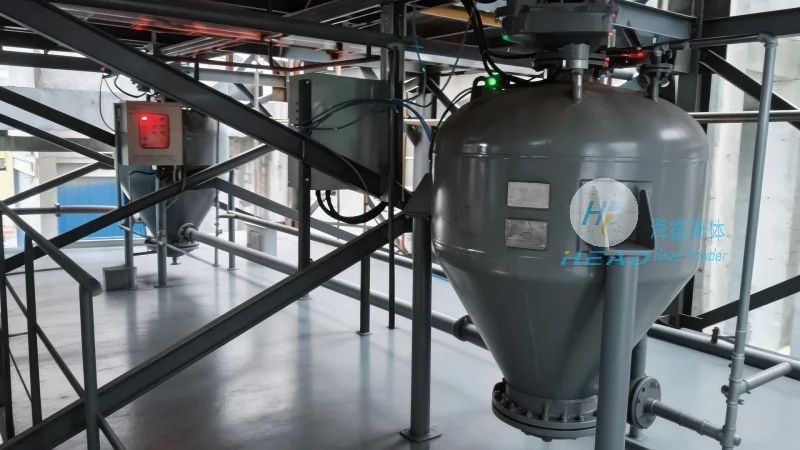
Benefits of an Efficient Cotton Material Handling System
Implementing a well-designed cotton material handling system offers numerous benefits for cotton processing businesses. Firstly, it significantly improves operational efficiency by reducing the time and labor required for material movement. Automated systems can operate continuously, minimizing downtime and increasing throughput. Secondly, it enhances product quality by ensuring consistent handling and processing of cotton. Proper sorting and storage prevent contamination and maintain the integrity of the cotton fibers. Thirdly, it reduces operational costs through energy-efficient designs and reduced labor requirements. The modular nature of these systems also allows for lower maintenance costs, as individual components can be replaced without affecting the entire system. Finally, it improves workplace safety by integrating safety features that protect operators and prevent accidents, creating a safer working environment.