

What is a Clay Ash Material Handling System Equipment? What are its Design Principles?
Clay ash material handling systems are specialized equipment designed to efficiently transport and manage clay ash materials, which are commonly generated in industrial processes such as power generation, cement production, and mineral processing. These systems play a crucial role in optimizing material flow, reducing operational costs, and ensuring environmental compliance in various industrial applications. Developed by Shandong HeadPowder Engineering Co., Ltd., a leading manufacturer based in China, these systems are engineered to meet the demanding requirements of modern industrial operations.
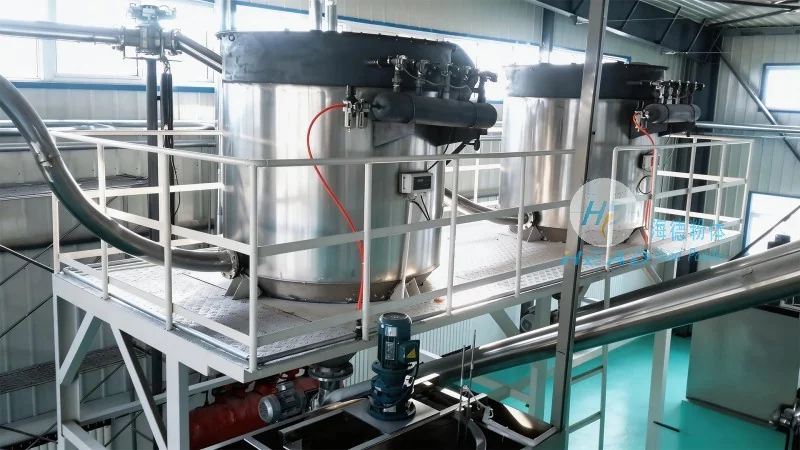
Introduction to Clay Ash Material Handling Systems
Clay ash, also known as fly ash or bottom ash, is a byproduct of combustion processes that involves the burning of fossil fuels or other organic materials. The material handling systems for clay ash are engineered to handle these materials in bulk, ensuring safe and efficient transportation from the point of generation to storage or disposal locations. The equipment typically includes components like conveyors, feeders, storage silos, and control systems, all integrated to form a cohesive material handling solution.
Key Components of a Clay Ash Material Handling System
The core components of a clay ash material handling system include bulk material conveyors, such as belt conveyors or screw conveyors, which are designed to handle the abrasive and potentially hazardous nature of clay ash. These conveyors are often equipped with special materials like stainless steel or high-density polyethylene to prevent wear and corrosion. Additionally, material feeders, such as rotary valves or vibratory feeders, are used to regulate the flow of clay ash into the conveyor system, ensuring consistent and controlled material discharge.
Storage silos are another critical component, providing a secure and controlled environment for storing clay ash before it is transported to its final destination. These silos are typically made of steel or concrete and are equipped with pressure relief systems to manage the internal pressure of the stored material. The silos may also include level sensors and indicators to monitor the material level and prevent overfilling.
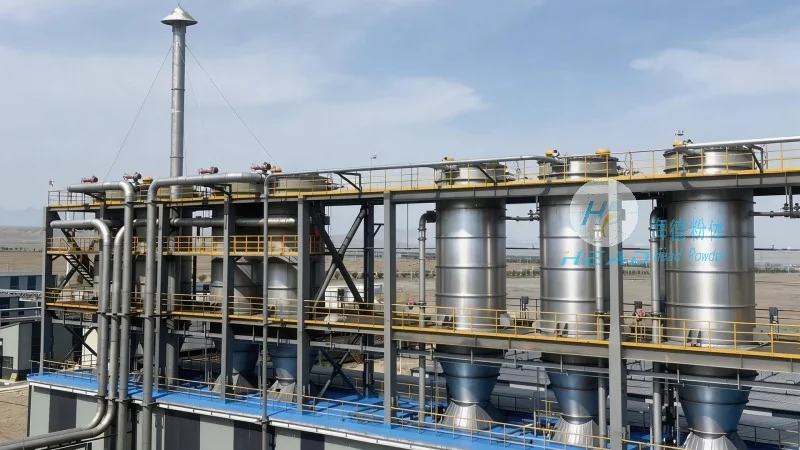
Design Principles for Clay Ash Material Handling Systems
The design of clay ash material handling systems follows several key principles to ensure efficiency, safety, and durability. One of the primary principles is the minimization of material degradation and dust generation. This is achieved through the use of enclosed systems, dust collection systems, and proper sealing of components to prevent the release of airborne particles. The systems are also designed to handle the abrasive and corrosive properties of clay ash, using materials and coatings that can withstand the harsh conditions.
Another important design principle is the integration of automation and control systems. Modern clay ash material handling systems are equipped with advanced control panels and sensors that monitor the system's performance in real-time. These systems can adjust conveyor speeds, feeder rates, and silo levels based on operational parameters, ensuring optimal material flow and preventing system downtime. The control systems also include safety features such as emergency stop buttons and interlocks to protect operators and prevent accidents.
Efficiency and energy conservation are also key design considerations. The systems are engineered to minimize energy consumption while maintaining high throughput rates. This is achieved through the use of efficient motor drives, variable speed drives, and optimized conveyor designs that reduce friction and energy losses. Additionally, the systems are designed to minimize material handling time and labor costs by automating as many processes as possible.
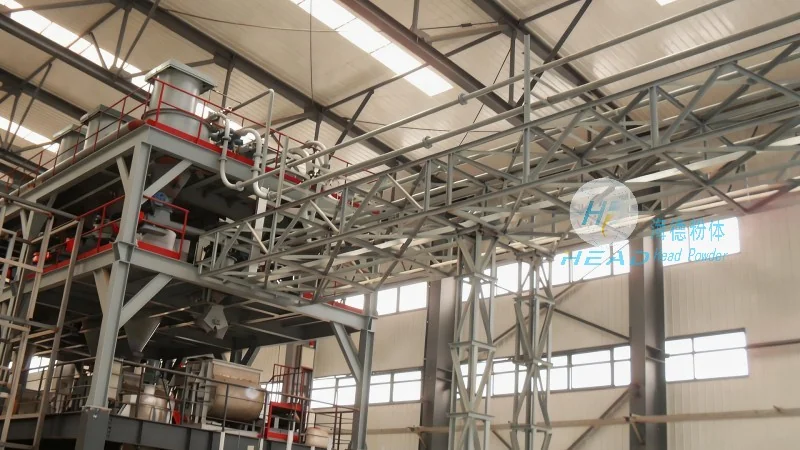
Application of Clay Ash Material Handling Systems
Clay ash material handling systems are widely used in various industrial sectors, including power generation, cement manufacturing, and mineral processing. In power plants, these systems are used to transport fly ash from the boiler to storage silos or to disposal sites. In cement plants, clay ash is often used as a raw material or a supplementary cementitious material, and the material handling systems ensure that it is delivered to the production line efficiently. In mineral processing, clay ash may be used as a filler or a component in the production of other materials, and the systems help in the efficient transport of these materials.
Advantages of Using Clay Ash Material Handling Systems
Implementing clay ash material handling systems offers several advantages to industrial operations. Firstly, these systems improve the efficiency of material handling processes, reducing the time and labor required to transport clay ash. This leads to increased productivity and lower operational costs. Secondly, the systems enhance safety by minimizing the risk of dust exposure and accidents, as they are enclosed and equipped with safety features. Thirdly, the systems contribute to environmental compliance by preventing the release of clay ash into the environment and ensuring proper disposal or reuse of the material.
Conclusion
Clay ash material handling systems are essential equipment for industrial operations that generate clay ash as a byproduct. These systems are designed to efficiently transport and manage clay ash, ensuring safety, efficiency, and environmental compliance. The design principles, including the use of specialized components, automation, and energy-efficient technologies, make these systems effective solutions for handling clay ash in various industrial applications. As industrial processes continue to evolve, the development of advanced clay ash material handling systems will remain critical in optimizing material flow and reducing operational costs. Shandong HeadPowder Engineering Co., Ltd. specializes in providing high-quality clay ash material handling systems that meet the diverse needs of industrial clients in China and beyond.