

Aluminum Oxide Powder Conveying Methods: An Overview of the Advantages and Features of Pneumatic Conveying
When it comes to transporting aluminum oxide powder, selecting the right method is crucial for efficiency, safety, and cost-effectiveness. Various options are available, each with its own set of advantages and considerations. This article explores the common methods of aluminum oxide powder conveyance, with a particular focus on the benefits and features of pneumatic conveying.
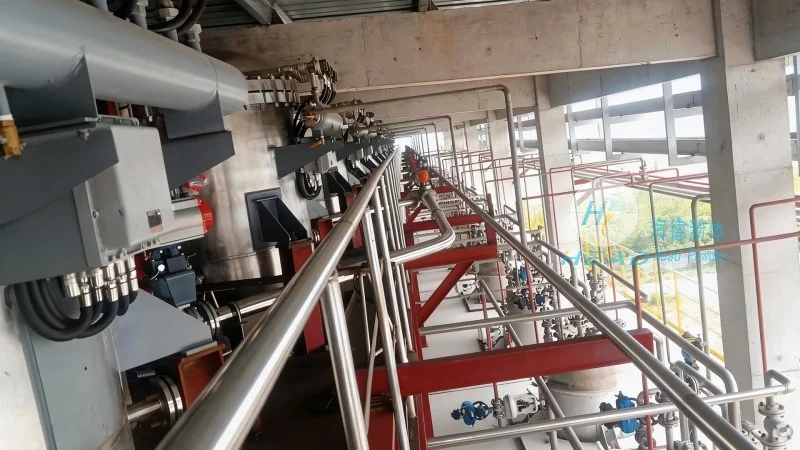
About the Company: Shandong HeadPowder Engineering Co., Ltd.
Shandong HeadPowder Engineering Co., Ltd., operating under the brand name headpowder, is a leading provider of advanced material handling solutions. With a strong presence in China, particularly in Shandong, the company specializes in designing and manufacturing systems for the efficient transport of various powders, including aluminum oxide. Their expertise lies in optimizing material flow, ensuring product integrity, and enhancing operational reliability for industrial applications.
Different Conveying Methods for Aluminum Oxide Powder
Aluminum oxide powder, known for its high purity and abrasive properties, requires specialized handling to prevent degradation and ensure consistent performance. Traditional methods such as gravity flow, mechanical conveyors (like screw conveyors or belt conveyors), and pneumatic systems are commonly used. Each method has its strengths and limitations, making the choice dependent on factors like material characteristics, distance, and environmental constraints.
Pneumatic Conveying: The Preferred Solution for Aluminum Oxide Powder
Pneumatic conveying stands out as a highly effective and versatile method for aluminum oxide powder transport. Unlike mechanical systems that rely on physical contact with the material, pneumatic systems use air or other gases to move the powder through a pipeline. This approach offers several key advantages that make it ideal for aluminum oxide applications.
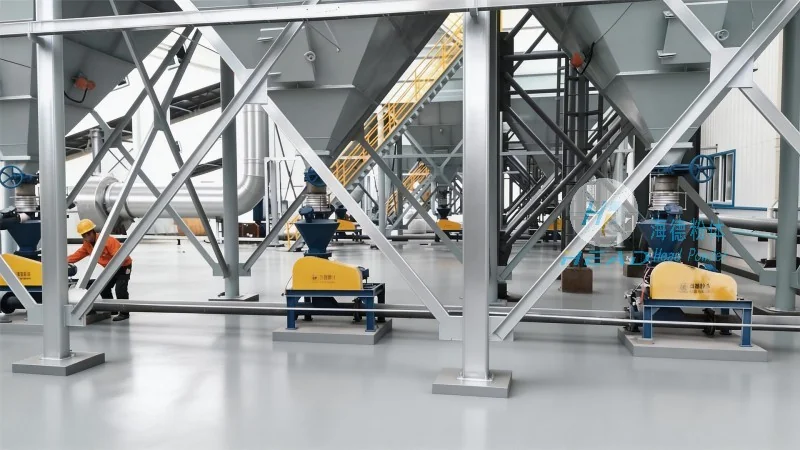
Key Advantages of Pneumatic Conveying for Aluminum Oxide Powder
1. **Reduced Product Contamination and Degradation**: Pneumatic systems minimize physical contact between the powder and equipment, which is critical for maintaining the purity and quality of aluminum oxide. This is especially important in industries where even minor contamination can affect product performance.
2. **Efficient and High-Capacity Transport**: Pneumatic conveying can handle large volumes of aluminum oxide powder over long distances with minimal energy consumption. The system’s ability to maintain consistent flow rates ensures reliable material delivery, reducing downtime and improving overall productivity.
3. **Flexibility in Layout and Installation**: Unlike fixed mechanical conveyors that require rigid infrastructure, pneumatic systems can be easily reconfigured or expanded. This flexibility allows for adaptation to changing production needs or facility expansions without significant modifications.
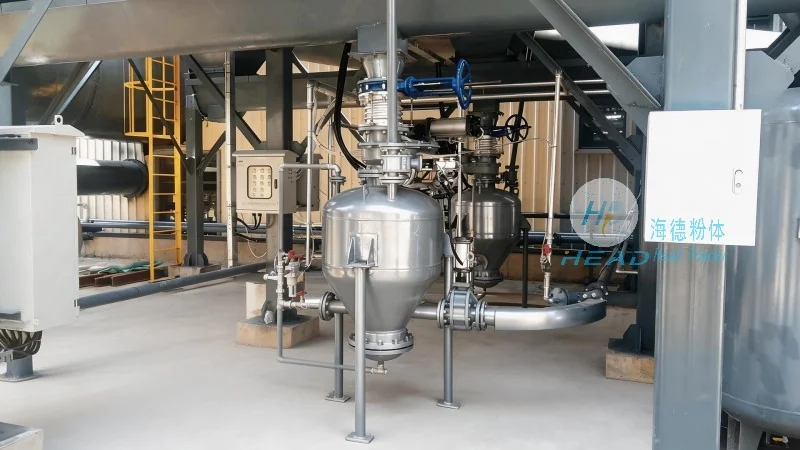
4. **Improved Safety and Environmental Control**: By enclosing the powder in a sealed pipeline, pneumatic conveying effectively controls dust emissions, enhancing workplace safety and compliance with environmental regulations. This is particularly beneficial in applications where dust control is a priority.
Types of Pneumatic Conveying Systems for Aluminum Oxide Powder
There are two primary types of pneumatic conveying systems: suction (or vacuum) and pressure systems. The choice between them depends on the specific requirements of the aluminum oxide powder handling process.
**Suction (Vacuum) Pneumatic Conveying**: This system uses a vacuum to draw aluminum oxide powder from a storage bin or hopper into the conveying line. It is suitable for short to medium distances and is often used for loading or transferring powder from one point to another within a facility. The suction method is gentle on the powder, reducing the risk of particle breakage.
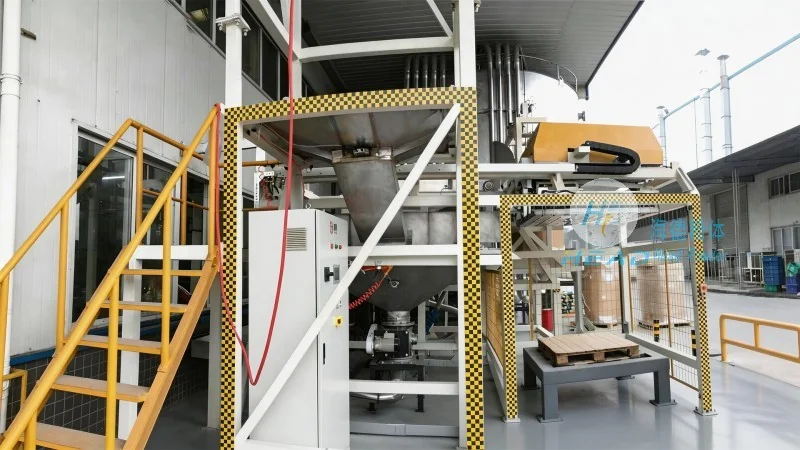
**Pressure Pneumatic Conveying**: In contrast, pressure systems use compressed air to push the aluminum oxide powder through the pipeline. This method is ideal for longer distances and can handle more challenging layouts, including vertical lifts and complex routing. Pressure systems typically offer higher conveying rates and are more suitable for high-volume applications.
Components of a Pneumatic Conveying System for Aluminum Oxide Powder
A typical pneumatic conveying system for aluminum oxide powder includes several key components that work together to ensure efficient operation:
1. **Feeder**: The feeder is responsible for accurately metering the aluminum oxide powder and introducing it into the conveying line. For aluminum oxide, a rotary valve or a vibratory feeder is commonly used to ensure consistent flow without clogging.