

Continuous Feeding Powder Pneumatic Conveying: Understanding the Concept and Design Principles
Continuous feeding powder pneumatic conveying is a specialized method used in industrial applications to transport bulk powders and granular materials over long distances or through complex system layouts. This technology offers a flexible and efficient solution for material handling, particularly in sectors such as pharmaceuticals, food processing, and chemical manufacturing. The core of this system lies in its ability to continuously feed material from a source to a destination while maintaining consistent flow rates and minimizing material degradation. Developed by Shandong HeadPowder Engineering Co., Ltd. (headpowder), this system is engineered to meet the demanding requirements of modern industrial processes.
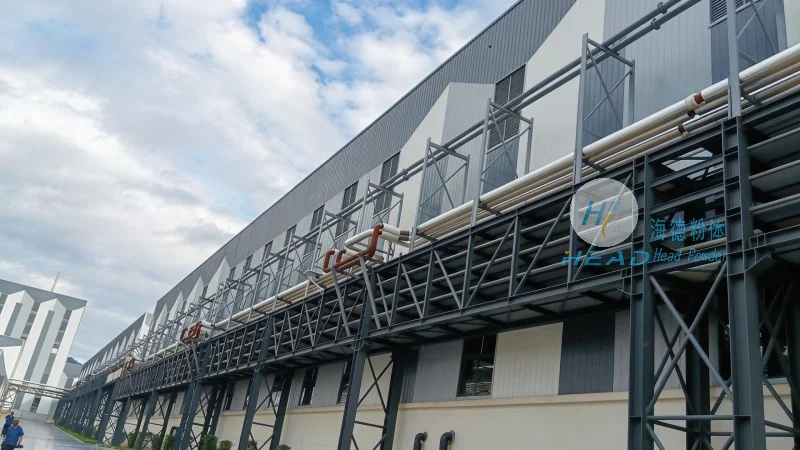
What is Continuous Feeding Powder Pneumatic Conveying?
At its essence, continuous feeding powder pneumatic conveying involves the use of air or gas to transport solid particles through a pipeline. Unlike batch or intermittent systems, continuous feeding ensures a steady stream of material, which is crucial for maintaining production line efficiency. The process typically starts with a feeder that continuously supplies the powder into a conveying line, where it is then propelled by the moving air stream. This method is particularly advantageous for materials that are prone to caking or segregation, as the continuous flow helps prevent these issues and ensures uniformity in the final product. The system's design allows for seamless integration with existing production equipment, making it a versatile solution for various industrial applications.
The Design Principles Behind Continuous Feeding Systems
The design of a continuous feeding powder pneumatic conveying system is governed by several key principles that ensure optimal performance and reliability. First, the system must be designed to handle the specific characteristics of the material being conveyed, including particle size, density, and moisture content. This involves selecting appropriate equipment such as rotary valves, feeders, and air locks that can handle the material without causing blockages or degradation. Second, the air velocity and pressure within the pipeline are critical parameters that must be carefully calculated to achieve the desired conveying capacity and minimize energy consumption. Engineers use computational fluid dynamics (CFD) and empirical formulas to determine the optimal air velocity, which is typically higher than the minimum fluidization velocity to prevent particle settlement. The design also considers factors like pipeline length, elevation changes, and system resistance to ensure efficient material transport.
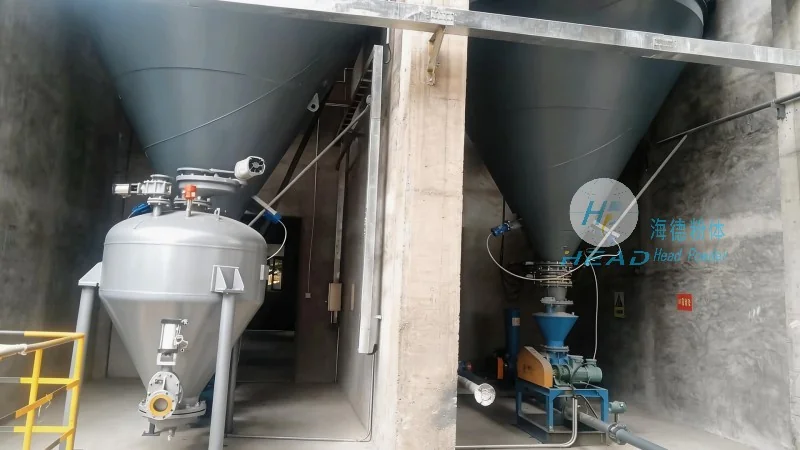
Key Components and Their Roles in the System
Several key components make up a continuous feeding powder pneumatic conveying system, each playing a vital role in the overall operation. The primary components include the material feeder, which continuously supplies the powder to the system; the conveying line, which transports the material; the air source, such as a blower or compressor, which provides the necessary airflow; and the control system, which regulates the flow rate and pressure. Additional components may include filters, cyclones, and dust collectors to manage the air and prevent contamination. The material feeder, often a rotary valve or a screw feeder, ensures a consistent feed rate, which is essential for maintaining the stability of the conveying process. The conveying line is typically made of stainless steel or other corrosion-resistant materials to withstand the abrasive nature of the powder and the effects of the air stream. The air source provides the pressure and volume of air required to move the material, and the control system monitors and adjusts the system parameters to maintain optimal performance. For example, a rotary valve can be adjusted to control the feed rate, while a blower can be sized to provide sufficient airflow for the required capacity.
Advantages of Continuous Feeding Over Traditional Methods
Continuous feeding powder pneumatic conveying offers several advantages over traditional material handling methods, such as bucket elevators or belt conveyors. One of the most significant benefits is the ability to handle materials that are difficult to transport using mechanical systems, such as fine powders or those with high moisture content. The continuous flow also reduces the risk of material segregation and caking, which can lead to product quality issues. Additionally, the system is more energy-efficient compared to batch systems, as it operates continuously at a steady state, minimizing energy losses associated with starting and stopping the system. Another advantage is the flexibility of the system, which can be easily modified to accommodate changes in production requirements or to integrate with existing equipment. This adaptability makes it suitable for a wide range of applications, from small-scale laboratory operations to large-scale industrial production.
Considerations for Design and Implementation
When designing a continuous feeding powder pneumatic conveying system, several factors must be considered to ensure successful implementation. First, the system must be designed to handle the specific characteristics of the material, including particle size distribution, density, and flow properties. This involves conducting thorough material testing to determine the appropriate conveying velocity and pressure. Second, the system must be sized to meet the required conveying capacity, which is typically expressed in terms of material flow rate (e.g., tons per hour). The air source must be sized to provide sufficient airflow to achieve the desired capacity while maintaining energy efficiency. Third, the system must be equipped with appropriate safety features, such as pressure relief valves and dust collection systems, to prevent accidents and protect the environment. Finally, the system must be installed and maintained according to industry standards to ensure long-term reliability and performance. For instance, regular cleaning and inspection of the conveying line and components are essential to prevent clogging and ensure consistent operation.
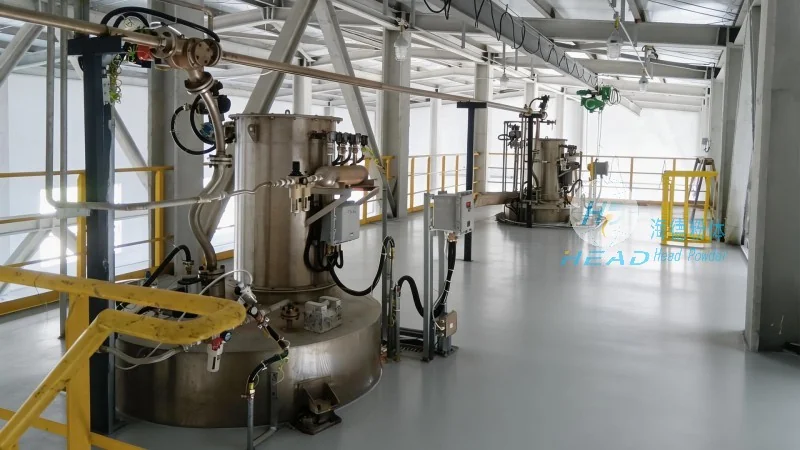
Applications in Various Industries
Continuous feeding powder pneumatic conveying is widely used in various industries due to its versatility and efficiency. In the pharmaceutical industry, for example, the system is used to transport active pharmaceutical ingredients (APIs) and excipients with high purity requirements. The continuous flow ensures that the material is handled gently, minimizing the risk of contamination or degradation. In the food processing industry, the system is used to transport ingredients such as flour, sugar, and spices, which are often sensitive to moisture and temperature. The system's ability to maintain consistent flow rates and temperatures helps ensure product quality and safety. In the chemical industry, the system is used to transport raw materials and finished products, such as powders and granules, which may be hazardous or corrosive. The system's design allows for safe and efficient handling of these materials, reducing the risk of accidents and environmental contamination. Additionally, the system is used in the mining and mineral processing industries to transport ore and other bulk materials, where the continuous feeding capability helps improve production throughput.
Conclusion
Continuous feeding powder pneumatic conveying is a highly effective and efficient method for transporting bulk powders and granular materials in industrial applications. The design principles behind this system, including the selection of appropriate components, calculation of air velocity and pressure, and consideration of material characteristics, are critical to achieving optimal performance. By understanding these principles and implementing them correctly, industries can improve their material handling processes, reduce costs, and enhance product quality. As technology advances, continuous feeding systems are becoming more sophisticated, with features such as automation and real-time monitoring, further enhancing their capabilities and versatility. Shandong HeadPowder Engineering Co., Ltd. (headpowder) continues to innovate in this field, providing advanced solutions that meet the evolving needs of modern industrial operations.