

What is Bulk Powder Pneumatic Conveying for Loading and Unloading? What Are the Design Principles?
For industries dealing with bulk powders, efficient material handling is crucial. One of the most effective methods for transporting these materials, especially during loading and unloading operations, is bulk powder pneumatic conveying. This technology involves the use of air to move dry, particulate materials through a system of pipes and equipment. Understanding the fundamentals of this process and the key design principles is essential for optimizing performance and ensuring safety. In this article, we will explore what bulk powder pneumatic conveying is and delve into the core design principles that govern its operation.
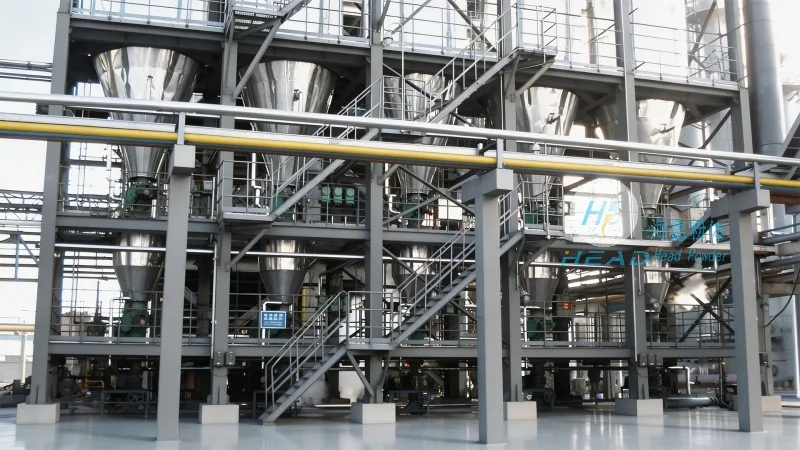
Introduction to Bulk Powder Pneumatic Conveying
Bulk powder pneumatic conveying is a method of transporting dry, free-flowing powders and granules using a pressurized or vacuum system. The process relies on the movement of air or gas to create a flow of material through a network of pipes. This technique is widely used in various industries, including food, pharmaceuticals, chemicals, and mining, for loading and unloading operations at storage facilities, silos, and processing plants. The primary advantage of pneumatic conveying is its ability to handle materials that are difficult to transport using traditional methods, such as those with high moisture content or those that are prone to caking or segregation.
Overview of the System Components
The effectiveness of a bulk powder pneumatic conveying system depends on its well-designed components. Each part plays a critical role in ensuring the smooth and efficient transport of material. The main components typically include a material feeder, a conveying line (pipes), a separation or collection system, and a gas source (blower or vacuum pump). The material feeder is responsible for introducing the powder into the system, often with a metering device to control the flow rate. The conveying line transports the material and air mixture to the destination. The separation system, such as a cyclone or filter, separates the material from the air before it is returned to the gas source or released to the atmosphere. The gas source provides the necessary pressure or vacuum to drive the material through the system.
Key Design Principles for Loading and Unloading Applications
Designing an effective bulk powder pneumatic conveying system for loading and unloading requires careful consideration of several key principles. These principles ensure that the system operates efficiently, safely, and reliably. The first principle is the selection of the appropriate system type, which can be either positive pressure (blow-through) or negative pressure (suction). Positive pressure systems are commonly used for loading operations, as they push material from a source to a destination, while negative pressure systems are often used for unloading, as they draw material from a container. The choice of system type depends on factors such as the distance between the source and destination, the material's properties, and the available space for equipment.
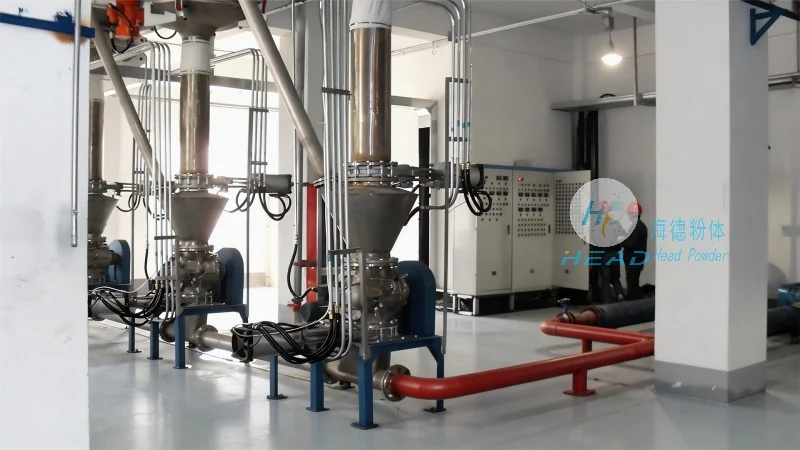
The second principle is the determination of the air-to-solid ratio (ASR), which is the ratio of the volume of air to the volume of material being conveyed. The ASR is a critical parameter that affects the system's performance. A higher ASR generally results in higher conveying speeds but may increase energy consumption and cause more wear on equipment. Conversely, a lower ASR may reduce energy use but could lead to reduced conveying capacity or increased risk of blockages. The optimal ASR is determined based on the material's properties, such as its density, particle size, and flowability, as well as the system's design constraints.
Pipeline Design and Sizing
Another crucial design principle is the proper sizing and layout of the conveying pipeline. The diameter and length of the pipes are critical factors that impact the system's efficiency. The pipe diameter is typically determined based on the material's particle size and the desired conveying velocity. Larger particles may require larger diameter pipes to prevent blockages, while smaller particles can be conveyed in smaller pipes. The length of the pipeline is also important, as longer distances may require additional boosters or larger blower capacity to maintain sufficient pressure. The layout of the pipeline should be designed to minimize bends and changes in direction, as these can cause pressure losses and increase the risk of material accumulation or blockages. Properly designed pipelines ensure that the material flows smoothly and consistently, reducing the likelihood of system failures.
Material Feeder and Metering
The material feeder is a critical component in a bulk powder pneumatic conveying system, as it controls the flow rate of the material into the system. The choice of feeder depends on the material's properties and the application requirements. Common types of feeders include rotary valves, star feeders, and screw feeders. Rotary valves are often used for free-flowing materials and provide a consistent flow rate. Star feeders are suitable for materials with varying flowability and can handle both free-flowing and slightly cohesive powders. Screw feeders are used for materials that are more cohesive or have a higher moisture content, as they can provide a controlled and reliable feed. The feeder must be properly sized and matched to the system's capacity to ensure that the material is introduced at the correct rate, preventing overloading or underloading of the conveying line.
Separation and Collection Systems
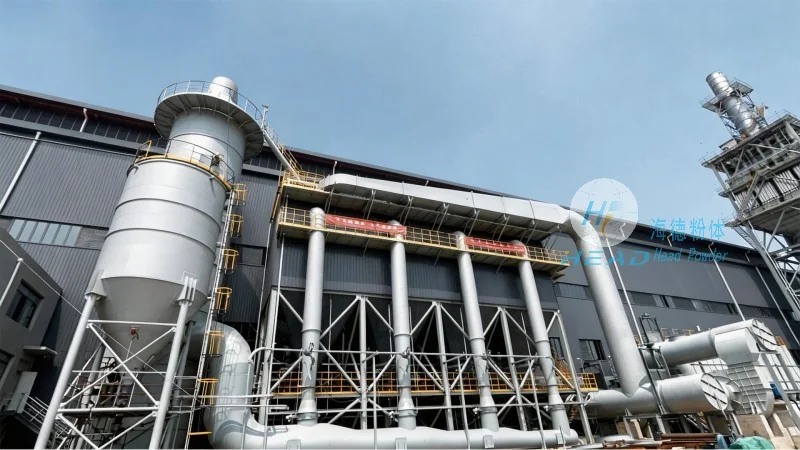
After the material is conveyed to its destination, it must be separated from the air and collected. The separation system typically consists of a cyclone separator or a filter. Cyclone separators use centrifugal force to separate the material from the air, while filters use a mesh or fabric to trap the particles. The choice of separation system depends on the material's particle size and the required level of purity. For applications where the material must be kept clean and free of contaminants, a filter may be used. The separated material is then collected in a hopper or container, while the air is either returned to the gas source or released to the atmosphere, depending on the system design.
Energy Efficiency and Maintenance Considerations
Designing a bulk powder pneumatic conveying system for loading and unloading also involves considerations for energy efficiency and maintenance. Energy consumption is a significant factor in the operation of pneumatic conveying systems, as the gas source (blower or vacuum pump) accounts for a large portion of the system's power usage. To improve energy efficiency, designers may use variable frequency drives (VFDs) to adjust the blower speed based on the system's demand, reducing energy waste during low-conveying periods. Regular maintenance is also essential to ensure the system operates at peak performance. This includes checking the condition of the pipes for blockages or wear, inspecting the feeder and separation system for clogging or damage, and replacing worn parts as needed. Proper maintenance helps to extend the system's lifespan and reduce downtime, ensuring consistent and reliable material handling.
Conclusion
Bulk powder pneumatic conveying is a highly effective method for loading and unloading operations in industries dealing with bulk materials. By understanding the key design principles, such as system type selection, air-to-solid ratio, pipeline design, and component selection, engineers can design systems that are efficient, reliable, and safe. The proper implementation of these principles ensures that the system can handle a wide range of materials and operating conditions, providing a cost-effective solution for material handling needs. As a leading provider in this field, Shandong HeadPowder Engineering Co., Ltd. specializes in designing and manufacturing customized pneumatic conveying systems tailored to the specific requirements of each application. With a focus on quality and innovation, HeadPowder offers solutions that enhance productivity and reduce operational costs for clients across various industries.