

What is Rice Bran Powder Pneumatic Conveying? And What Are Its Design Principles?
Understanding rice bran powder pneumatic conveying systems is crucial for industries dealing with this specific material. This article explores the fundamental concepts behind pneumatic conveying, focusing on the design principles that ensure efficient and reliable transport of rice bran powder. By examining the technical aspects and practical considerations, we aim to provide a comprehensive overview for professionals in the field.
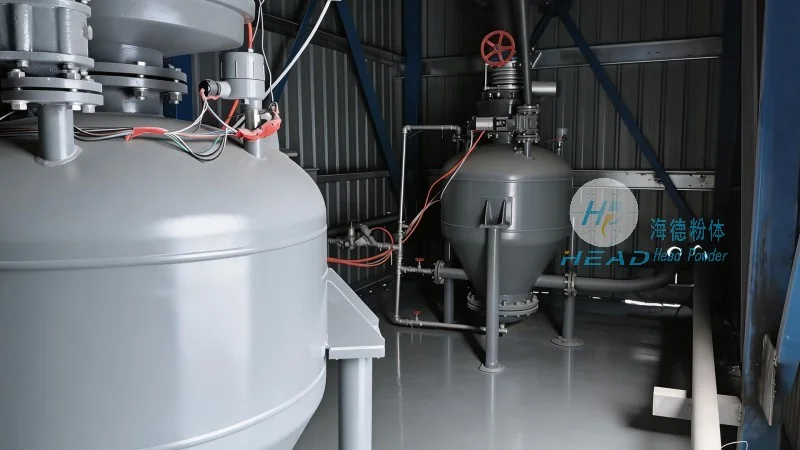
About HeadPowder
HeadPowder, formally known as Shandong HeadPowder Engineering Co., Ltd., is a leading provider of engineering solutions for powder handling systems. With a strong presence in China, particularly in Shandong province, the company specializes in designing and manufacturing pneumatic conveying equipment tailored to the unique characteristics of rice bran powder. Their expertise lies in optimizing material flow, ensuring minimal product degradation, and enhancing overall operational efficiency for clients in various sectors.
The Design Principles of Rice Bran Powder Pneumatic Conveying
Pneumatic conveying systems for rice bran powder operate on the principle of transporting dry bulk materials through a pipeline using air or gas as the conveying medium. The design of such systems involves several critical components and considerations to ensure optimal performance. First, the selection of the conveying method—whether it's a pressure or vacuum system—depends on the distance, height, and material characteristics. Rice bran powder, being a fine and potentially hygroscopic material, requires careful consideration of air velocity, pressure differentials, and pipeline design to prevent blockages and ensure consistent flow.
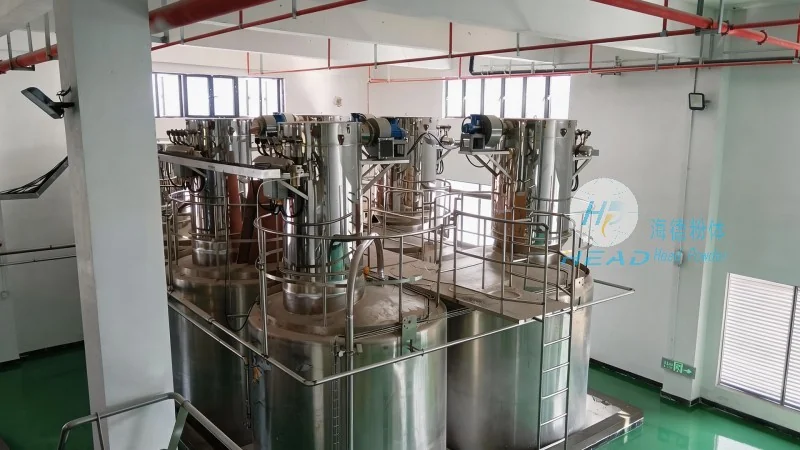
Key design elements include the hopper or feeder, which controls the material feed rate, and the pipeline system, which must be sized appropriately to handle the material's particle size distribution and flow properties. The air compressor or vacuum pump provides the necessary pressure or suction to move the powder through the system. Additionally, accessories such as cyclones, filters, and silos are integrated to manage dust, separate air from the material, and store the conveyed product. The design must also account for the material's density, moisture content, and potential for agglomeration, as these factors can significantly impact the system's efficiency and longevity.
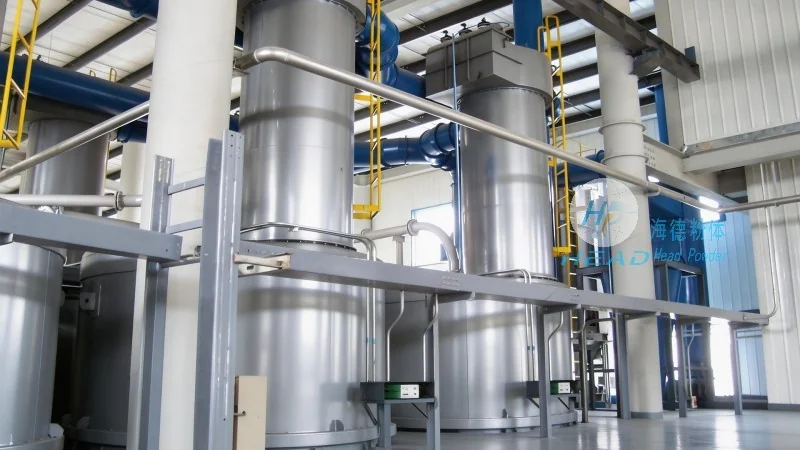
Efficiency and Reliability in Material Handling
Effective pneumatic conveying of rice bran powder is essential for maintaining product quality and operational continuity. The design principles outlined above contribute to minimizing material degradation, reducing downtime, and enhancing overall system reliability. By optimizing air flow rates and pressure differentials, the system can maintain a consistent flow rate, preventing issues like clogging or uneven distribution. This is particularly important for rice bran, which is often used in food processing, animal feed, or biofuel production, where consistent quality is paramount.
HeadPowder's engineering approach focuses on customizing solutions to meet specific client needs. Whether it's a short-distance transport within a facility or a long-distance transfer between sites, their systems are designed to adapt to varying operational requirements. The company's expertise in material science and pneumatic technology allows them to address challenges such as material variability, changes in moisture content, or the need for dust control, ensuring that the conveying process remains efficient and safe.