

What is the Pneumatic Conveying of Aluminum Sulfate Powder? And What Are the Design Principles?
Aluminum sulfate powder, a widely used chemical in various industrial applications, often requires efficient and reliable transportation methods. Pneumatic conveying is a key technology for handling such powders, offering advantages like reduced dust, improved safety, and enhanced process control. This article explores the fundamental aspects of aluminum sulfate powder pneumatic conveying, including its design principles and practical considerations.
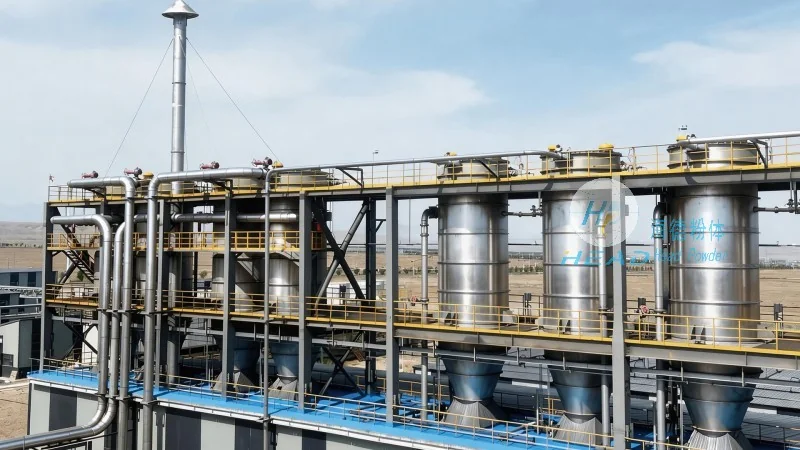
About HeadPowder Engineering
HeadPowder, a leading provider in the field, specializes in engineering solutions for powder handling systems. With a strong presence in Shandong, China, the company delivers high-quality equipment and expertise tailored to the unique needs of aluminum sulfate powder applications. Their commitment to innovation and customer satisfaction ensures that clients receive robust, efficient, and cost-effective pneumatic conveying systems.
Design Principles of Pneumatic Conveying Systems for Aluminum Sulfate Powder
The design of a pneumatic conveying system for aluminum sulfate powder involves several critical factors that ensure optimal performance and reliability. First, the selection of the conveying method—either dilute-phase or dense-phase—depends on the powder's properties, such as particle size, flowability, and moisture content. Dilute-phase systems use high air velocities to transport particles in a dispersed state, while dense-phase systems rely on lower velocities and higher pressure to move material in a slurry-like form. For aluminum sulfate, which typically has moderate flowability and particle size, a dilute-phase system is often preferred due to its simplicity and cost-effectiveness.
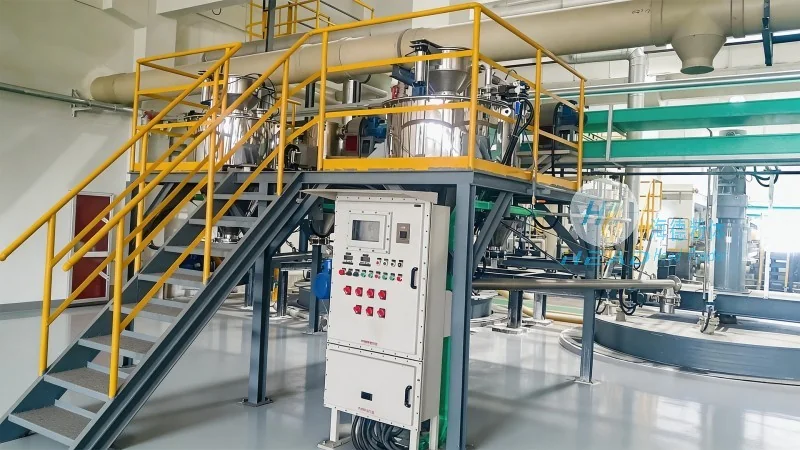
Second, the system's layout and components play a vital role. Key elements include the hopper (for material storage and feeding), the conveyor line (which may include bends, expansions, or reductions), and the receiver (for material discharge). The hopper design must prevent material bridging or caking, which can disrupt flow. Proper aeration and feeding mechanisms, such as rotary valves or screw feeders, are essential to maintain consistent material feed rates. The conveyor line's length and elevation changes also impact the system's performance, as excessive pressure drops or air velocity reductions can lead to material deposition or blockages.
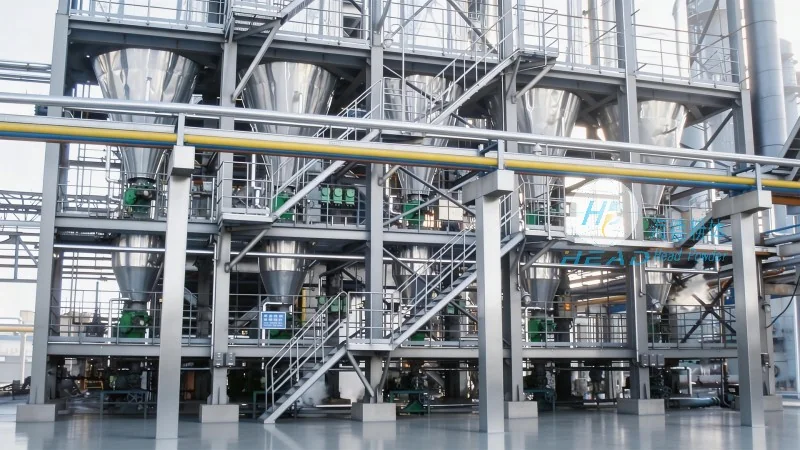
Third, air flow management is crucial. The air velocity must be sufficient to keep the powder particles suspended and prevent settling, while avoiding excessive energy consumption. The air volume and pressure are carefully calculated based on the powder's bulk density, particle size distribution, and the system's length. For aluminum sulfate, which has a bulk density of approximately 1.1 to 1.3 g/cm³, the air velocity is typically maintained between 20 to 30 m/s in dilute-phase systems. This ensures that particles remain in suspension and the system operates efficiently.
Fourth, material handling and system maintenance are integral to long-term performance. The system must be designed to handle the specific characteristics of aluminum sulfate, such as its tendency to agglomerate or adhere to surfaces. Anti-static measures may be necessary to prevent electrostatic discharge, which can affect material flow and safety. Regular maintenance, including cleaning of the hopper, conveyor line, and receiver, is essential to prevent buildup and ensure consistent operation.