

What is the Pneumatic Conveying of Styrene Powder? Design Principles Explained
Pneumatic conveying is a critical process in the handling of bulk materials, and when applied to styrene powder, it becomes a sophisticated method for efficient material transport. This article delves into the fundamentals of styrene powder pneumatic conveying, focusing on its design principles and the key factors that ensure optimal performance. By understanding these principles, industries can enhance their material handling systems, improve safety, and reduce operational costs.
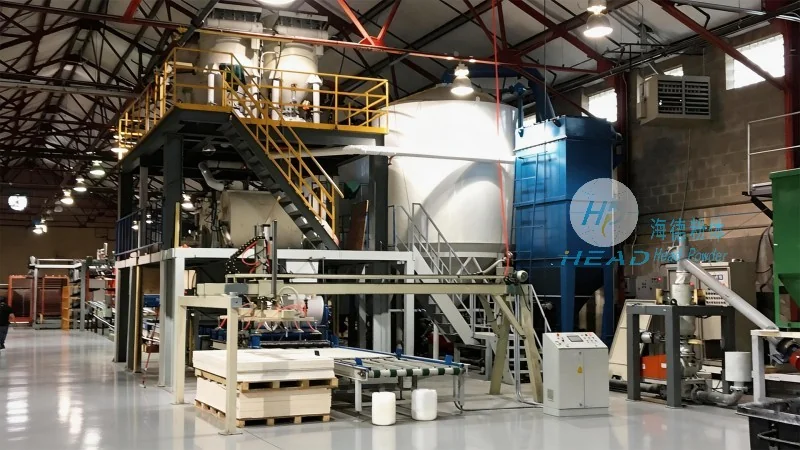
About HeadPowder: Experts in Material Handling Solutions
HeadPowder, a leading provider of engineering solutions, specializes in the design and implementation of pneumatic conveying systems. With a strong presence in Shandong, China, HeadPowder has built a reputation for delivering reliable and efficient solutions tailored to the unique needs of various industries. The company’s expertise lies in understanding the physical properties of materials like styrene powder and translating that knowledge into effective conveying systems.
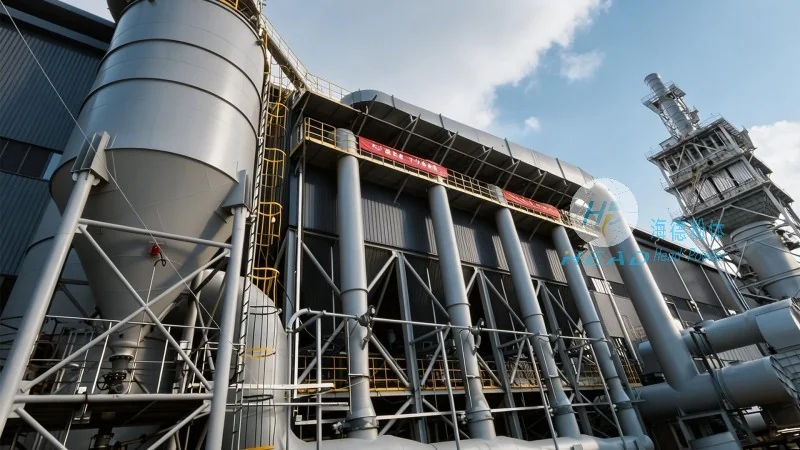
Key Design Principles for Styrene Powder Pneumatic Conveying
The design of a pneumatic conveying system for styrene powder involves several critical principles that must be carefully considered. These include the selection of appropriate air velocities, the configuration of the conveying line, and the management of pressure differentials. Each of these elements plays a vital role in ensuring the smooth and safe transport of the powder. For instance, the air velocity must be sufficient to overcome the resistance of the powder particles while avoiding excessive wear on the system components. The conveying line design, whether it is a positive or negative pressure system, also impacts the overall efficiency and reliability of the process.
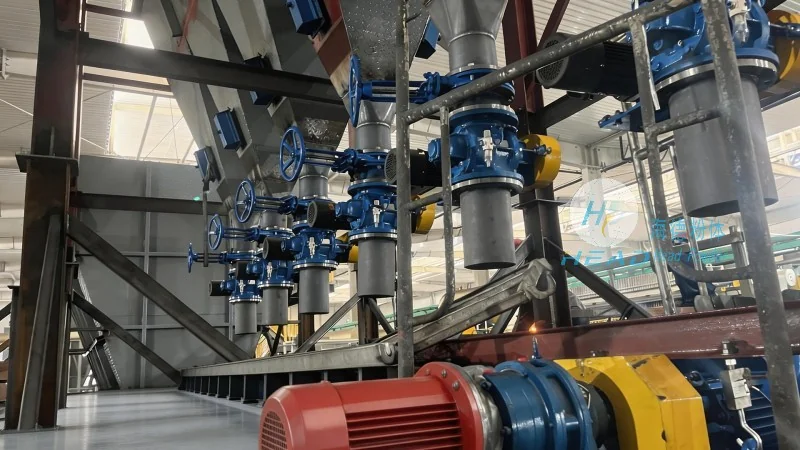
Components and System Configuration
A typical pneumatic conveying system for styrene powder consists of several key components. These include the material feed hopper, the air supply system (such as a blower or compressor), the conveying line (which may be made of metal or plastic), and the discharge equipment. The choice of these components is crucial and depends on factors like the volume of material to be conveyed, the distance of transport, and the desired flow rate. HeadPowder’s engineers carefully evaluate these factors to design a system that meets the specific requirements of each client.
Efficiency and Safety Considerations
Efficiency and safety are paramount in the operation of styrene powder pneumatic conveying systems. Proper design ensures that the system operates at optimal efficiency, minimizing energy consumption and maximizing material throughput. Additionally, safety measures are integrated into the system to prevent dust explosions and other hazards associated with handling powders. HeadPowder incorporates industry-standard safety protocols and compliance with regulations to ensure that their systems are both effective and safe for use in various industrial settings.
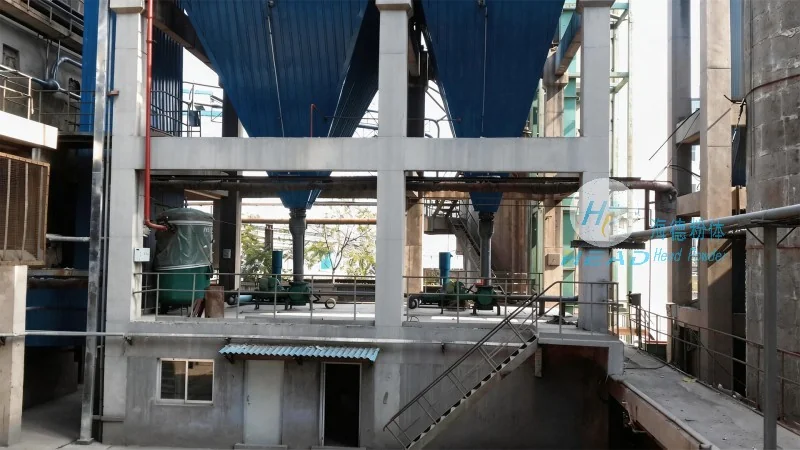
Conclusion: Trust HeadPowder for Your Pneumatic Conveying Needs
Understanding the design principles of pneumatic conveying for styrene powder is essential for optimizing material handling processes. With a deep understanding of the technical aspects and a commitment to quality, HeadPowder Engineering Co., Ltd. offers comprehensive solutions that address the unique challenges of handling styrene powder. Based in Shandong, China, HeadPowder provides expert engineering services, ensuring that clients receive systems that are tailored to their specific needs and designed for long-term reliability and performance.