

What is Diatomite Powder Pneumatic Conveying? And What Are Its Design Principles?
Diatomite powder pneumatic conveying is a specialized method used to transport diatomite powder through a pipeline using air as the conveying medium. This technology is crucial for industries that handle fine powders, such as diatomite, due to its efficiency and ability to minimize material loss and contamination. The process involves creating a flow of air within a closed system, which draws the diatomite powder particles into the pipeline and transports them to the destination. This method is particularly advantageous for diatomite, a lightweight, porous sedimentary rock composed of fossilized diatoms, which can be challenging to handle using traditional mechanical methods.
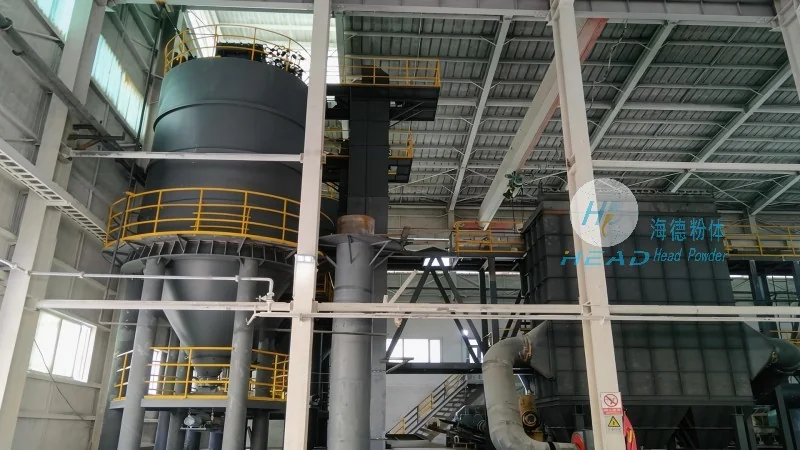
HeadPowder, a leading engineering company based in Shandong, China, specializes in the design and implementation of diatomite powder pneumatic conveying systems. With a deep understanding of the unique properties of diatomite and the demands of industrial applications, HeadPowder has developed advanced solutions tailored to the needs of various sectors, including filtration, cosmetics, and construction. The company's expertise lies in creating customized pneumatic conveying systems that ensure optimal performance, reliability, and cost-effectiveness for clients worldwide.
Design Principles of Diatomite Powder Pneumatic Conveying Systems
The design of a diatomite powder pneumatic conveying system is based on several key principles that ensure efficient and safe operation. The primary principle is the creation of a consistent air flow within the pipeline, which is achieved through the use of positive or negative pressure systems. Positive pressure systems use a blower to force air and powder through the pipeline, while negative pressure systems use a vacuum to draw the material into the system. For diatomite, which is a fine powder with low bulk density, positive pressure systems are often preferred as they provide better control over the flow and reduce the risk of clogging.
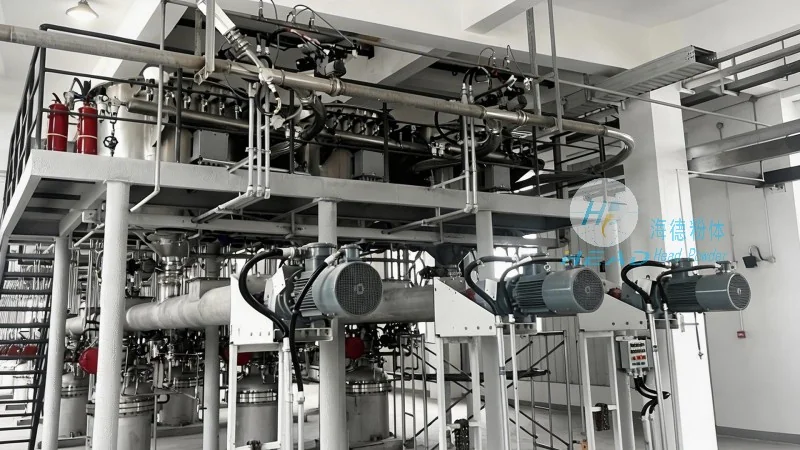
Another critical design principle is the selection of appropriate equipment components. This includes the choice of pipeline material, which must be resistant to abrasion and corrosion, as diatomite particles can be abrasive. Common materials for pipelines include stainless steel, PVC, and polyethylene. The system also incorporates components such as feeders, cyclones, and filters to manage the flow and separate the powder from the air. The feeder, typically a rotary valve or a screw feeder, ensures a steady supply of diatomite into the pipeline, while the cyclone separator uses centrifugal force to separate the powder from the air, allowing the air to be recycled or discharged.
HeadPowder's design approach emphasizes the integration of these components to create a seamless system that meets the specific requirements of each application. The company considers factors such as the diatomite's particle size distribution, moisture content, and flow characteristics, as well as the distance and elevation changes between the source and destination. By carefully selecting the appropriate equipment and configuring the system parameters, HeadPowder ensures that the conveying process is efficient, with minimal energy consumption and material degradation.
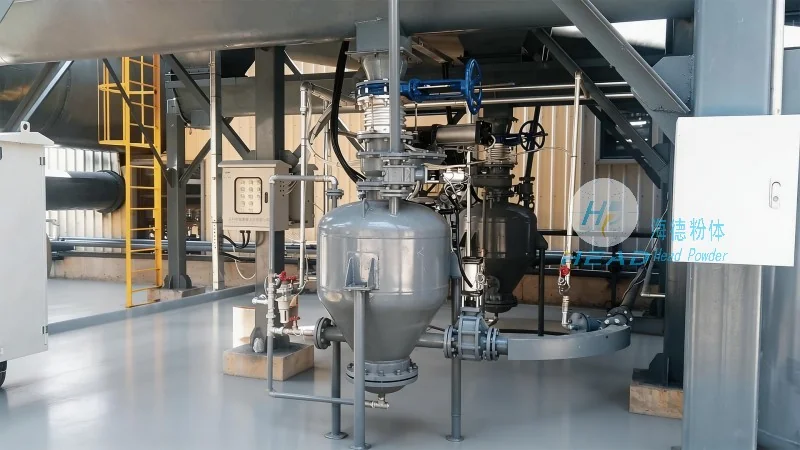
Key Components and Their Roles in Diatomite Powder Pneumatic Conveying
At the core of any diatomite powder pneumatic conveying system are several key components that work in tandem to ensure effective material transport. The blower or vacuum pump is the primary source of air pressure, providing the necessary force to move the diatomite particles through the pipeline. The choice of blower type—such as a centrifugal or positive displacement blower—depends on the system's requirements, including the required air volume and pressure. For diatomite applications, a centrifugal blower is often preferred due to its ability to handle large volumes of air and provide consistent pressure.
The pipeline itself is a critical component, as it must withstand the abrasive nature of diatomite particles and resist corrosion from any moisture present in the powder. Stainless steel is commonly used for pipelines in industrial settings, as it offers excellent resistance to both abrasion and corrosion. The pipeline is typically designed with smooth internal surfaces to minimize friction and prevent clogging, which can occur if the diatomite particles are too fine or the air flow is insufficient.
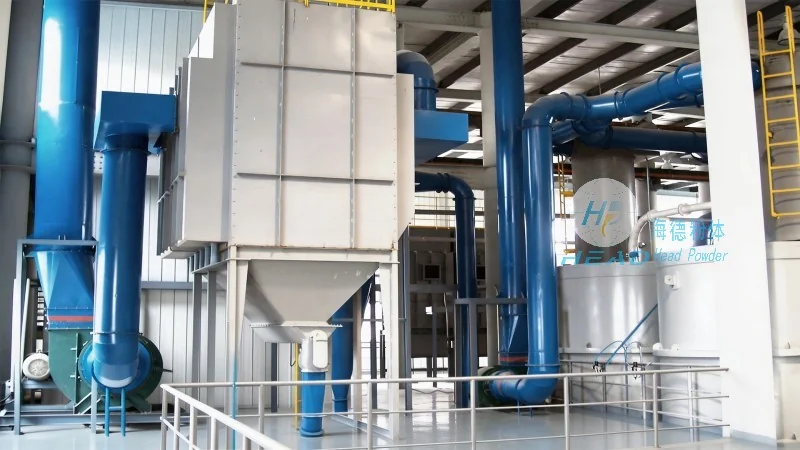
The feeder is another essential component, responsible for introducing the diatomite powder into the pipeline at a controlled rate. Rotary valves are widely used for this purpose, as they can handle a wide range of powder types and provide a consistent flow rate. The feeder is typically located at the source of the diatomite, such as a storage silo or hopper, and is connected to the pipeline via a short section of flexible hose or a rigid transition piece. The feeder's speed can be adjusted to control the flow rate, ensuring that the system operates at optimal efficiency.
The cyclone separator is a crucial component for separating the diatomite powder from the air stream. It operates on the principle of centrifugal force, where the air and powder mixture is introduced into a cylindrical chamber at a high velocity. The mixture is then forced to rotate at high speed, causing the heavier diatomite particles to move to the outer wall of the chamber and fall into a collection bin. The air, now relatively clean, is then discharged or recycled back into the system. The design of the cyclone separator is critical, as it must be able to handle the specific particle size distribution of the diatomite and prevent re-entrainment of powder into the air stream.