

What is an Automatic Blending and Feeding Powder Pneumatic Conveying System? What are its Design Pri
HeadPowder, a leading provider in the field of powder handling technology, specializes in the development and manufacturing of advanced automatic blending and feeding systems for powder materials. This article aims to provide a comprehensive overview of such systems, focusing on their functionality, design principles, and the technical aspects that make them indispensable in various industrial applications.
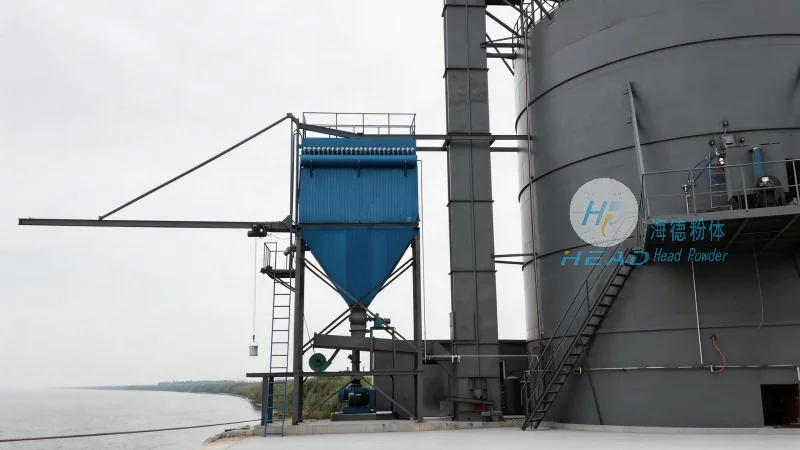
Introduction to Automatic Blending and Feeding Powder Pneumatic Conveying Systems
An automatic blending and feeding powder pneumatic conveying system is a sophisticated piece of equipment designed to handle, transport, blend, and feed bulk powder materials efficiently and reliably. These systems are widely used in industries such as pharmaceuticals, food processing, chemicals, and minerals, where precise control over powder flow and composition is critical. The system integrates multiple components, including feeders, conveyors, blending units, and control systems, to achieve seamless operation from raw material intake to final product discharge.
Key Components and Their Functions
The core components of an automatic blending and feeding powder pneumatic conveying system include the following:
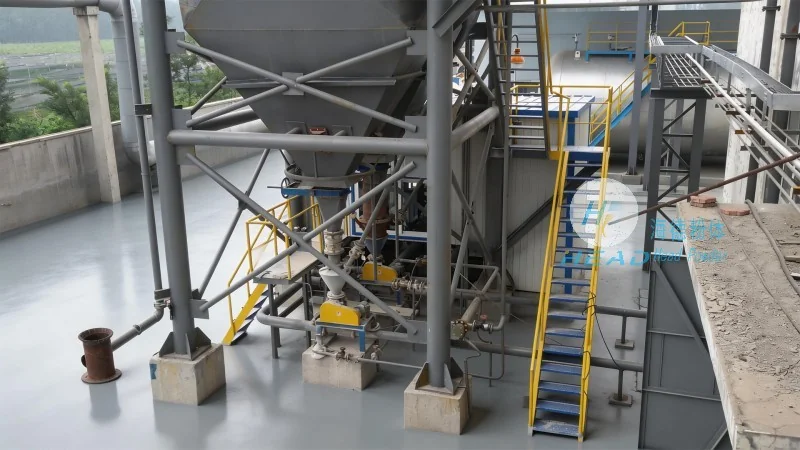
- Feeding Unit: This component is responsible for the initial intake of powder from storage silos or hoppers. It ensures a consistent and controlled flow of material into the system, preventing overloading or underfeeding which could affect the blending process.
- Pneumatic Conveying System: This is the heart of the system, utilizing air pressure to transport powder particles through pipelines. The conveying method can be either positive pressure (where air pushes the powder) or negative pressure (where air pulls the powder), depending on the application requirements and material characteristics.
- Blending Unit: The blending section is where different powder streams are combined to achieve the desired mixture ratio. Advanced systems may incorporate multiple blending chambers or dynamic mixing mechanisms to ensure homogeneity, which is crucial for applications requiring precise ingredient proportions.
- Control System: A sophisticated control system monitors and regulates all operational parameters, including flow rates, pressure, and blending ratios. This ensures that the system operates within optimal conditions, maintaining product quality and process efficiency.
Design Principles for Optimal Performance
The design of an automatic blending and feeding powder pneumatic conveying system is based on several key principles to ensure reliability, efficiency, and safety:
1. Material Compatibility: The system's components are selected based on the specific properties of the powder being handled, such as particle size, moisture content, and abrasiveness. Materials like stainless steel or special alloys are often used to prevent material degradation and equipment wear.
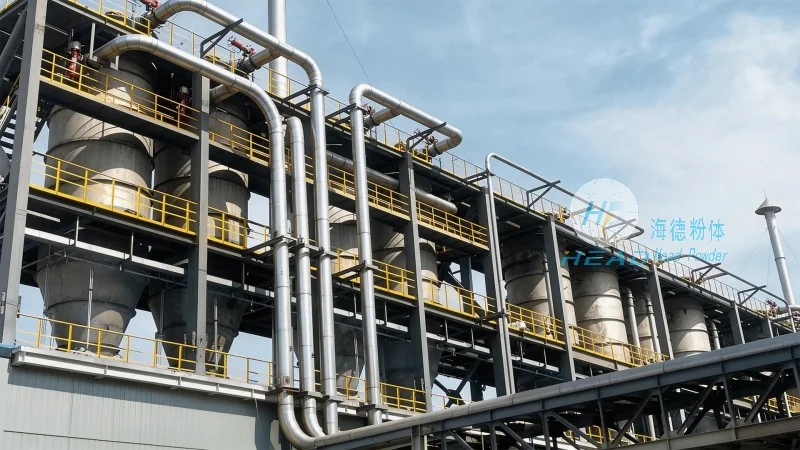
2. Flow Control and Uniformity: Precise control over the flow of powder is essential to achieve consistent blending. This is achieved through the use of variable speed feeders, pressure regulators, and flow meters, which ensure that each ingredient is added in the correct proportion.
3. Energy Efficiency: Modern designs prioritize energy efficiency by optimizing air pressure and flow rates. This reduces operational costs and minimizes environmental impact, making the system more sustainable for long-term use.
4. Safety and Maintenance: Safety features, such as pressure relief valves and emergency shut-off mechanisms, are integrated into the design to prevent accidents. Additionally, modular construction allows for easy maintenance and component replacement, reducing downtime and operational costs.
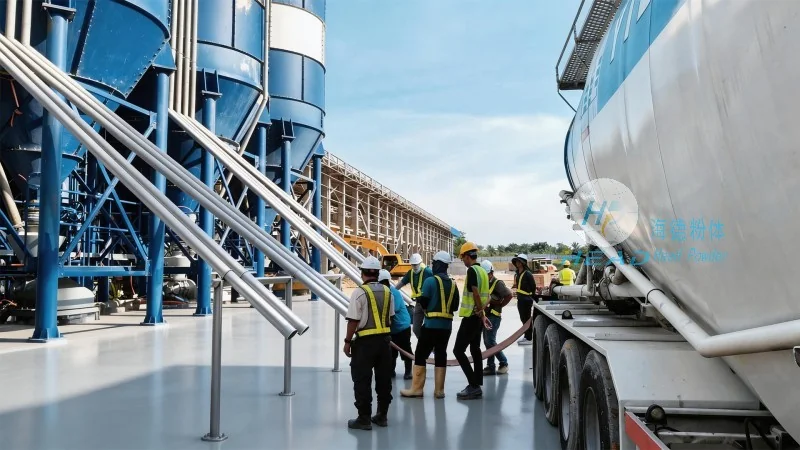
Applications and Benefits
Automatic blending and feeding powder pneumatic conveying systems offer numerous benefits across various industries:
- Enhanced Product Consistency: By ensuring precise blending ratios, these systems produce products with consistent quality, meeting stringent industry standards.
- Increased Operational Efficiency: Automated operation reduces the need for manual intervention, leading to higher throughput and lower labor costs.
- Improved Safety: The enclosed system design minimizes dust exposure and the risk of material contamination, creating a safer working environment.
- Flexibility and Scalability: These systems can be customized to handle a wide range of powder types and can be scaled up or down to accommodate changing production needs.
Conclusion
Automatic blending and feeding powder pneumatic conveying systems represent a significant advancement in powder handling technology, offering industries a reliable and efficient solution for managing bulk powder materials. By adhering to sound design principles and leveraging advanced control technologies, these systems ensure optimal performance, product quality, and operational efficiency. As a leading manufacturer, Shandong HeadPowder Engineering Co., Ltd. continues to innovate in this field, providing customized solutions that meet the unique needs of its clients.