

What is a Plug Flow Powder Pneumatic Conveying System and Its Design Principles?
For industries dealing with bulk powder handling, understanding advanced material transport technologies is crucial. Among these, the plug flow powder pneumatic conveying system stands out as a sophisticated solution for efficient and reliable powder transfer. This article delves into the concept of this system, its operational mechanics, and the core design principles that underpin its effectiveness.
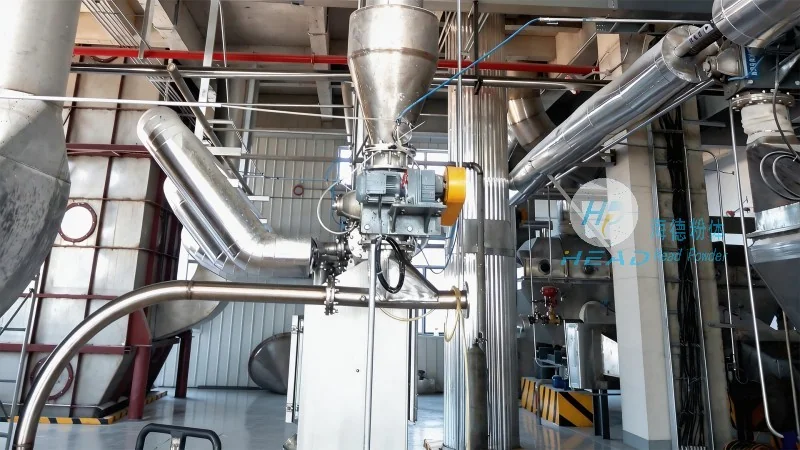
Introduction to Plug Flow Powder Pneumatic Conveying Systems
A plug flow powder pneumatic conveying system is a specialized method of transporting dry powders or granules through a pipeline using compressed air. Unlike traditional pneumatic conveying systems that rely on continuous air flow, this system operates by creating a "plug"—a dense, solid column of material that moves through the pipeline, separated from the air by a pressure boundary. This unique mechanism ensures minimal product degradation, reduced dust emissions, and enhanced control over the material flow rate.
Key Components of the Plug Flow System
The plug flow powder pneumatic conveying system consists of several critical components that work in tandem to achieve efficient material transport. These include:
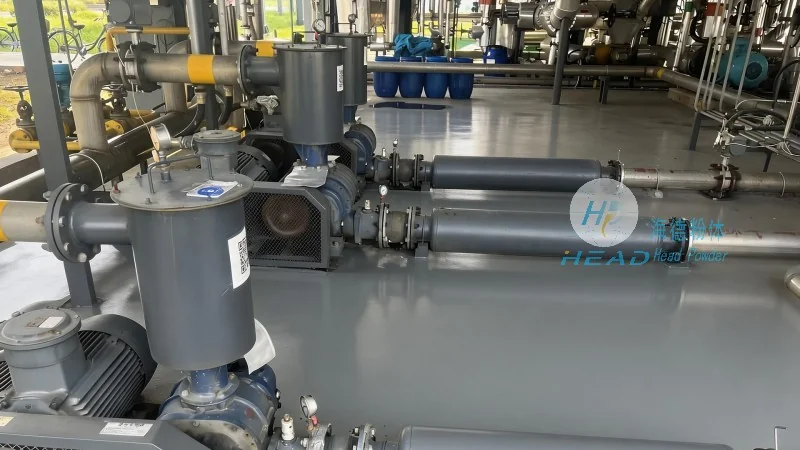
- Conveying Pipeline: A robust, often flexible or rigid, pipeline designed to withstand the pressure and material stresses. The pipeline is typically made of materials like stainless steel or special polymers to ensure durability and resistance to corrosion.
- Feeder Unit: This component is responsible for introducing the powder into the pipeline in a controlled manner. It may include a hopper, a rotary valve, or a screw feeder to ensure a consistent feed rate, preventing blockages and maintaining system stability.
- Compressor and Air Treatment: A high-pressure air compressor provides the necessary air pressure to generate the plug and move the material. The air is often treated to remove moisture, contaminants, and particulates, which helps maintain product quality and prevent pipeline clogging.
- Control Valves and Regulators: These components regulate the air pressure and flow within the system, ensuring that the plug formation is stable and the material transport is smooth. They may include pressure sensors, flow meters, and automated control systems to adjust parameters in real-time.
- Receiver or Discharge Unit: The system ends with a receiver where the conveyed powder is collected. This unit may include a hopper or a silo to store the material, and it is designed to maintain the pressure boundary and prevent material spillage.
Design Principles of Plug Flow Systems
The design of a plug flow powder pneumatic conveying system is guided by several fundamental principles aimed at optimizing performance, efficiency, and reliability. These principles include:
- Pressure Boundary Maintenance: The core principle is to maintain a stable pressure boundary between the plug of material and the air. This boundary is crucial for preventing the material from mixing with the air prematurely, which could lead to degradation or loss of product quality. The system is designed to keep the plug dense and intact throughout the conveying process.
- Material Flow Rate Control: Precise control over the feed rate is essential to ensure that the plug moves at a consistent speed. This is achieved through the feeder unit and control valves, which adjust the air pressure and material input to maintain a steady flow. Proper flow rate control minimizes the risk of blockages and ensures that the system operates within its design capacity.
- Air Consumption Optimization: Efficient use of compressed air is a key design consideration. The plug flow system is engineered to minimize air usage while still maintaining the necessary pressure to move the material. This not only reduces operational costs but also enhances energy efficiency.
- System Scalability and Flexibility: The design allows for easy scaling of the system to accommodate varying production needs. Whether for small-scale laboratory applications or large industrial operations, the plug flow system can be customized to meet specific requirements. This flexibility makes it suitable for a wide range of industries, including pharmaceuticals, food processing, and chemical manufacturing.
- Material Compatibility: The design takes into account the specific properties of the powder being conveyed, such as particle size, density, and moisture content. Materials like fine powders, cohesive powders, or those prone to agglomeration are handled with specialized components, such as high-capacity feeders or anti-caking devices, to ensure smooth transport.
Advantages of Plug Flow Powder Pneumatic Conveying Systems
Compared to traditional pneumatic conveying methods, plug flow systems offer several distinct advantages that make them a preferred choice for many industries:
- Reduced Product Degradation: The separation of material and air through the pressure boundary minimizes exposure to air, reducing the risk of oxidation, moisture absorption, or degradation of the powder.
- Lower Dust Emissions: The plug formation prevents dust from being entrained in the air, resulting in cleaner operation and reduced environmental impact.
- Enhanced Control and Precision: The system allows for precise control over the material flow rate and pressure, enabling accurate dosing and consistent product quality.
- Energy Efficiency: By optimizing air consumption and maintaining stable pressure, plug flow systems are more energy-efficient than other pneumatic conveying methods.
- Versatility: The system can handle a wide range of powder types, including fine, cohesive, or abrasive materials, making it suitable for diverse applications.
Applications in Various Industries
The plug flow powder pneumatic conveying system is widely used across multiple industries due to its versatility and efficiency. Some common applications include:
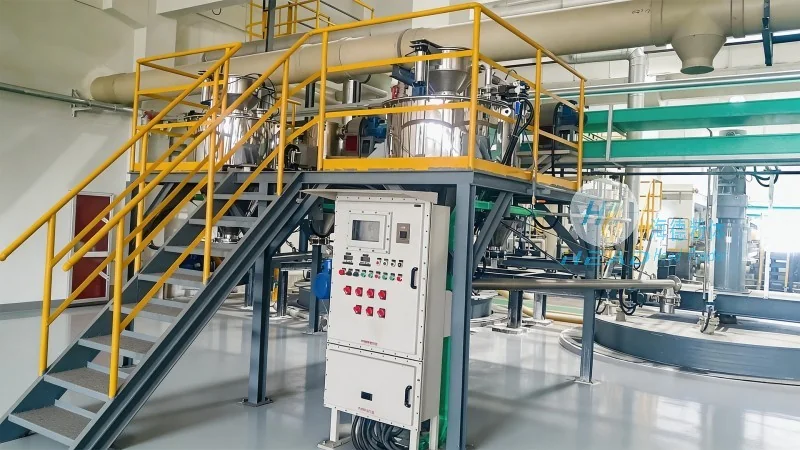
- Pharmaceutical Industry: For transporting active pharmaceutical ingredients (APIs), excipients, and other fine powders with strict quality control requirements.
- Food Processing: Handling dry food products like flour, sugar, and spices, ensuring hygiene and preventing contamination.
- Chemical Manufacturing: Conveying chemicals, pigments, and other powders in industrial processes, where precise control and minimal degradation are essential.
- Mineral and Mining: Transporting bulk minerals and ores from processing plants to storage or further processing facilities.
- Polymer and Plastics: Handling raw materials and finished products in manufacturing lines, ensuring consistent quality and reducing downtime.
Conclusion
The plug flow powder pneumatic conveying system represents a significant advancement in bulk material handling technology. By leveraging the principles of pressure boundary maintenance and precise control, this system offers superior performance, efficiency, and reliability compared to traditional methods. For industries seeking to optimize their powder transport processes, understanding and implementing plug flow systems can lead to improved product quality, reduced operational costs, and enhanced overall productivity.
As a leading provider in this field, Shandong HeadPowder Engineering Co., Ltd. specializes in designing and manufacturing plug flow powder pneumatic conveying systems tailored to the specific needs of various industries. With a focus on innovation and quality, the company ensures that its systems meet the highest standards of performance and durability, helping clients achieve their material handling goals effectively and efficiently.