

What is a Straw Ash Powder Pneumatic Conveying System? What are its Design Principles?
Straw ash, a byproduct of agricultural and biomass combustion processes, often requires efficient handling and transportation for recycling or disposal. The straw ash powder pneumatic conveying system is a specialized solution designed to manage these fine particles with precision and reliability. This article explores the fundamental concepts of such a system and delves into its core design principles, highlighting the technology's importance in modern waste management and material handling.
Understanding the Straw Ash Powder Pneumatic Conveying System
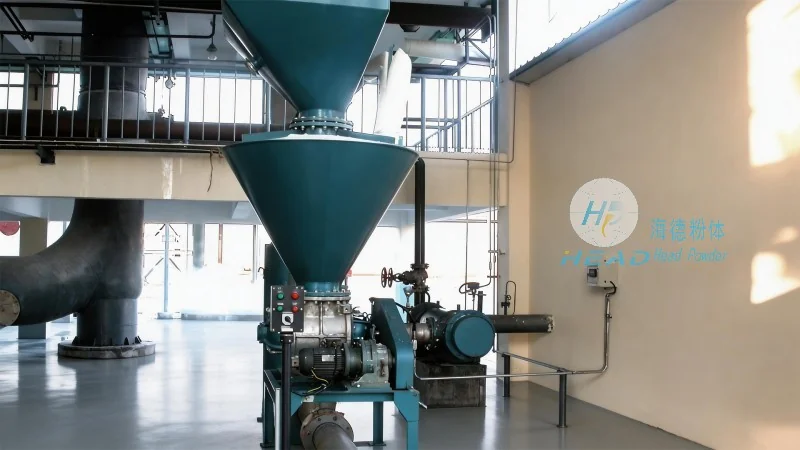
At its core, a straw ash powder pneumatic conveying system is a method of transporting dry, powdery materials like straw ash through a pipeline using air pressure. Unlike traditional mechanical systems that rely on belts or buckets, pneumatic conveyors use compressed air to move the material, making them ideal for handling fine, dusty particles that are prone to clogging or degradation in mechanical systems. The system typically consists of a hopper for material storage, a blower or compressor to generate airflow, a pipeline network to transport the material, and a receiver or discharge point where the material is deposited.
Key Components of the System
The effectiveness of a straw ash powder pneumatic conveying system hinges on its key components, each playing a critical role in the overall operation. The primary components include:
1. Hopper and Feeder: The hopper serves as the storage container for straw ash, ensuring a consistent supply of material. The feeder, often a rotary valve or screw feeder, controls the flow rate of the material into the system, preventing overloading and maintaining steady operation. This component is crucial for maintaining the system's efficiency and preventing material buildup.
2. Blower or Compressor: This is the heart of the pneumatic system, responsible for generating the necessary air pressure to move the straw ash particles. The choice between a blower and a compressor depends on the system's requirements, such as the distance of transport and the volume of material. For straw ash, which is typically light and fine, a blower is often preferred due to its lower energy consumption and suitability for handling dusty materials.
3. Pipeline Network: The pipeline is the conduit through which the straw ash and air mixture travels. It must be constructed from materials resistant to corrosion and abrasion, as straw ash can be abrasive and may contain acidic components from combustion. Common materials include stainless steel, polyethylene, or PVC, depending on the specific application and environmental conditions.
4. Receiver and Discharge Point: The receiver is where the straw ash is deposited after being conveyed. It may include a dust collector or filter to capture any fine particles that escape the pipeline, ensuring compliance with environmental regulations and maintaining air quality. The discharge point is designed to release the material in a controlled manner, preventing spillage and ensuring safe handling.
Design Principles for Efficient Operation
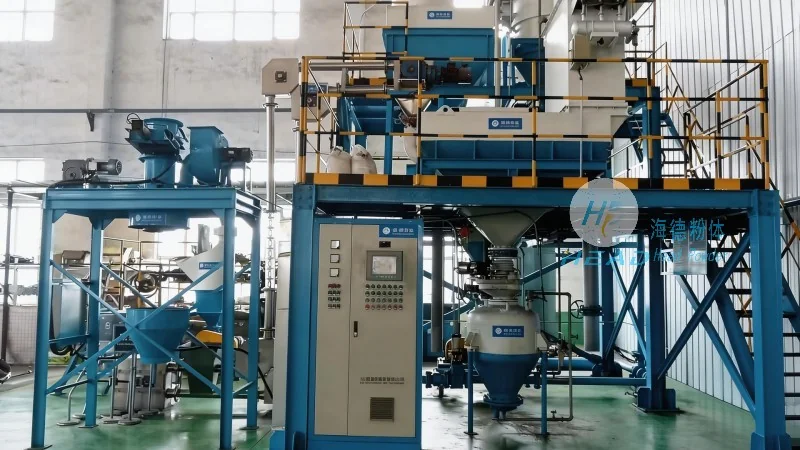
The design of a straw ash powder pneumatic conveying system follows several key principles to ensure optimal performance, reliability, and cost-effectiveness. These principles are tailored to the unique characteristics of straw ash, such as its fine particle size, low bulk density, and potential for dust generation.
1. Air Velocity and Particle Size: The air velocity within the pipeline must be sufficient to lift and transport the straw ash particles without causing excessive wear on the system components. The relationship between air velocity and particle size is critical; higher velocities are required for finer particles to prevent settling or clogging. Engineers typically calculate the minimum air velocity needed based on the material's terminal velocity and the pipeline diameter.
2. System Sizing and Pressure Drop: Proper sizing of the blower, pipeline diameter, and length is essential to minimize energy consumption and maintain system efficiency. The pressure drop across the pipeline is a key factor, as it determines the energy required to move the material. Designers use empirical formulas and computational fluid dynamics (CFD) simulations to optimize the system's dimensions and ensure that the blower can handle the required pressure without excessive wear.
3. Material Compatibility: The system's components must be compatible with straw ash, which can be abrasive and may contain corrosive substances. Materials like stainless steel, high-density polyethylene, or specialized coatings are used to protect against wear and corrosion. Additionally, the system's design should minimize the risk of material buildup, as this can lead to blockages and system failure.
4. Environmental Considerations: Modern pneumatic conveying systems for straw ash must comply with environmental regulations regarding dust emissions. The design often includes dust collection and filtration systems to capture fine particles before they are released into the atmosphere. This not only ensures compliance but also improves air quality and reduces the risk of respiratory issues for personnel handling the material.
Applications and Benefits
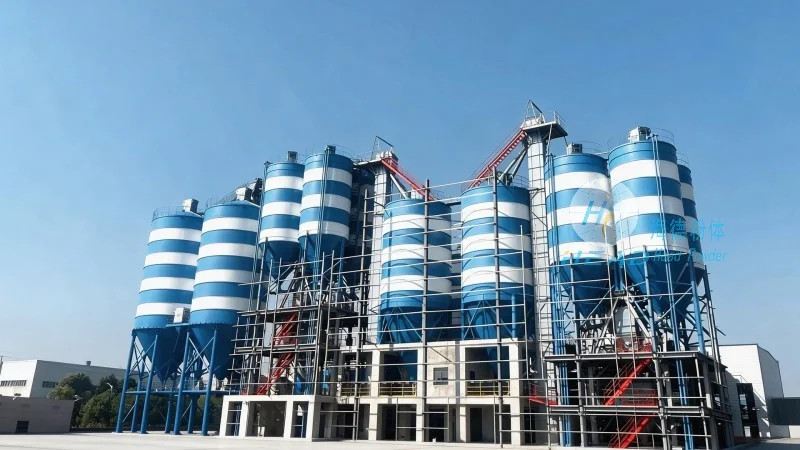
The straw ash powder pneumatic conveying system is widely used in various industries, including agriculture, waste management, and power generation. Its primary benefits include:
1. Efficient Material Handling: The system allows for the rapid and continuous transport of straw ash, reducing labor costs and improving operational efficiency. Unlike manual or mechanical systems, pneumatic conveyors can handle large volumes of material over long distances with minimal maintenance.
2. Reduced Downtime: By minimizing the risk of blockages and wear, the system ensures consistent operation, reducing downtime and increasing productivity. The use of abrasion-resistant materials and proper system design helps to extend the lifespan of components, lowering long-term maintenance costs.
3. Environmental Compliance: The inclusion of dust collection and filtration systems ensures that the system operates within environmental regulations, protecting both the environment and personnel from dust exposure. This is particularly important for straw ash, which can contain harmful particulates.
4. Space Efficiency: Pneumatic conveying systems are compact and can be installed in tight spaces, making them suitable for facilities with limited room for material handling equipment. The pipeline can be routed along walls or under floors, optimizing the use of available space.
Conclusion
The straw ash powder pneumatic conveying system is a sophisticated and efficient solution for handling fine, dusty materials like straw ash. By understanding its core components and design principles, users can select and operate a system that maximizes performance, reliability, and environmental compliance. As the demand for sustainable waste management and material recycling grows, such systems will continue to play a vital role in modern industrial operations. For those seeking to implement or upgrade their straw ash handling processes, consulting with experts like Shandong HeadPowder Engineering Co., Ltd. can provide the necessary guidance and support to ensure optimal system performance.