

What is an Aluminum Dross Powder Pneumatic Conveying System? And What Are Its Design Principles?
Aluminum dross, a byproduct of aluminum smelting processes, presents significant handling challenges due to its fine particle size, abrasive nature, and moisture content. Efficient and reliable transportation of this material is critical for industrial operations. This article explores the aluminum dross powder pneumatic conveying system, detailing its design principles and operational advantages.
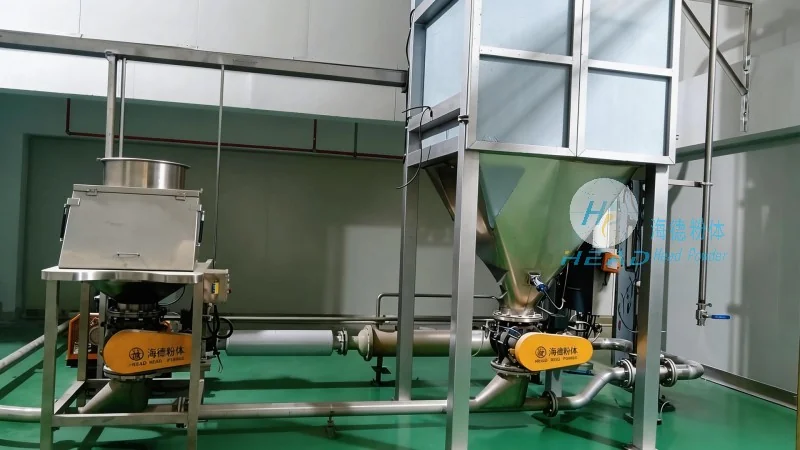
Understanding Aluminum Dross and Its Handling Requirements
Aluminum dross is a mixture of aluminum metal, aluminum oxide, and other impurities formed during the melting and refining of aluminum. Its fine particle size and high moisture content make traditional conveying methods like belt or screw conveyors impractical. The material is also prone to dust explosions and requires specialized equipment to ensure safe and efficient transport. Pneumatic conveying systems address these challenges by using air pressure to move the powder through a pipeline, minimizing material loss and contamination.
The Role of Pneumatic Conveying in Aluminum Dross Management
Pneumatic conveying technology offers a solution to the complexities of aluminum dross handling. By suspending the powder in an air stream, the system can transport it over long distances with minimal degradation. This method is particularly effective for abrasive and corrosive materials, making it ideal for aluminum dross processing. Compared to manual handling or open-air transport, pneumatic conveying reduces dust exposure and enhances workplace safety, aligning with industrial health and safety standards.
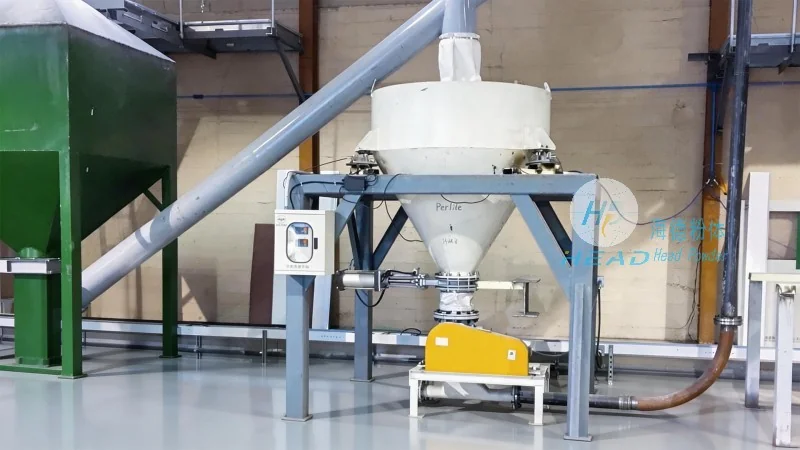
Design Principles of Aluminum Dross Powder Pneumatic Conveying Systems
The design of an aluminum dross powder pneumatic conveying system involves key components and principles tailored to the material's properties. The system typically includes a hopper for material storage, a blower or compressor to generate air pressure, a pipeline network for transport, and a receiver or discharge unit. The selection of components depends on factors such as particle size, moisture content, and the required distance/elevation changes for transport.
A critical design principle is the air-to-material ratio, which determines conveying efficiency. An optimal ratio ensures the powder is fully suspended, preventing blockages and maintaining consistent flow. Pipeline design, including bends, elbows, and expansion joints, minimizes pressure drop and ensures smooth transport. The system must also incorporate dust collection and filtration to comply with environmental regulations and protect equipment from wear.
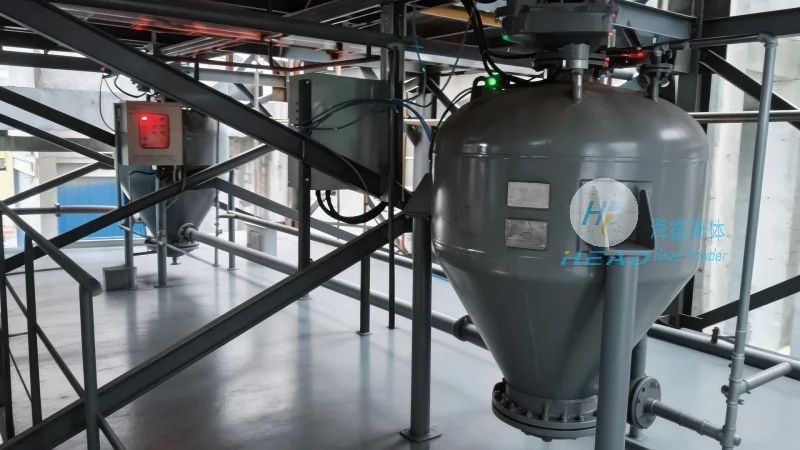
Key Components and Their Functions
The aluminum dross powder pneumatic conveying system from Shandong HeadPowder Engineering Co., Ltd. features advanced components optimized for aluminum dross handling. The hopper is designed with a sloped bottom to facilitate material flow and prevent clogging. The blower unit uses high-efficiency motors and variable speed controls to adjust air pressure and flow rate as needed. The pipeline system employs corrosion-resistant materials like stainless steel or specialized alloys to withstand the abrasive nature of aluminum dross and prevent material buildup.
The conveying line includes check valves and flow regulators to maintain consistent pressure and prevent backflow. The receiver or discharge unit is equipped with filters and dust collectors to capture fine particles and ensure air quality compliance. Safety mechanisms, such as pressure relief valves and overcurrent protection, are integrated to prevent equipment damage and ensure operator safety.
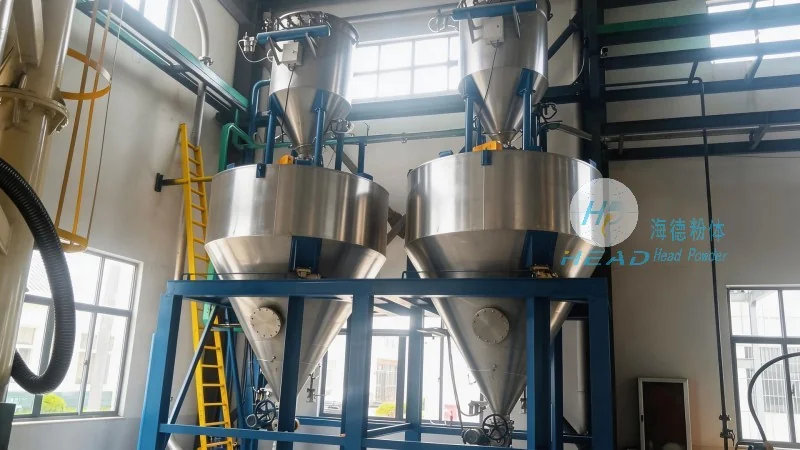
Operational Benefits and Performance Metrics
The system offers operational benefits including efficient material transfer from processing plants to storage or disposal facilities, reducing handling time and labor costs. It minimizes material loss and contamination, ensuring controlled handling. Workplace safety is enhanced by eliminating manual handling of fine powders and reducing dust exposure. Performance metrics include conveying capacity (adjustable based on flow rate and pipeline length), pressure drop across the pipeline, and air-to-material ratio. Regular maintenance, including filter cleaning and component checks, is essential to maintain optimal performance and extend system lifespan.
Applications and Industry Impact
The aluminum dross powder pneumatic conveying system is widely used in aluminum smelting and recycling industries. It is beneficial for processing plants requiring long-distance transport of large dross volumes. The system's ability to handle abrasive and corrosive materials makes it suitable for applications like dross recycling, waste management, and industrial material transfer. By implementing this technology, aluminum facilities improve operational efficiency, reduce costs, and enhance safety. The system also contributes to environmental sustainability by minimizing dust emissions and ensuring proper dross disposal. Its design principles and components are continuously optimized to meet evolving industry needs, ensuring long-term reliability and performance.