

What is a Dust Collector Powder Solids Pneumatic Conveying System? What are its Design Principles?
HeadPowder, a leading engineering firm based in Shandong, China, specializes in the design and implementation of advanced pneumatic conveying systems for handling dust collector powders. This article provides a comprehensive overview of what these systems are and the fundamental design principles that govern their operation.
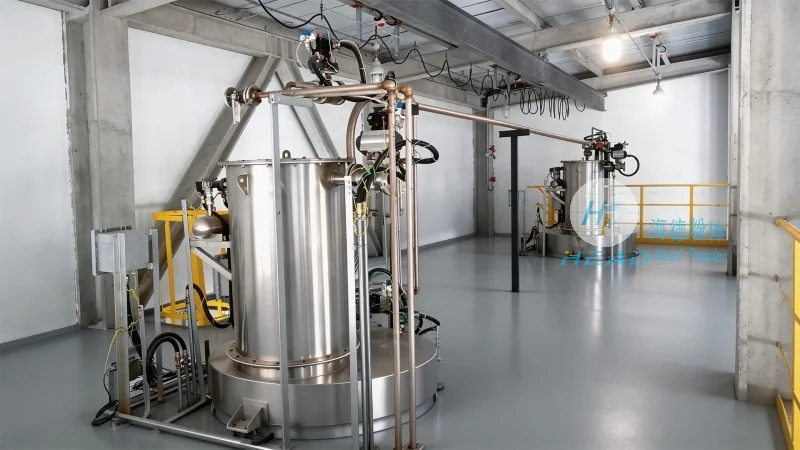
Understanding Pneumatic Conveying Systems for Dust Collector Powders
A pneumatic conveying system is a method of transporting bulk materials, such as dust collector powders, through a pipeline using pressurized air or vacuum. These systems are widely used in industrial applications due to their efficiency, flexibility, and ability to handle materials that are difficult to transport via traditional methods like belt conveyors or screw conveyors. The core components of a typical system include a dust collector, a conveying line, a blower or vacuum pump, and a discharge point.
Key Design Principles of Dust Collector Powder Solids Pneumatic Conveying Systems
The design of a pneumatic conveying system for dust collector powders involves several critical principles to ensure optimal performance, reliability, and material handling efficiency. These principles include:
1. **Material Characteristics Analysis**: Before designing the system, it is essential to analyze the physical and chemical properties of the dust collector powder. Factors such as particle size, density, moisture content, and flowability significantly impact the system's design. For example, fine powders may require higher air velocities to prevent clogging, while cohesive materials may need specialized equipment like rotary valves or airlocks to ensure smooth flow.
2. **System Classification**: Pneumatic conveying systems are generally classified into two main types: pressure and vacuum systems. Pressure systems use a positive pressure blower to push material through the pipeline, while vacuum systems use a vacuum pump to pull material from the source. The choice between these systems depends on the distance, elevation, and material characteristics. For dust collector powders, pressure systems are often preferred for short to medium distances due to their simplicity and lower maintenance requirements.
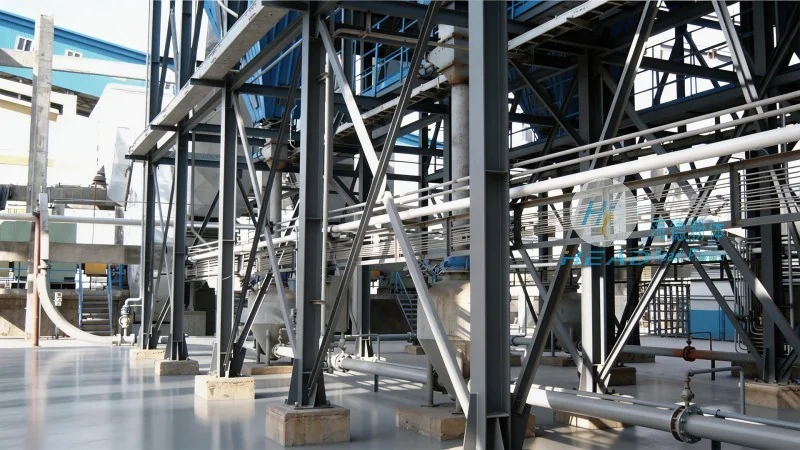
3. **Air Velocity and Pressure Considerations**: The air velocity within the conveying line is a critical parameter that affects the system's performance. Insufficient air velocity can lead to material deposition and blockages, while excessive velocity may cause excessive wear on the pipeline and equipment. The pressure drop across the system must also be carefully calculated to ensure that the blower or vacuum pump can provide adequate power to move the material. HeadPowder engineers use advanced computational fluid dynamics (CFD) and empirical formulas to determine the optimal air velocity and pressure for each application.
4. **Component Selection and Integration**: The selection of components, such as the blower, filters, and control valves, is crucial for the system's efficiency and longevity. The blower must be capable of providing the required pressure and airflow rate. Filters are used to remove dust from the air stream, protecting the equipment and ensuring compliance with environmental regulations. Control valves, including rotary airlocks and slide gates, regulate the flow of material into and out of the system, preventing backflow and maintaining consistent material flow rates.
Advantages of Using Pneumatic Conveying Systems for Dust Collector Powders
Implementing a pneumatic conveying system for dust collector powders offers several advantages over traditional material handling methods. These include:
1. **Reduced Downtime and Maintenance**: Pneumatic systems are generally more reliable and require less maintenance compared to mechanical conveyors. The absence of moving parts in the pipeline reduces the risk of wear and tear, leading to lower downtime and maintenance costs.
2. **Improved Material Handling Efficiency**: Pneumatic systems can handle a wide range of materials, including fine powders and cohesive substances, with high efficiency. The ability to transport materials over long distances without the need for intermediate storage or transfer points enhances overall process efficiency.
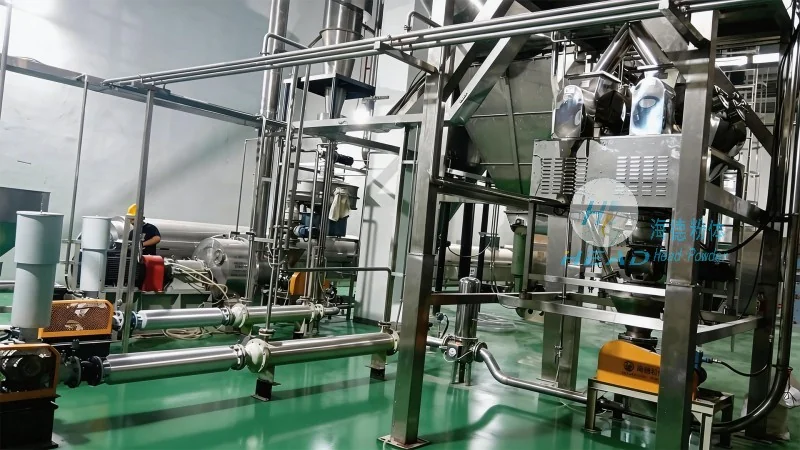
3. **Environmental Benefits**: By containing dust within a closed system, pneumatic conveying reduces dust emissions and improves workplace safety. This is particularly important for dust collector powders, which may contain hazardous or fine particles that pose health risks if released into the environment.
4. **Flexibility and Scalability**: Pneumatic systems can be easily expanded or modified to accommodate changes in production volume or material handling requirements. The modular design allows for the addition of new conveying lines or components without disrupting the entire system.
Applications of Dust Collector Powder Solids Pneumatic Conveying Systems
Dust collector powder solids pneumatic conveying systems are widely used in various industrial sectors, including:
1. **Cement and Concrete Industry**: In this industry, dust collector powders are often used as raw materials or additives. Pneumatic conveying systems efficiently transport these powders from storage silos to production lines, ensuring consistent quality and reducing material waste.
2. **Pharmaceutical and Food Processing**: For pharmaceutical and food applications, the use of pneumatic conveying systems is critical due to the need for clean and hygienic material handling. These systems prevent contamination and ensure that the powders are transported in a controlled environment.
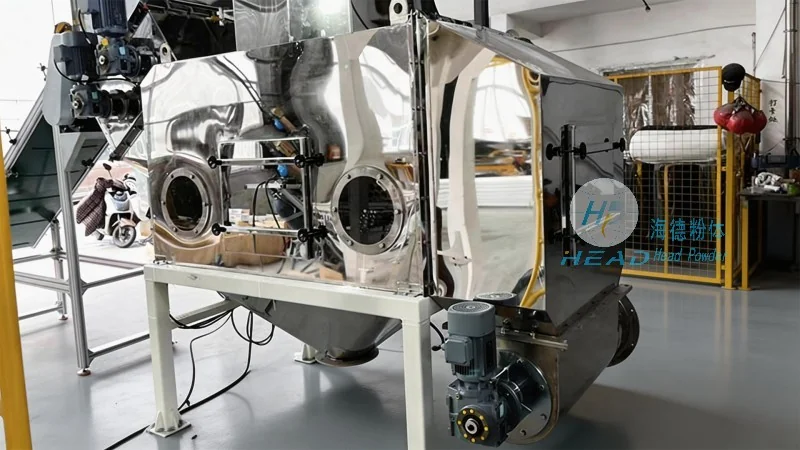
3. **Chemical Manufacturing**: Chemical plants often generate fine powders during the production process. Pneumatic conveying systems help in transporting these powders to storage or processing units, minimizing the risk of dust explosions and ensuring safe material handling.
4. **Mining and Mineral Processing**: In mining operations, dust collector powders may be byproducts or raw materials. Pneumatic systems are used to transport these materials from collection points to processing facilities, improving operational efficiency and safety.
About HeadPowder Engineering
HeadPowder Engineering Co., Ltd., headquartered in Shandong, China, is a reputable engineering firm specializing in the design, manufacturing, and installation of pneumatic conveying systems for industrial applications. With years of experience in the field, HeadPowder has developed a deep understanding of material handling challenges and provides tailored solutions to meet the specific needs of its clients.
The company's team of experienced engineers and technicians work closely with clients to assess their material handling requirements, conduct feasibility studies, and design customized pneumatic conveying systems. HeadPowder's commitment to quality and innovation has earned it a reputation as a trusted partner in the industry, providing reliable and efficient solutions for dust collector powder solids transportation.