

What is a Carbon Fiber Powder Pneumatic Conveying System? And What Are Its Design Principles?
Carbon fiber powder is a high-performance material widely used in aerospace, automotive, and sports equipment industries due to its exceptional strength-to-weight ratio and excellent thermal and electrical properties. The efficient handling and transportation of carbon fiber powders are critical for ensuring consistent quality and minimizing material loss during production processes. This article explores the carbon fiber powder pneumatic conveying system, its working principles, and the key design considerations that enable reliable material transport, developed by Shandong HeadPowder Engineering Co., Ltd., a leading manufacturer based in Shandong, China.
Introduction to Carbon Fiber Powder Pneumatic Conveying Systems
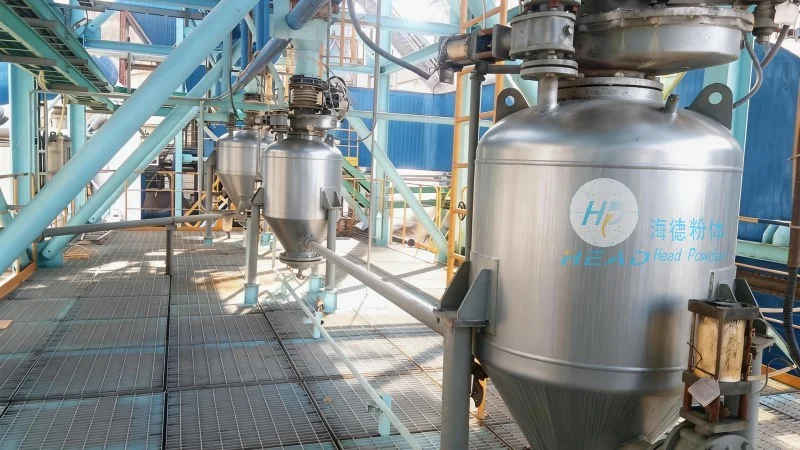
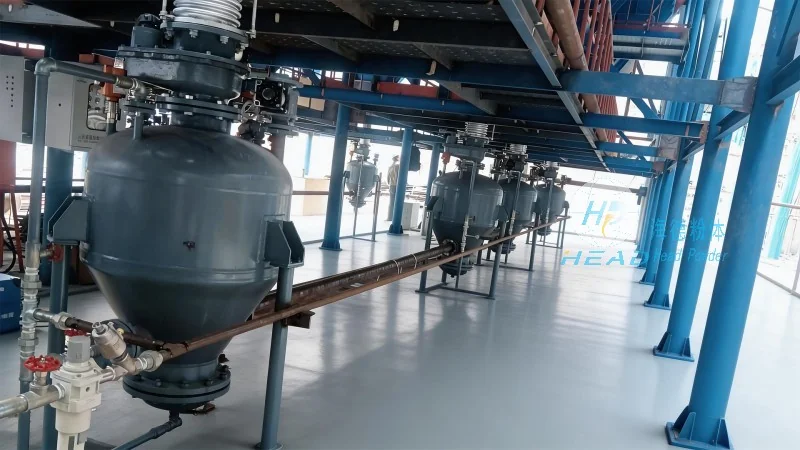
A carbon fiber powder pneumatic conveying system is a technology used to transport dry powders, including carbon fiber powders, through a pipeline using air or other gases as the conveying medium. Unlike traditional mechanical conveying methods, which rely on belts, screws, or buckets, pneumatic conveying systems use pressure or vacuum to move materials, making them ideal for handling fine, abrasive, or valuable powders like carbon fiber. The system typically consists of a material feed hopper, a conveying line, a control unit, and a discharge point. The core of the system is the air flow mechanism, which generates the necessary force to move the powder particles through the pipeline.
Key Components of a Carbon Fiber Powder Pneumatic Conveying System
The design of a carbon fiber powder pneumatic conveying system involves several critical components, each playing a vital role in the overall performance and efficiency of the system. The primary components include:
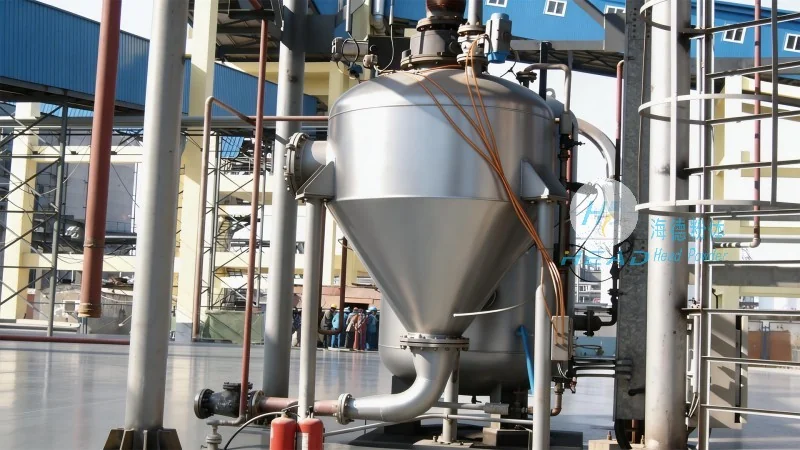
- Material Feed Hopper: This component holds the carbon fiber powder and provides a controlled feed rate into the conveying line. The hopper is often equipped with a rotary valve or a star feeder to ensure a consistent and uniform flow of powder, preventing blockages and maintaining stable conveying conditions.
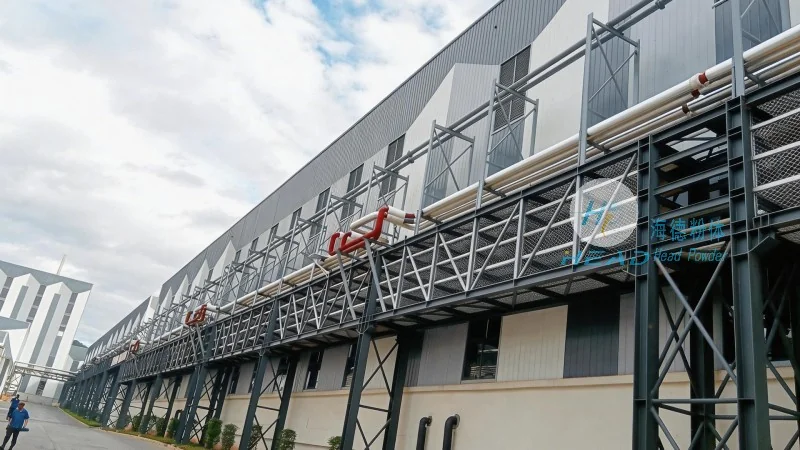
- Conveying Line: The pipeline through which the carbon fiber powder is transported. The material is suspended in the air stream and carried to the discharge point. The diameter and length of the pipeline are carefully selected based on the material characteristics and the required conveying distance. For carbon fiber powders, which are often abrasive and can cause wear, the pipeline is typically made of corrosion-resistant materials such as stainless steel or high-grade plastics.
- Air Supply Unit: This component generates the air or gas flow required for conveying. It can be a positive pressure system, where air is forced into the pipeline, or a negative pressure (vacuum) system, where air is drawn out of the pipeline. The air supply unit includes a blower or a vacuum pump, along with filters and regulators to ensure clean and controlled air flow. The air velocity and pressure are crucial parameters that determine the conveying capacity and efficiency of the system.
- Control Unit: The control unit monitors and regulates the operation of the pneumatic conveying system. It includes sensors to measure pressure, flow rate, and material level, as well as control valves to adjust the air supply and feed rate. The control unit ensures that the system operates within safe and efficient parameters, preventing overloading or under-conveying of the material.
- Discharge Point: The point where the carbon fiber powder is deposited at the destination. This can be a storage silo, a processing machine, or a mixing tank. The discharge point is designed to minimize material loss and ensure a smooth transfer of the powder from the pipeline to the receiving container.
Design Principles for Carbon Fiber Powder Pneumatic Conveying Systems
The design of a carbon fiber powder pneumatic conveying system must consider several factors to ensure optimal performance, reliability, and safety. The key design principles include:
- Material Characteristics: Carbon fiber powders are known for their high abrasiveness and low bulk density. These characteristics affect the conveying velocity and the wear on the system components. The design must account for the particle size distribution, moisture content, and flowability of the powder to select appropriate conveying velocities and pipeline dimensions.
- Conveying Velocity and Pressure: The conveying velocity is the speed at which the air flows through the pipeline, and it must be sufficient to keep the powder particles suspended and prevent deposition. The pressure or vacuum level in the system determines the flow rate and the distance over which the material can be conveyed. For carbon fiber powders, typical conveying velocities range from 20 to 50 meters per second, and the system pressure can vary from low to high depending on the application.
- System Configuration: The configuration of the pneumatic conveying system, whether it is a positive pressure, negative pressure, or a combination of both, depends on the application requirements. Positive pressure systems are commonly used for short-distance conveying and are easier to maintain, while negative pressure systems are suitable for long-distance or dusty environments. The system design must also consider the layout of the production facility and the location of the feed and discharge points.
- Material Handling and Wear Resistance: Carbon fiber powders are abrasive and can cause significant wear on the conveying line and other components. The design must incorporate wear-resistant materials, such as stainless steel, ceramic liners, or high-grade plastics, to extend the system's lifespan and reduce maintenance costs. Additionally, the system should be designed to minimize particle impact and friction, which can degrade the material quality and increase wear.
- Energy Efficiency: The energy consumption of the pneumatic conveying system is a critical factor in its overall cost-effectiveness. The design should aim to minimize energy usage by optimizing the air flow rate, reducing pipeline friction, and using efficient air supply units. Energy-saving measures, such as variable frequency drives (VFDs) for the blower and pressure sensors to adjust the air supply, can significantly improve the system's efficiency.
Applications and Benefits of Carbon Fiber Powder Pneumatic Conveying Systems
Carbon fiber powder pneumatic conveying systems are widely used in various industries due to their ability to handle fine, abrasive, and valuable powders efficiently. The primary applications include:
- Aerospace Industry: Carbon fiber powders are used in the production of aircraft components, such as fuselage panels and engine parts. The pneumatic conveying system ensures that the powder is transported to the mixing and molding processes without contamination or loss, maintaining the high quality required for aerospace applications.
- Automotive Industry: In the automotive sector, carbon fiber powders are used to manufacture lightweight and high-strength parts, such as car bodies and interior components. The system helps in the efficient transport of the powder to the composite manufacturing lines, reducing production time and material waste.
- Sports Equipment Manufacturing: Carbon fiber powders are used in the production of sports equipment, including tennis rackets, bicycle frames, and golf clubs. The pneumatic conveying system ensures that the powder is delivered to the mixing and molding processes with consistent quality, enhancing the performance of the final products.
- Electronics and Electrical Industry: Carbon fiber powders are used in the production of electrodes, conductive composites, and other electronic components. The system helps in the precise handling and transport of the powder, ensuring that the final products meet the required electrical and thermal properties.
The benefits of using a carbon fiber powder pneumatic conveying system include improved material handling efficiency, reduced material loss, enhanced product quality, and lower maintenance costs. The system's ability to handle fine and abrasive powders without contamination makes it an ideal solution for industries that require high-purity materials. Additionally, the system's flexibility allows for easy integration into existing production lines, minimizing downtime and improving overall operational efficiency.
Conclusion
A carbon fiber powder pneumatic conveying system is a sophisticated technology that enables the efficient and reliable transport of high-performance carbon fiber powders. The design of the system must consider the material characteristics, conveying requirements, and operational constraints to ensure optimal performance. By incorporating advanced components and design principles, such as wear-resistant materials, energy-efficient air supply units, and precise control systems, the system can meet the demanding requirements of various industries. The use of a carbon fiber powder pneumatic conveying system not only improves the efficiency of material handling but also contributes to the overall quality and cost-effectiveness of the production process.