

What is a Chloroprene Rubber Powder Pneumatic Conveying System? What Are Its Design Principles?
Chloroprene rubber powder pneumatic conveying systems represent a specialized technology designed to handle the transportation of chloroprene rubber powder efficiently and reliably. As a key component in the rubber processing industry, these systems are engineered to ensure the safe and effective movement of chloroprene rubber powder from storage to processing units. Understanding the fundamentals of such systems, including their design principles, is crucial for optimizing operational performance and maintaining product quality.
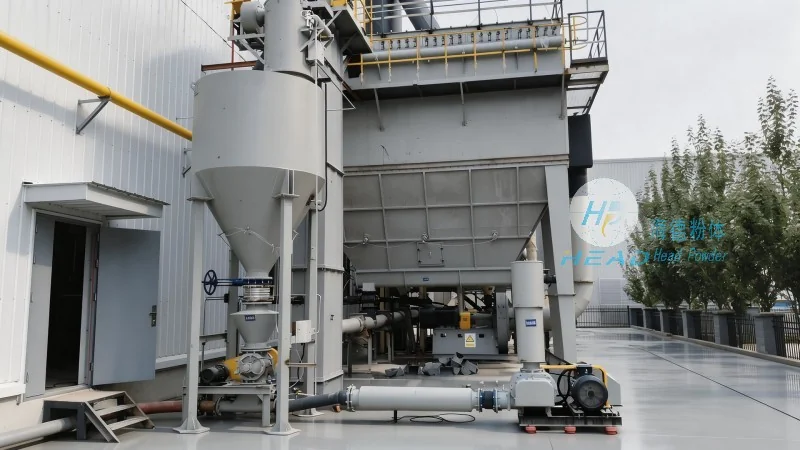
Overview of Chloroprene Rubber Powder Pneumatic Conveying Systems
At the core of chloroprene rubber powder pneumatic conveying systems is the ability to transport dry powder materials, specifically chloroprene rubber powder, through a pressurized or vacuum environment. The system typically consists of several key components, including a hopper for material storage, a conveying line (often equipped with ducts and fittings), a blower or vacuum pump to generate the necessary airflow, and a discharge point for the material. The design of these systems is tailored to the unique properties of chloroprene rubber powder, such as its particle size, density, and flow characteristics, ensuring that the material is conveyed without degradation or loss.
Key Design Principles for Efficient Conveying
The design principles of chloroprene rubber powder pneumatic conveying systems are centered on maximizing efficiency, minimizing material degradation, and ensuring system reliability. One of the primary principles is the selection of appropriate air velocity and pressure to maintain a stable flow of the powder. Excessive air velocity can lead to material degradation or equipment wear, while insufficient velocity may cause blockages or uneven flow. Engineers from Shandong HeadPowder Engineering Co., Ltd. carefully calculate the required air velocity based on the specific characteristics of the chloroprene rubber powder, such as particle size distribution and bulk density, to achieve optimal conveying performance.
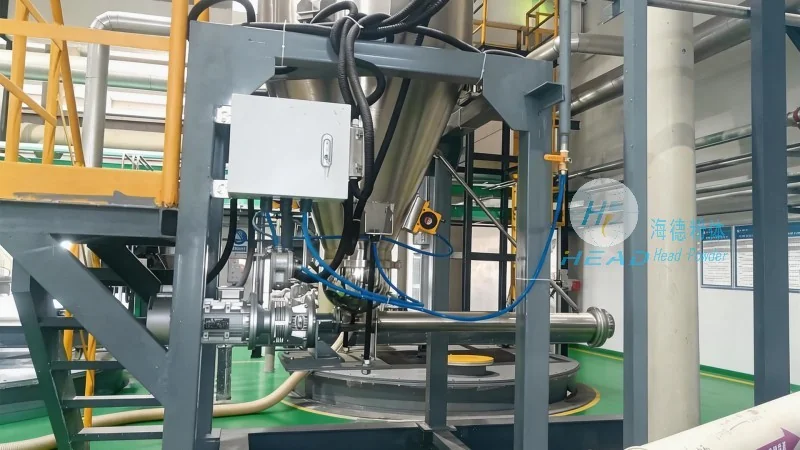
Another critical design principle is the prevention of material segregation and agglomeration. Chloroprene rubber powder can tend to segregate or form clumps during storage or transportation, which can disrupt the conveying process. To address this, systems often incorporate features like agitators or vibrators in the hopper to maintain a uniform material flow. Additionally, the use of smooth, non-stick surfaces in the conveying line and fittings reduces the likelihood of material buildup and ensures consistent airflow. The expertise of Shandong HeadPowder Engineering Co., Ltd. in material handling and pneumatic conveying technology allows them to implement these design principles effectively, resulting in systems that are both durable and efficient.
Components and Their Roles in the System
Each component of a chloroprene rubber powder pneumatic conveying system plays a vital role in the overall operation. The hopper serves as the primary storage vessel, providing a controlled environment for the chloroprene rubber powder. It is typically designed with a conical bottom to facilitate material discharge and may include a level indicator to monitor the material inventory. The conveying line, made from materials resistant to the chloroprene rubber powder and the air used, transports the material from the hopper to the discharge point. This line is often equipped with bends, elbows, and other fittings that are carefully designed to minimize pressure loss and maintain consistent airflow.
The blower or vacuum pump is the heart of the system, generating the pressure or vacuum required to move the powder through the line. The choice of equipment depends on the system's capacity and the specific requirements of the chloroprene rubber powder. For example, a positive displacement blower may be used for high-pressure applications, while a centrifugal fan might be suitable for lower pressure needs. The discharge point, which can be a rotary valve or a venturi, controls the release of the chloroprene rubber powder into the processing unit. Properly designed discharge points prevent material backflow and ensure a smooth transition from the conveying line to the next stage of production.
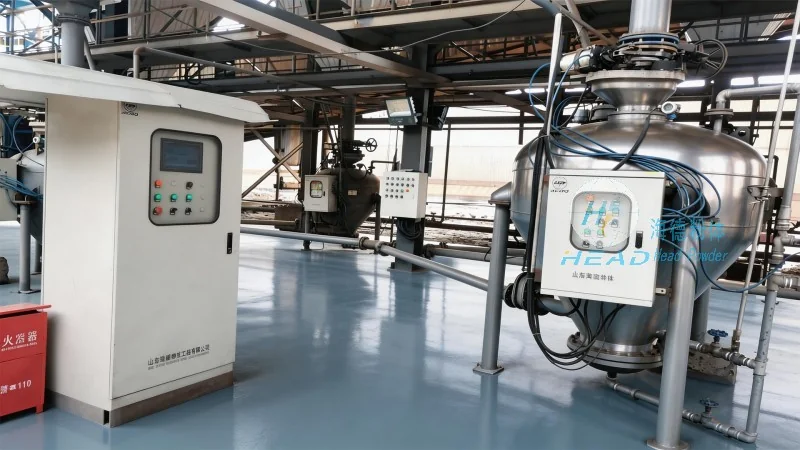
Benefits and Applications of Chloroprene Rubber Powder Pneumatic Conveying Systems
Implementing a chloroprene rubber powder pneumatic conveying system offers numerous benefits for manufacturers in the rubber industry. These systems enhance operational efficiency by reducing the time and labor required for material handling, as compared to traditional methods like bucket elevators or belt conveyors. They also minimize material loss and contamination, as the enclosed system prevents exposure to dust and environmental factors. Additionally, the ability to convey chloroprene rubber powder over long distances without the need for multiple transfer points makes these systems ideal for large-scale production facilities.
Shandong HeadPowder Engineering Co., Ltd., with its headquarters in Shandong, China, specializes in the design and manufacturing of advanced pneumatic conveying systems tailored to the needs of the rubber processing industry. Their expertise in material science and engineering allows them to develop systems that not only meet but exceed industry standards. By leveraging their knowledge of chloroprene rubber powder properties and pneumatic conveying principles, they provide solutions that enhance productivity, reduce downtime, and improve overall operational reliability. The company's commitment to quality and innovation ensures that their systems are built to last, providing long-term value to their clients.