

What are the types of nickel sulfate crystallization conveying methods? An introduction to the advantages and characteristics of pneumatic conveying for nickel sulfate crystallization
Nickel sulfate crystallization is a critical process in various industrial applications, such as battery production and chemical manufacturing. The efficient and reliable transportation of these crystalline materials from one stage to another is essential for maintaining production efficiency and product quality. Conveying methods for nickel sulfate crystallization vary, with each approach having its own set of advantages and limitations. This article explores the different types of conveying methods available and focuses on the benefits of pneumatic conveying, a popular choice for handling nickel sulfate crystals.
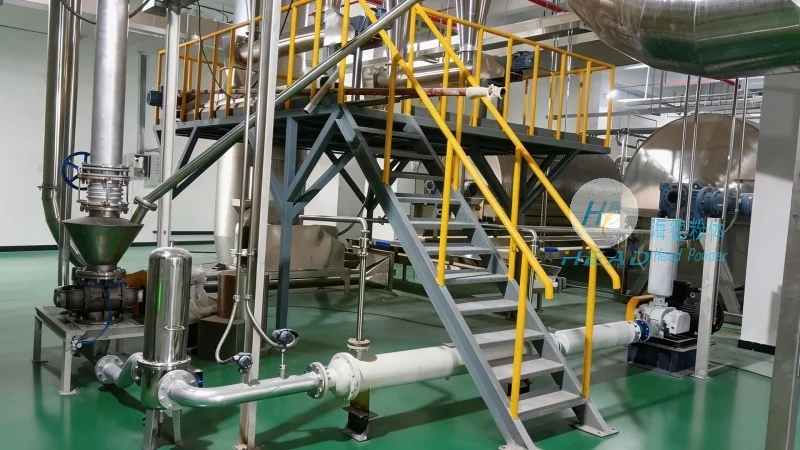
About HeadPowder: Your Trusted Partner in Material Handling Solutions
HeadPowder, a leading manufacturer based in Shandong, China, specializes in providing advanced material handling equipment and solutions tailored to the needs of the chemical and battery industries. With years of experience and a commitment to innovation, HeadPowder has established itself as a reliable supplier of high-quality conveying systems. The company’s expertise lies in designing and manufacturing equipment that ensures safe, efficient, and cost-effective material transport, including specialized solutions for handling nickel sulfate crystallization.
Common Conveying Methods for Nickel Sulfate Crystals
Before delving into the specifics of pneumatic conveying, it is important to understand the other common methods used for transporting nickel sulfate crystallization. These include:
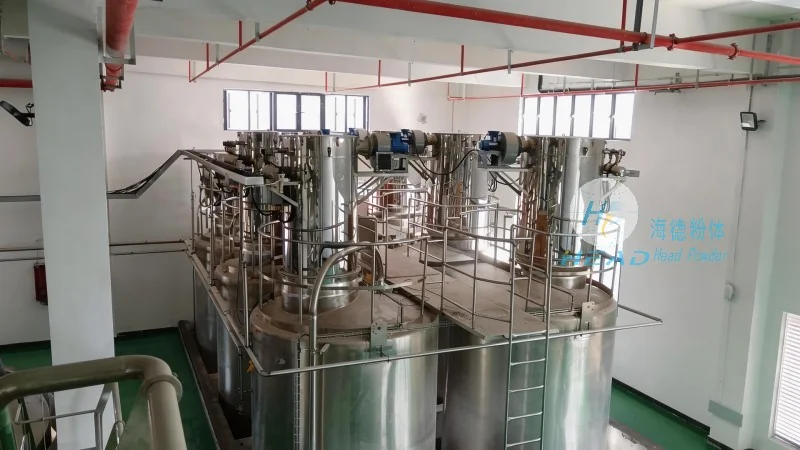
- Gravity Conveying: This method relies on the natural force of gravity to move materials from a higher elevation to a lower one. It is simple and low-cost but is limited by the need for a suitable slope and may not be suitable for long distances or steep inclines.
- Mechanical Conveying: Mechanical systems, such as belt conveyors, screw conveyors, and bucket elevators, use mechanical power to move materials. These systems are widely used in industrial settings but may require regular maintenance and can be less flexible in terms of layout.
- Pneumatic Conveying: This method uses air or gas to transport materials through a pipeline. It offers flexibility and can handle materials over long distances and varying elevations. Pneumatic conveying is particularly effective for handling powders and crystalline materials like nickel sulfate.
The Advantages of Pneumatic Conveying for Nickel Sulfate Crystallization
Pneumatic conveying has become a preferred method for transporting nickel sulfate crystallization due to several key advantages:
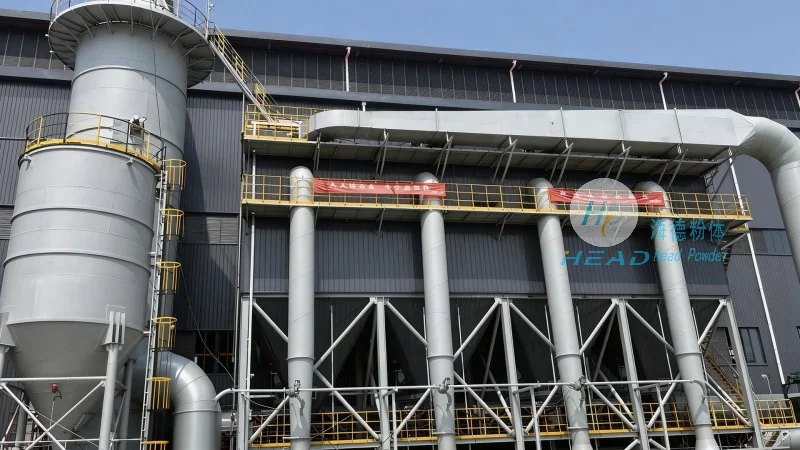
- High Efficiency and Speed: Pneumatic systems can transport materials quickly and efficiently, reducing processing time and increasing overall production throughput. The use of compressed air allows for rapid movement of crystalline materials from the crystallizer to the storage or processing areas.
- Safe and Contaminant-Free Transport: Unlike mechanical systems that may cause product contamination or damage to the crystals, pneumatic conveying minimizes the risk of physical contact. This ensures that the nickel sulfate crystals remain in their purest form, which is crucial for applications like battery production where purity is paramount.
- Flexibility in Layout: Pneumatic conveying systems can be easily adapted to different plant layouts, allowing for the integration of conveying lines in complex industrial environments. This flexibility enables manufacturers to optimize their production facilities without major structural changes.
- Reduced Downtime and Maintenance: Pneumatic systems typically have fewer moving parts compared to mechanical conveyors, resulting in lower maintenance requirements and reduced downtime. This translates to lower operational costs and increased reliability of the conveying process.
- Environmental Benefits: Pneumatic conveying can be designed to be more environmentally friendly by incorporating dust collection and filtration systems. This helps in maintaining a clean and safe working environment while complying with environmental regulations.
Application Examples of Pneumatic Conveying in Nickel Sulfate Production
HeadPowder’s pneumatic conveying systems have been successfully implemented in various nickel sulfate production facilities. For instance, in a battery manufacturing plant, the system was used to transport nickel sulfate crystals from the crystallizer to the drying and packaging units. The system’s ability to handle the crystalline material without causing breakage or contamination ensured high product quality and efficiency. Another application involved the transfer of nickel sulfate from the production line to a storage silo, where the system’s flexibility allowed for easy integration with existing infrastructure.
Conclusion: Choosing the Right Conveying Solution for Nickel Sulfate Crystallization
When selecting a conveying method for nickel sulfate crystallization, it is essential to consider factors such as material properties, production scale, and operational requirements. While gravity and mechanical conveying have their uses, pneumatic conveying offers significant advantages in terms of efficiency, safety, and flexibility. HeadPowder, with its expertise in material handling solutions, provides customized pneumatic conveying systems that meet the specific needs of nickel sulfate producers. By leveraging the benefits of pneumatic conveying, manufacturers can enhance their production processes, improve product quality, and reduce operational costs.