

Polytetrafluoroethylene (PTFE) Conveying Methods: An Overview of PTFE Pneumatic Conveying Advantages and Features
When it comes to transporting materials in industries that demand high purity and resistance to aggressive chemicals, polytetrafluoroethylene (PTFE) has emerged as a leading solution. Among the various conveying methods available, PTFE pneumatic conveying stands out due to its unique combination of durability, chemical inertness, and efficiency. This article delves into the different PTFE conveying methods, with a particular focus on the advantages and features of PTFE pneumatic conveying, while also highlighting the expertise of Shandong HeadPowder Engineering Co., Ltd. in this field.
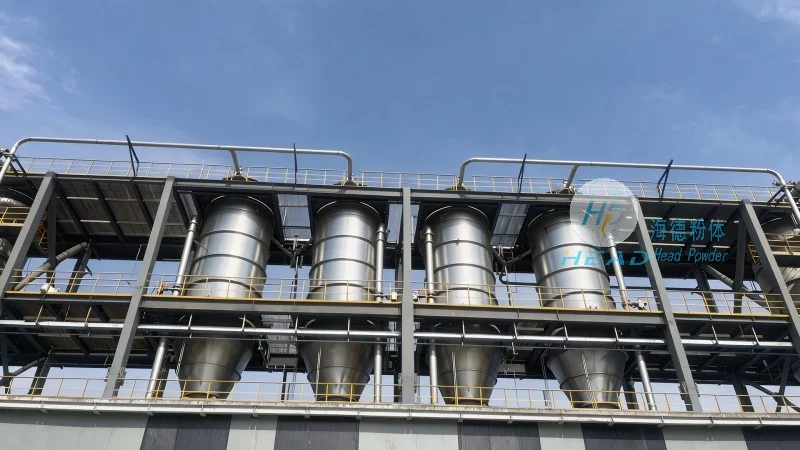
Understanding PTFE and Its Conveying Applications
Polytetrafluoroethylene, commonly known as PTFE, is a synthetic fluoropolymer renowned for its exceptional non-stick properties, chemical resistance, and thermal stability. These characteristics make PTFE an ideal material for handling a wide range of substances, including powders, granules, and fine particles, especially in environments where traditional materials may degrade or react with the conveyed media. The choice of conveying method is critical to ensure the integrity of the material and the longevity of the equipment. PTFE conveying methods can be broadly categorized into mechanical and pneumatic systems, each with its own set of advantages and limitations.
Pneumatic Conveying: The Preferred Method for PTFE
Pneumatic conveying, or air-based transport, involves the use of compressed air to move materials through a pipeline. This method is particularly suitable for PTFE due to its ability to withstand the rigors of high-pressure air and its resistance to abrasion and corrosion. The primary advantage of PTFE pneumatic conveying is its ability to handle materials that are sensitive to contamination or mechanical stress. Unlike mechanical systems that rely on moving parts, pneumatic conveying minimizes the risk of material degradation and equipment wear, making it a preferred choice for industries such as pharmaceuticals, food processing, and chemical manufacturing.
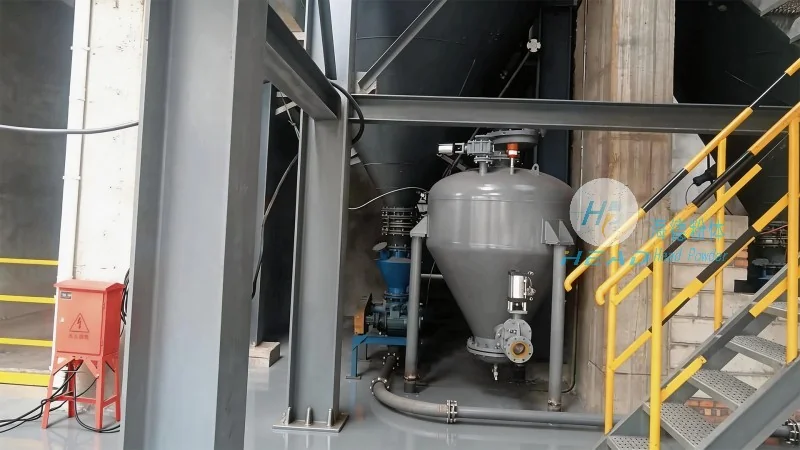
Key Advantages of PTFE Pneumatic Conveying
One of the most significant advantages of PTFE pneumatic conveying is its chemical inertness. PTFE is resistant to virtually all acids, bases, and solvents, ensuring that the conveyed material remains pure and free from contamination. This is particularly crucial in industries where product purity is non-negotiable, such as in the production of pharmaceuticals or high-purity chemicals. Additionally, PTFE's low coefficient of friction reduces the risk of material buildup and clogging, which can be common issues in traditional conveying systems. The smooth surface of PTFE components also minimizes particle attrition, preserving the integrity of the material being transported.
Efficiency and Versatility in PTFE Conveying
PTFE pneumatic conveying systems are designed to be highly efficient, with the ability to transport materials over long distances with minimal energy consumption. The use of compressed air allows for flexible system configurations, including vertical and horizontal conveying, as well as the integration of multiple processing steps. This versatility makes PTFE pneumatic conveying suitable for a wide range of applications, from small-scale laboratory operations to large-scale industrial production. The system's ability to handle both dry and wet materials further enhances its utility, making it a versatile solution for diverse industrial needs.
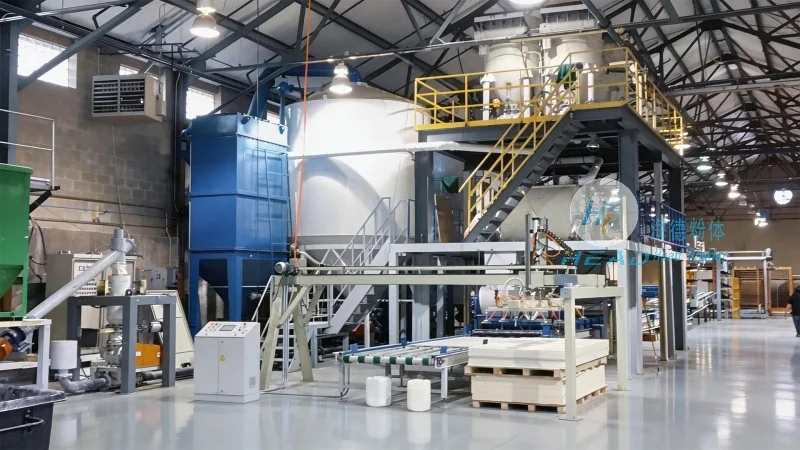
HeadPowder Engineering: Experts in PTFE Conveying Solutions
Shandong HeadPowder Engineering Co., Ltd., a leading manufacturer and supplier of PTFE conveying equipment, specializes in providing customized solutions tailored to the specific needs of their clients. With a deep understanding of the unique challenges associated with PTFE materials, HeadPowder Engineering has developed advanced PTFE pneumatic conveying systems that combine the best features of traditional pneumatic technology with the superior properties of PTFE. The company's commitment to quality and innovation has earned them a reputation as a trusted partner in the industry, offering solutions that enhance productivity, reduce maintenance costs, and ensure product purity.
Conclusion: The Future of PTFE Conveying
As industries continue to demand higher standards of material handling, PTFE pneumatic conveying remains a top choice for its reliability, efficiency, and ability to maintain product integrity. With the expertise of companies like Shandong HeadPowder Engineering Co., Ltd., the adoption of advanced PTFE conveying systems is becoming more accessible and effective. By leveraging the unique properties of PTFE and the efficiency of pneumatic systems, industries can achieve optimal performance while minimizing operational risks. The future of PTFE conveying lies in continued innovation and the integration of advanced materials and technologies, ensuring that PTFE remains a cornerstone of high-performance material transport.