

Hydroxide Powder Conveying Methods: An Overview of the Advantages and Features of Pneumatic Conveying for Sodium Hydroxide Powder
When it comes to the transportation of sodium hydroxide powder, selecting the right conveying method is crucial for ensuring efficiency, safety, and cost-effectiveness in industrial operations. As a leading provider in the field, Shandong HeadPowder Engineering Co., Ltd., based in China, specializes in delivering advanced solutions tailored to the unique needs of various industries. This article explores the primary methods of sodium hydroxide powder conveyance, with a particular focus on the benefits and characteristics of pneumatic conveying systems.
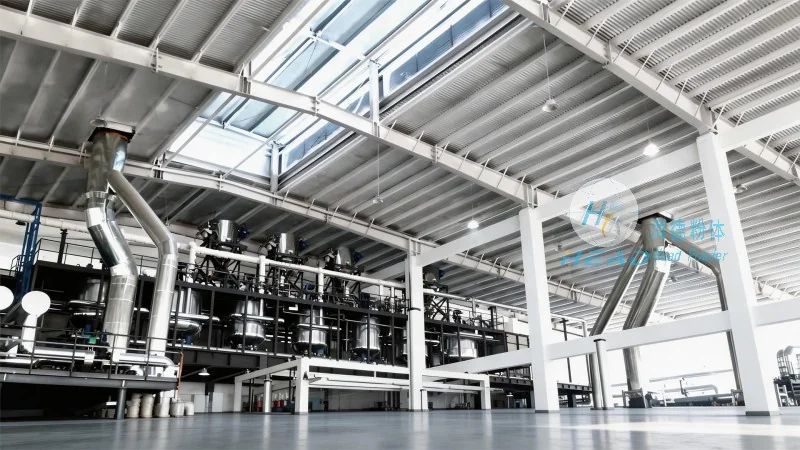
Common Conveying Methods for Sodium Hydroxide Powder
Before delving into the specifics of pneumatic conveying, it's essential to understand the conventional and alternative methods used for transporting sodium hydroxide powder. These methods include gravity flow, mechanical conveyors (such as belt conveyors and screw conveyors), and hydraulic systems. Each method has its own set of advantages and limitations, making the choice dependent on factors like material properties, distance, and operational requirements.
Gravity Flow Conveying
Gravity flow, or bulk material handling using inclined chutes, is a simple and cost-effective method for transporting sodium hydroxide powder over short distances. This approach relies on the natural force of gravity to move the material from a higher elevation to a lower one. While effective for certain applications, gravity flow has limitations, particularly when dealing with fine powders that may stick to the chute walls or when the required distance is longer than what can be practically achieved with a single incline. Additionally, it may not be suitable for vertical or steep incline applications, as the material's angle of repose and flow characteristics can impede smooth movement.
Mechanical Conveyors
Mechanical conveyors, including belt conveyors and screw conveyors, are widely used in industrial settings for transporting various powders, including sodium hydroxide. Belt conveyors utilize a continuous belt to move material horizontally or at a slight incline, while screw conveyors employ a rotating screw to push material forward. These systems are generally reliable and can handle large volumes of material. However, they have drawbacks, such as the need for regular maintenance, potential for material degradation due to friction, and limitations in handling fine or abrasive powders without causing wear and tear on the equipment. Moreover, mechanical conveyors may not be ideal for long-distance or vertical transport, as they can be costly and require significant space.
Hydraulic Conveying
Hydraulic conveying systems use fluid (usually water or a specialized slurry) to transport sodium hydroxide powder. The material is mixed with the fluid to form a slurry, which is then pumped through pipelines to the destination. This method is effective for long-distance transport and can handle large quantities of material. However, hydraulic conveying has several challenges, including the need for additional equipment to separate the fluid from the powder, potential for material contamination, and higher operational costs due to the energy required for pumping and the disposal of the used fluid. Furthermore, it may not be suitable for applications where the material needs to be handled dry or where the fluid could pose environmental or safety risks.
Pneumatic Conveying: The Preferred Solution for Sodium Hydroxide Powder
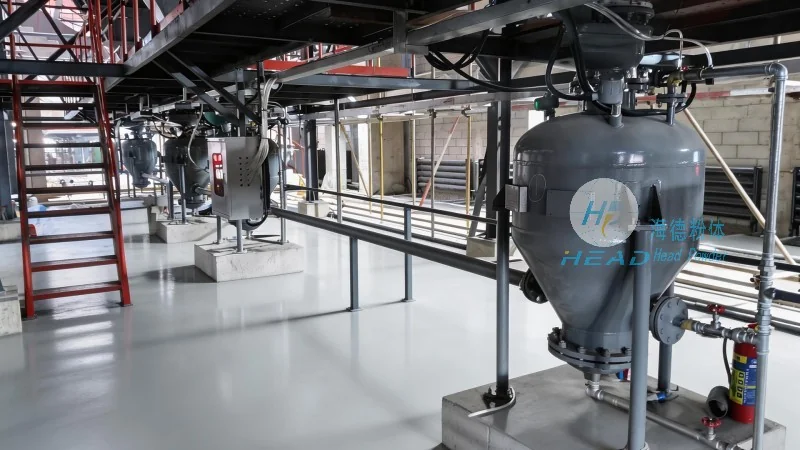
Among the various conveying methods, pneumatic conveying stands out as the most efficient and versatile solution for sodium hydroxide powder. Pneumatic systems use compressed air or other gases to transport the material through a pipeline, offering several advantages that make it ideal for industrial applications. Shandong HeadPowder Engineering Co., Ltd. specializes in designing and implementing advanced pneumatic conveying systems tailored to the specific requirements of sodium hydroxide powder handling.
Advantages of Pneumatic Conveying for Sodium Hydroxide Powder
One of the primary benefits of pneumatic conveying is its ability to handle fine powders without causing degradation or segregation. The high-velocity air stream in the pipeline ensures that the sodium hydroxide powder moves smoothly and consistently, preventing clogging or blockages that can occur with other methods. This is particularly important for sodium hydroxide, which is often a fine, abrasive powder that can be sensitive to handling. Pneumatic conveying also allows for the transport of material over long distances, including vertical lifts, without the need for intermediate storage or transfer points. This reduces the risk of material loss and contamination, ensuring that the powder remains in its original state throughout the conveying process.
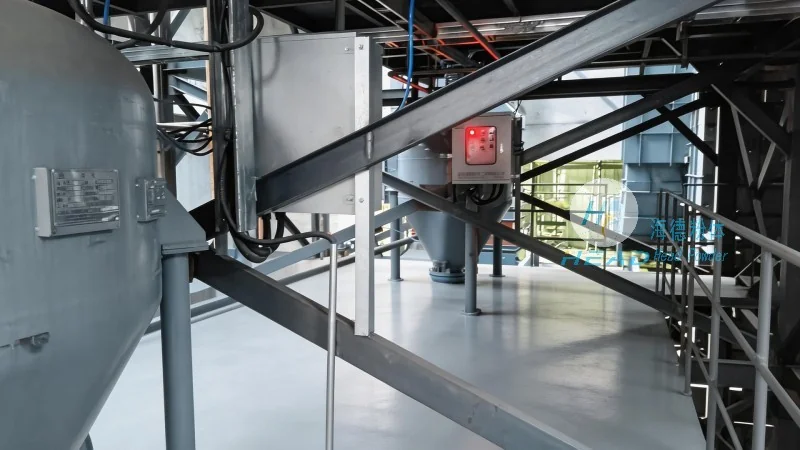
Another key advantage is the flexibility of pneumatic systems. They can be easily integrated into existing industrial setups and adapted to changing operational needs. For example, the conveying rate can be adjusted by modifying the air pressure or flow rate, allowing for precise control over the material's movement. This flexibility is crucial for industries that require variable production rates or need to handle different types of powders. Additionally, pneumatic conveying systems are generally low-maintenance compared to mechanical or hydraulic systems, as they have fewer moving parts and are less prone to wear and tear.
Key Features of Pneumatic Conveying Systems for Sodium Hydroxide Powder
Shandong HeadPowder Engineering Co., Ltd. designs pneumatic conveying systems with several key features that enhance their performance and reliability. These features include:
- Positive Displacement Pneumatic Conveying: This method uses a positive displacement pump to create a consistent flow of air, ensuring that the sodium hydroxide powder is transported at a steady rate. It is particularly effective for handling fine powders and can maintain a consistent pressure throughout the system.
- Pressure and Vacuum Conveying: Pneumatic systems can operate under both positive pressure (where air is forced into the pipeline) and negative pressure (where air is drawn out). This dual capability allows for flexible transport, including both forward and reverse movement of the material. For sodium hydroxide powder, positive pressure systems are commonly used to prevent dust emissions and ensure safe handling.
- Material Handling Flexibility: The systems can handle a wide range of powder characteristics, including different particle sizes, moisture content, and flowability. This makes them suitable for various applications, from small-scale laboratory use to large-scale industrial production.
- Environmental and Safety Benefits: Pneumatic conveying systems are designed to minimize dust emissions and prevent material contamination. The enclosed pipeline system reduces the risk of exposure to sodium hydroxide powder, which can be harmful if inhaled or come into contact with skin. Additionally, the systems can be equipped with safety features such as pressure relief valves and dust collection systems to ensure compliance with environmental regulations.
Conclusion: Choosing the Right Conveying Method for Sodium Hydroxide Powder
When selecting a conveying method for sodium hydroxide powder, it is essential to consider the specific requirements of the application, including material properties, distance, and operational constraints. While gravity flow, mechanical conveyors, and hydraulic systems have their uses, pneumatic conveying offers superior performance, flexibility, and safety features that make it the preferred choice for many industries. Shandong HeadPowder Engineering Co., Ltd., with its expertise in pneumatic conveying systems, provides tailored solutions that meet the unique needs of clients, ensuring efficient and reliable transportation of sodium hydroxide powder. By leveraging the advantages of pneumatic conveying, industries can enhance their operational efficiency, reduce costs, and maintain the quality of their sodium hydroxide powder throughout the conveying process.