

Weighing Feeder Pneumatic Conveying Equipment: What It Is and Its Design Principles
HeadPowder, a leading manufacturer based in Shandong, China, specializes in the design and production of advanced weighing feeder systems for pneumatic conveying of powders. This equipment is crucial in industries such as pharmaceuticals, food processing, and chemical manufacturing, where precise material handling and consistent flow control are essential. The weighing feeder, as a core component of pneumatic conveying systems, ensures accurate measurement and controlled feeding of bulk powders, enhancing operational efficiency and product quality.
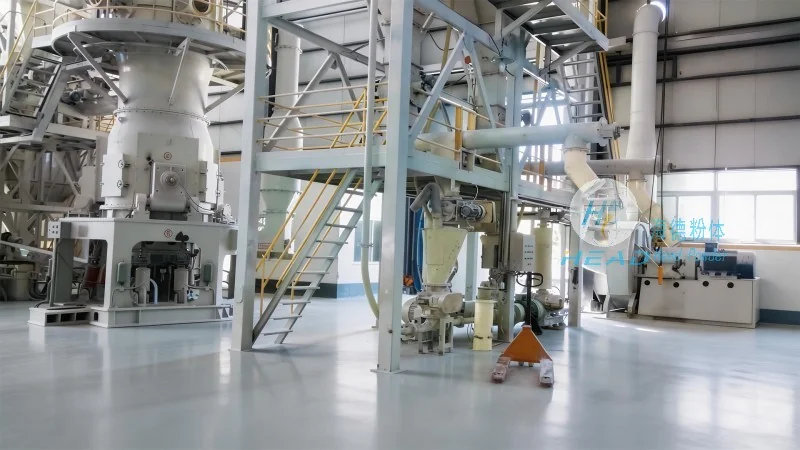
What Is a Weighing Feeder Pneumatic Conveying System?
A weighing feeder is an integrated device that combines a weighing mechanism with a pneumatic conveying system to deliver powders with high accuracy. It typically consists of a hopper, a load cell or other weighing sensor, a feeder mechanism (like a rotary valve or screw feeder), and a pneumatic conveying line. The system operates by weighing the material in the hopper and adjusting the feeder speed to maintain a constant flow rate, ensuring that the target weight is delivered to the downstream process. This setup is particularly useful for applications requiring precise dosing, such as blending, packaging, or chemical reactions where exact material quantities are critical.
Key Design Principles of the Equipment
The design of a weighing feeder pneumatic conveying system is guided by several fundamental principles to ensure reliability and performance. First, the weighing mechanism must be highly accurate and responsive, capable of detecting even small changes in material weight. Load cells or strain gauges are commonly used for this purpose, providing real-time data on the material mass in the hopper. Second, the feeder mechanism must be capable of controlling the flow rate precisely, often through variable speed drives or adjustable valves. This allows the system to maintain a consistent flow rate regardless of variations in material density or bulk density. Third, the pneumatic conveying system must be designed to handle the specific properties of the powder, such as particle size, moisture content, and flowability. This includes selecting appropriate air velocities, conveying line diameters, and filter systems to prevent blockages and ensure smooth material transport. Additionally, the system must be equipped with safety features, such as overload protection and emergency shut-off valves, to prevent accidents and equipment damage.
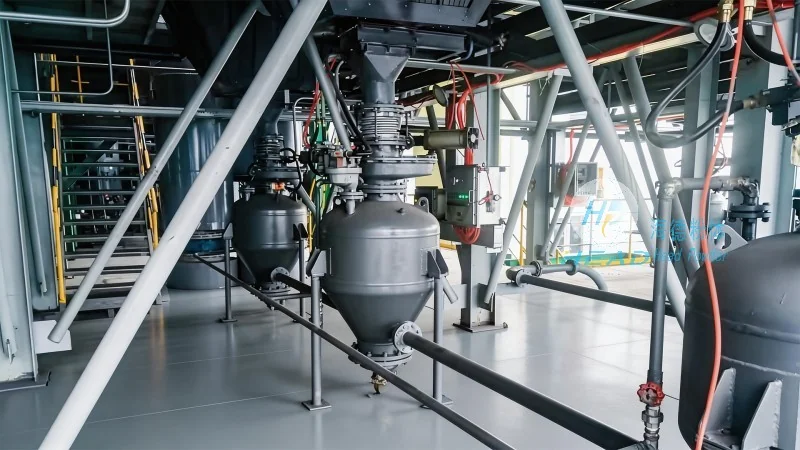
How the Equipment Works in Practice
In practical applications, the weighing feeder operates by first filling the hopper with the bulk powder. The load cell continuously measures the weight of the material in the hopper. When the target weight is reached, the feeder mechanism starts to discharge the material into the pneumatic conveying line. The air compressor then generates the necessary pressure to transport the powder through the line to the destination, such as a mixer, packaging machine, or storage silo. The system adjusts the feeder speed in real-time to maintain the desired flow rate, ensuring that the exact amount of material is delivered. For example, in a pharmaceutical manufacturing plant, the weighing feeder might be used to dose active ingredients into a blending machine with a precision of ±0.1% of the target weight. This level of accuracy is critical to ensure the final product meets regulatory standards and quality specifications.
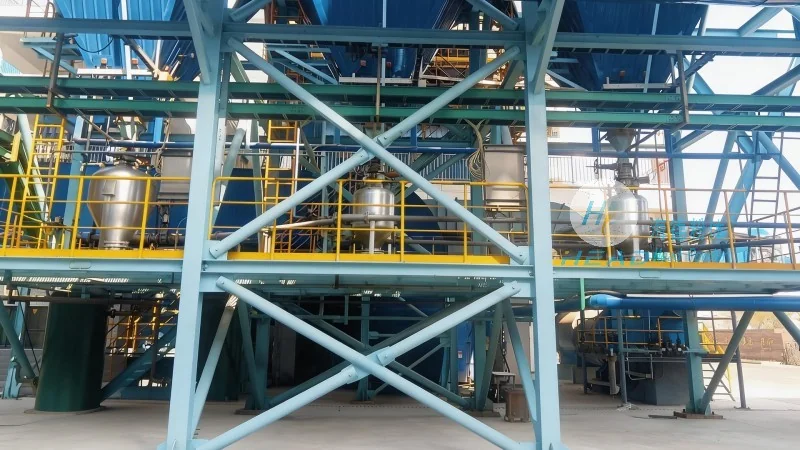
Benefits of Using Weighing Feeder Pneumatic Conveying Equipment
The use of weighing feeder systems offers several significant benefits to industrial operations. First, it provides high accuracy in material measurement, reducing waste and improving product consistency. By maintaining a constant flow rate, the system minimizes variations in the final product, which is especially important in industries where product quality is non-negotiable. Second, the equipment enhances operational efficiency by automating the feeding process, reducing the need for manual intervention and labor costs. The automated control system allows for continuous operation, increasing production throughput and reducing downtime. Third, the system improves safety by eliminating the need for manual handling of bulk powders, which can be hazardous due to dust exposure or material properties. Additionally, the equipment is designed for easy maintenance and cleaning, ensuring long-term reliability and minimal downtime for repairs.
Conclusion and Company Overview
HeadPowder Engineering Co., Ltd., based in Shandong, China, is a trusted provider of advanced weighing feeder pneumatic conveying equipment. The company's products are designed based on robust engineering principles, ensuring high accuracy, reliability, and efficiency. By integrating precise weighing mechanisms with pneumatic conveying systems, HeadPowder's equipment helps industries achieve optimal material handling, improve product quality, and enhance operational performance. With a focus on customer needs and technological innovation, HeadPowder continues to deliver solutions that meet the evolving demands of modern industrial applications.