

What is a Plug-Type Powder Pneumatic Conveying Equipment? And Its Design Principles
Plug-type powder pneumatic conveying equipment is a specialized system engineered to transport bulk powder materials through a pipeline using compressed air. This technology is widely adopted across various industries due to its ability to handle fine powders efficiently while minimizing product degradation and contamination. The system operates by creating a series of solid plugs—dense columns of powder separated by air pockets—that travel through the pipeline under controlled pressure. This method ensures a stable and consistent flow, making it ideal for sensitive materials like pharmaceuticals, food additives, and high-value chemicals.
Core Design Principles of Plug-Type Pneumatic Conveying Systems
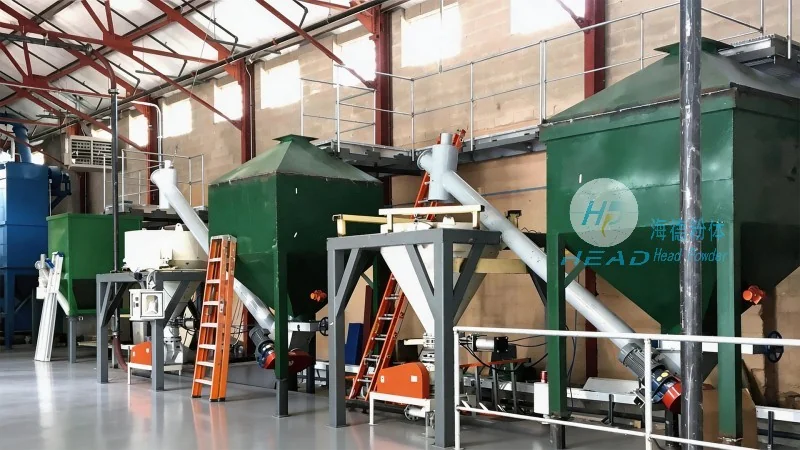
The design of plug-type pneumatic conveying systems revolves around several key principles to ensure optimal performance. The primary principle is the generation of stable powder plugs, which requires precise control of air pressure and flow rates. By maintaining a consistent pressure differential between the conveying line and the ambient environment, the system can create and maintain these plugs without causing excessive pressure drops or material breakdown. Another critical principle is the use of a positive displacement blower or compressor to provide the necessary air pressure, typically ranging from 0.5 to 2.0 bar above atmospheric pressure. This pressure ensures that the powder is fully suspended and transported without clogging or segregation. The system also incorporates a feed hopper with a rotary valve or star feeder to control the flow rate of the powder into the pipeline, preventing overloading and maintaining plug stability. Additionally, the pipeline design, including the use of smooth, corrosion-resistant materials and appropriate bends and fittings, is crucial to minimize pressure losses and maintain plug integrity.
Key Components and Their Functions in Plug-Type Conveying Equipment
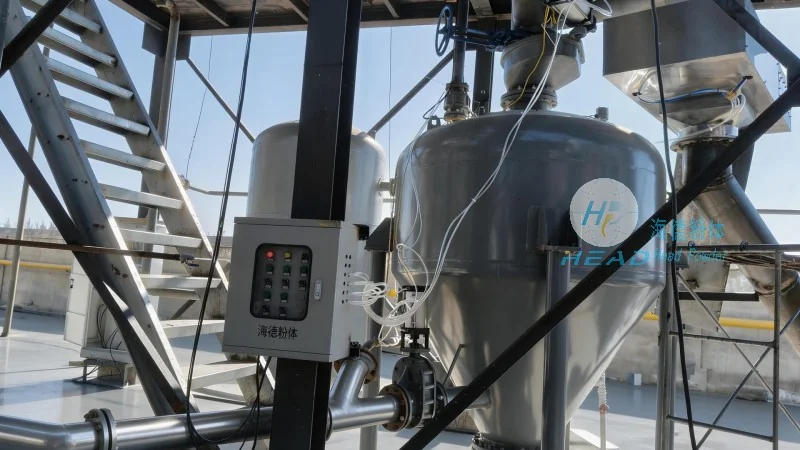
Plug-type pneumatic conveying systems consist of several essential components, each playing a vital role in the overall operation. The first component is the feed hopper, which stores the bulk powder and provides a controlled feed to the system. The hopper is equipped with a rotary valve or star feeder at the bottom, which regulates the powder flow into the conveying line. This component ensures a steady and consistent feed rate, preventing surges that could disrupt plug formation. The second key component is the plug generator or air lock, which is responsible for creating the powder plugs. This device typically consists of a series of valves or a rotary airlock that alternately seals and opens the pipeline, allowing air to be trapped behind a column of powder. The plug generator is often integrated with the feed hopper or located at the start of the conveying line. The third component is the conveying pipeline, which is made of materials such as stainless steel, polyethylene, or PVC to withstand the pressure and prevent material contamination. The pipeline includes bends, elbows, and straight sections, all designed to minimize pressure losses and maintain the integrity of the powder plugs. The fourth component is the air source system, which provides the compressed air needed to transport the powder. This system includes a blower or compressor, a filter to remove moisture and particulates, and a pressure regulator to maintain consistent pressure. The final component is the receiver or discharge hopper, which collects the powder at the end of the conveying line. This hopper is equipped with a discharge valve or rotary valve to control the release of the material.
Advantages of Plug-Type Pneumatic Conveying Technology
Plug-type pneumatic conveying technology offers several advantages over other conveying methods, making it a preferred choice for many industries. One of the main advantages is its high efficiency in transporting fine powders over long distances. The system can achieve conveying rates of up to several tons per hour, depending on the material properties and pipeline configuration. Another advantage is the low product degradation and contamination risk. Since the powder is transported in solid plugs separated by air, there is minimal contact with the conveying line, reducing the risk of particle attrition or contamination from the environment. This is particularly important for sensitive materials like pharmaceuticals and food products, where product quality is critical. The system also provides excellent mixing and blending capabilities, as the powder plugs can be mixed with other materials or additives during the conveying process. This makes it suitable for applications such as blending different powder components or adding liquid or gas phases to the material. Additionally, plug-type conveying systems are relatively simple to operate and maintain, with fewer moving parts compared to other pneumatic conveying methods. The system is also energy-efficient, as it uses less air pressure and flow rate compared to other systems, reducing energy consumption and operating costs.
Application Scenarios and Industries Served by HeadPowder
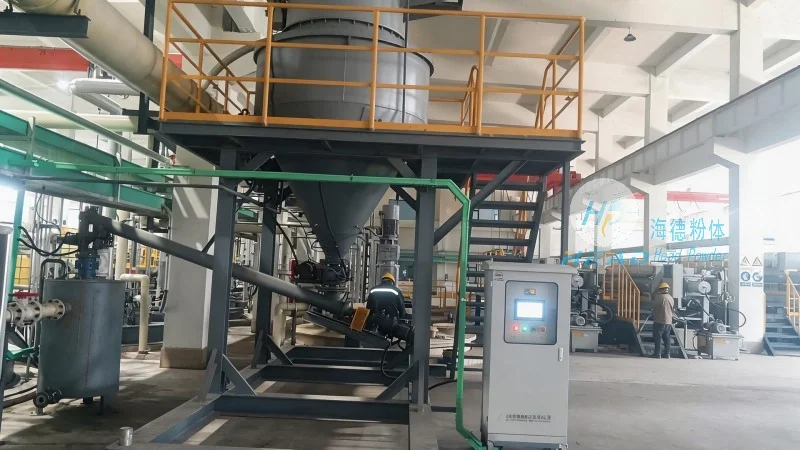
Shandong HeadPowder Engineering Co., Ltd. specializes in designing and manufacturing plug-type powder pneumatic conveying equipment for a wide range of industries. The company serves clients in the pharmaceutical, food, chemical, and agricultural sectors, among others. In the pharmaceutical industry, the system is used to transport active pharmaceutical ingredients (APIs), excipients, and finished dosage forms with minimal risk of contamination. The equipment is designed to meet stringent regulatory requirements, including GMP (Good Manufacturing Practice) standards, ensuring that the powder is handled in a clean and controlled environment. In the food industry, the system is used to convey food additives, spices, and other ingredients, maintaining product freshness and quality. The equipment is made of food-grade materials and is easy to clean and sanitize, making it suitable for food processing applications. In the chemical industry, the system is used to transport various powders, including chemicals, pigments, and catalysts. The equipment is designed to handle corrosive and abrasive materials, with components made of stainless steel or other corrosion-resistant materials. In the agricultural industry, the system is used to transport fertilizers, seeds, and other agricultural products. The equipment is robust and durable, capable of withstanding harsh operating conditions and long service life.
Technical Specifications and Customization Options from Shandong HeadPowder
Shandong HeadPowder Engineering Co., Ltd. offers a range of plug-type pneumatic conveying equipment with customizable specifications to meet the specific needs of each client. The company provides equipment with different conveying capacities, ranging from small-scale systems for laboratory use to large-scale systems for industrial production. The conveying capacity can be adjusted based on the material properties, such as particle size, density, and flowability. The system can handle materials with particle sizes ranging from 0.1 to 5 mm, and the conveying distance can range from a few meters to several kilometers. The company also offers equipment with different air pressure ranges, from 0.5 to 2.0 bar above atmospheric pressure, depending on the material and pipeline configuration. The equipment is designed with smooth, corrosion-resistant materials, such as stainless steel or polyethylene, to ensure long service life and minimal maintenance. The company provides customization options, including the design of the feed hopper, plug generator, and pipeline layout, to fit the specific requirements of each application. Additionally, the company offers after-sales support, including maintenance services, spare parts supply, and technical assistance, to ensure the optimal performance of the equipment.