

What is a Salt Powder Pneumatic Conveying Equipment? What is its Design Principle?
When it comes to efficiently transporting bulk materials like salt powder, pneumatic conveying systems offer a reliable and efficient solution. This article will explore the concept of salt powder pneumatic conveying equipment and delve into its fundamental design principles, providing a comprehensive overview for those interested in understanding this technology.
Introduction to Salt Powder Pneumatic Conveying Equipment
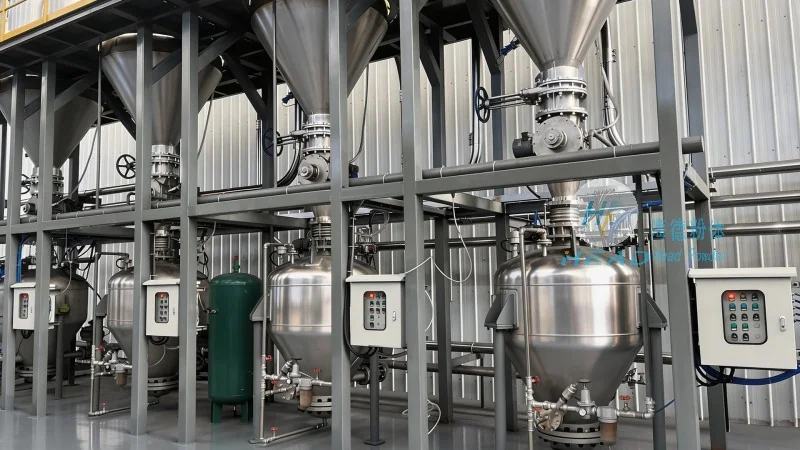
Salt powder pneumatic conveying equipment is a specialized system designed to transport dry, granular materials such as salt powder through an air stream. Unlike traditional mechanical conveyors, which rely on mechanical components like belts or screws, pneumatic systems use compressed air to move the material. This method is particularly advantageous for handling fine powders like salt, as it minimizes product degradation and contamination while ensuring smooth and continuous material flow.
Key Components of the Equipment
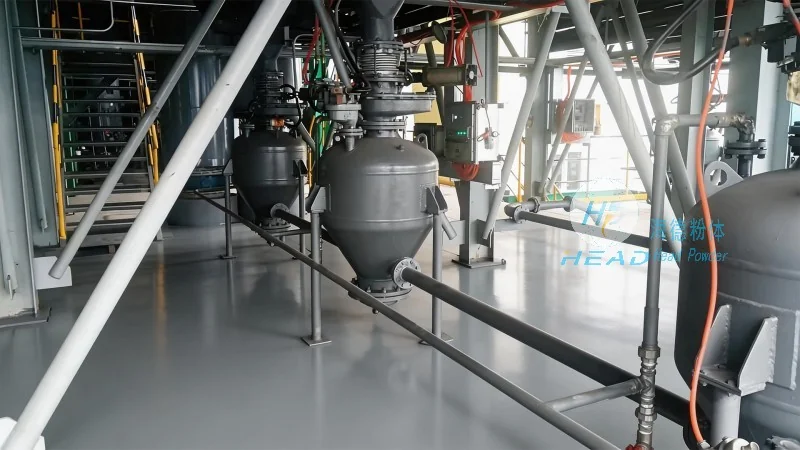
The core components of a salt powder pneumatic conveying system typically include a material hopper, a feeder, a compressor, a conveying line, and a receiver. The material hopper stores the salt powder and feeds it into the system. The feeder controls the flow rate of the material, ensuring consistent and controlled discharge. The compressor generates the necessary air pressure to move the material through the conveying line. The conveying line, often made of metal or flexible tubing, transports the salt powder and air mixture. Finally, the receiver collects the material at the destination point.
Design Principles Behind the Equipment
The design of salt powder pneumatic conveying equipment is guided by several key principles to ensure optimal performance. One of the primary principles is maintaining a consistent air-to-material ratio, which is crucial for efficient transport. The system must be designed to handle the specific properties of salt powder, such as its particle size, density, and flowability. Additionally, the equipment is engineered to minimize pressure drops along the conveying line, which helps maintain the air velocity necessary to keep the material suspended and moving. Proper sealing and filtration are also critical design elements to prevent dust emissions and maintain air quality.
Advantages of Using Salt Powder Pneumatic Conveying Equipment
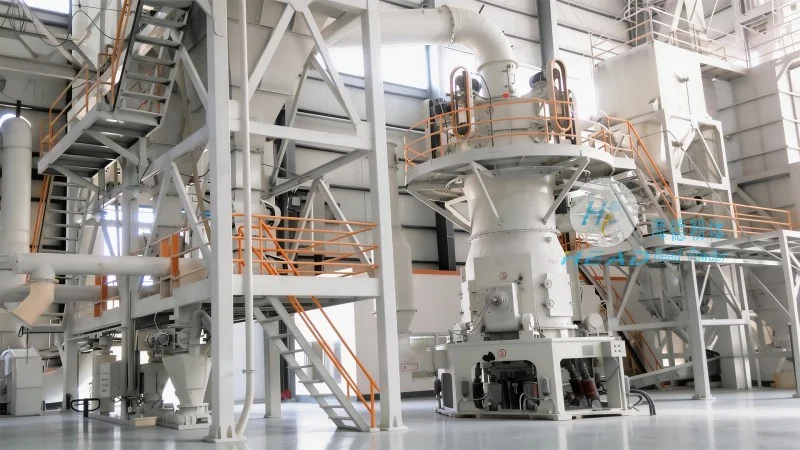
Implementing a salt powder pneumatic conveying system offers several benefits over traditional methods. First, it provides a dust-free and clean transfer process, which is essential for maintaining product purity and meeting regulatory standards. Second, the system is highly flexible, allowing for changes in material flow rates and destination points without significant modifications. Third, it reduces labor costs by automating the material handling process and minimizing the need for manual handling. Finally, the equipment is compact and can be integrated into existing production lines, making it a space-efficient solution for various industrial applications.
About Shandong HeadPowder Engineering Co., Ltd.
Shandong HeadPowder Engineering Co., Ltd., commonly known as HeadPowder, is a leading manufacturer specializing in the design and production of pneumatic conveying equipment. With a strong commitment to quality and innovation, HeadPowder has established itself as a trusted partner in the bulk material handling industry. The company’s expertise lies in developing customized solutions tailored to the unique needs of clients, ensuring that each system is optimized for efficiency and reliability. HeadPowder’s products are widely used in various industries, including food processing, chemical manufacturing, and pharmaceuticals, where the handling of fine powders like salt is critical.