

Urea Powder Pneumatic Conveying Equipment: Understanding Its Function and Design Principles
Urea, a crucial nitrogen fertilizer, is widely used in agricultural and industrial applications. The efficient and safe transportation of urea powder from production sites to storage or processing facilities is essential for maintaining operational efficiency and product quality. This article explores the concept of urea powder pneumatic conveying equipment, detailing its design principles and operational benefits.
Introduction to Urea Powder Pneumatic Conveying Equipment
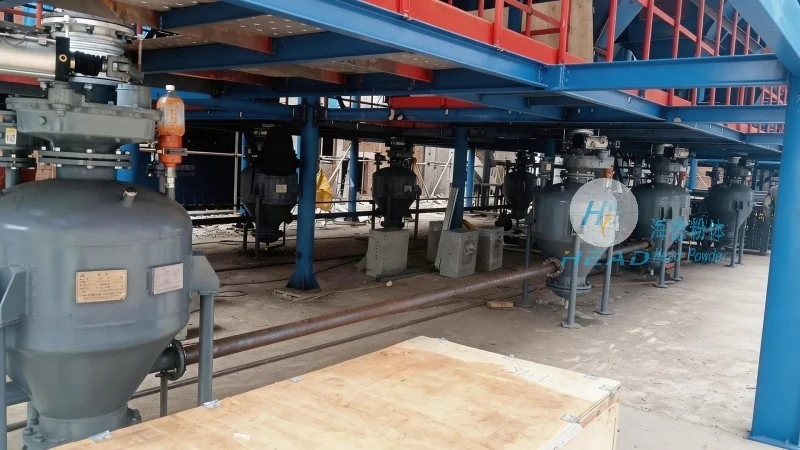
Urea powder pneumatic conveying equipment is a specialized system designed to transport urea granules or powder through a pipeline using compressed air or other gas as the conveying medium. This technology offers a non-contact, low-maintenance method for moving bulk materials, which is particularly advantageous for materials like urea that are sensitive to moisture or contamination. The system typically consists of a hopper, a feeder, a pipeline, and a receiver, all working in tandem to ensure smooth and reliable material transfer.
Key Components and Their Roles
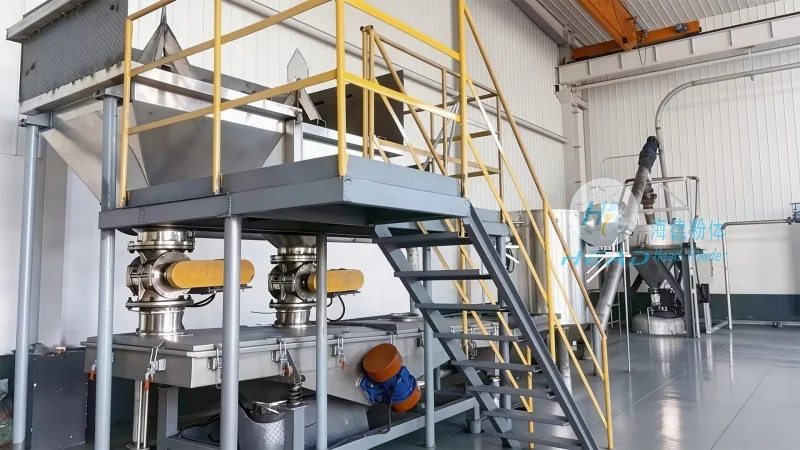
The effectiveness of a urea powder pneumatic conveying system relies on several critical components, each playing a specific role in the overall operation. The hopper serves as the storage and feeding unit, holding the urea powder and regulating the flow rate into the system. The feeder, often a rotary valve or a screw feeder, controls the discharge of material from the hopper, ensuring a consistent and controlled feed rate. The pipeline, made from materials resistant to urea's chemical properties, transports the powder and gas mixture. The receiver, or discharge hopper, collects the conveyed urea powder at the destination point. Compressed air or other gas is introduced into the system to create the necessary pressure differential, propelling the urea particles through the pipeline.
Design Principles for Efficient Urea Powder Conveying
The design of urea powder pneumatic conveying equipment is guided by several key principles to ensure optimal performance. One of the primary principles is maintaining a sufficient velocity of the conveying medium to prevent material settling or blockage in the pipeline. This velocity is typically determined based on the particle size, density, and flow characteristics of the urea powder. Another critical principle is the selection of appropriate pipeline dimensions and materials. The pipeline diameter and length are optimized to minimize pressure drop and energy consumption, while the material of construction (such as stainless steel or special alloys) is chosen to resist corrosion and abrasion from the urea particles. Additionally, the system is designed to handle varying flow rates and pressures, allowing for flexibility in different operational scenarios. The use of airlocks and check valves is also common to prevent backflow and ensure unidirectional material movement.
Advantages of Urea Powder Pneumatic Conveying Systems
Implementing a urea powder pneumatic conveying system offers numerous advantages over traditional methods like belt conveyors or bucket elevators. One of the most significant benefits is the reduction in material handling time and labor costs, as the system can transport large volumes of urea powder over long distances with minimal human intervention. The non-contact nature of the process also minimizes product contamination and degradation, preserving the quality of the urea. Furthermore, pneumatic conveying systems are highly adaptable, capable of handling different particle sizes and flow rates without significant modifications. They also provide better dust control compared to open systems, contributing to a safer working environment. The low maintenance requirements of these systems, particularly when using high-quality components, result in lower operational costs and longer service life.
Applications and Operational Considerations
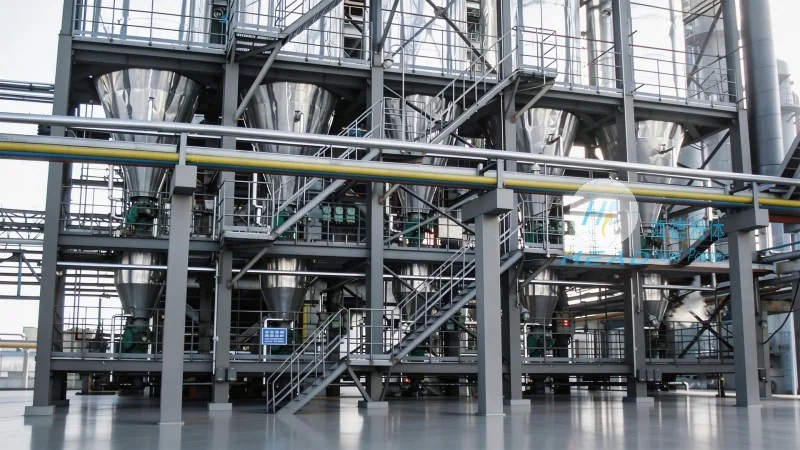
Urea powder pneumatic conveying equipment is widely used in various industries, including fertilizer manufacturing, chemical processing, and food processing. In fertilizer plants, these systems are crucial for moving urea from storage silos to processing units or packaging lines. The ability to convey urea over long distances without the need for intermediate storage points enhances the overall efficiency of the production process. Operational considerations for these systems include maintaining proper air pressure and flow rates, regular cleaning of the pipeline to prevent blockages, and monitoring for any signs of wear or corrosion in the components. Proper maintenance, such as periodic inspection of the hopper and feeder, is essential to ensure the system operates at peak efficiency and avoids costly downtime.
Conclusion
Urea powder pneumatic conveying equipment is a vital technology in the efficient and safe transportation of urea powder. By understanding its design principles and operational benefits, industries can optimize their material handling processes, reduce costs, and improve overall productivity. The system's ability to handle bulk materials with minimal contact and contamination makes it an ideal choice for modern fertilizer and chemical operations. As the demand for efficient material handling solutions continues to grow, the development and implementation of advanced pneumatic conveying systems will remain a key focus for companies like Shandong HeadPowder Engineering Co., Ltd., based in China, which specializes in providing high-quality engineering solutions for bulk material handling.