

What is Lithium Carbonate Powder Pneumatic Conveying Equipment? And What Are Its Design Principles?
Lithium carbonate is a critical raw material in the production of lithium-ion batteries, which are integral to modern electronics and renewable energy storage systems. The efficient and safe handling of lithium carbonate powder is paramount for manufacturers to ensure consistent quality and operational efficiency. This article explores the concept of lithium carbonate powder pneumatic conveying equipment, detailing its design principles and the key factors that contribute to its effectiveness in industrial applications.
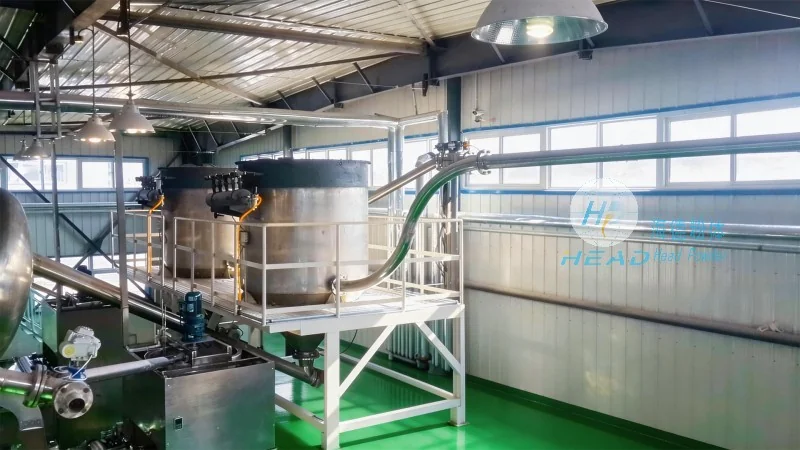
Introduction to Lithium Carbonate Powder Pneumatic Conveying Equipment
Pneumatic conveying systems are widely used in the chemical and material processing industries to transport dry powders, including lithium carbonate, over short or long distances. These systems utilize compressed air or other gases to move the powder through a network of pipes, eliminating the need for mechanical components like conveyors or buckets that might cause contamination or mechanical wear. The equipment is designed to handle the unique properties of lithium carbonate, such as its fine particle size, low bulk density, and potential for static charge, ensuring a reliable and efficient conveying process.
Key Components and Working Principle
The core components of a lithium carbonate powder pneumatic conveying system typically include a feed hopper, a rotary airlock valve, a pressure vessel or receiver, a gas source (air compressor), a conveying line, and a dust collector or cyclone separator. The working principle involves feeding the lithium carbonate powder into the hopper, where it is then metered by the rotary airlock valve into the pressure vessel. Compressed air is introduced into the vessel, creating a high-pressure environment that propels the powder through the conveying line to the destination point. At the receiving end, a separator (such as a cyclone or bag filter) separates the powder from the air stream, allowing the powder to be collected in a container while the air is discharged or recycled.
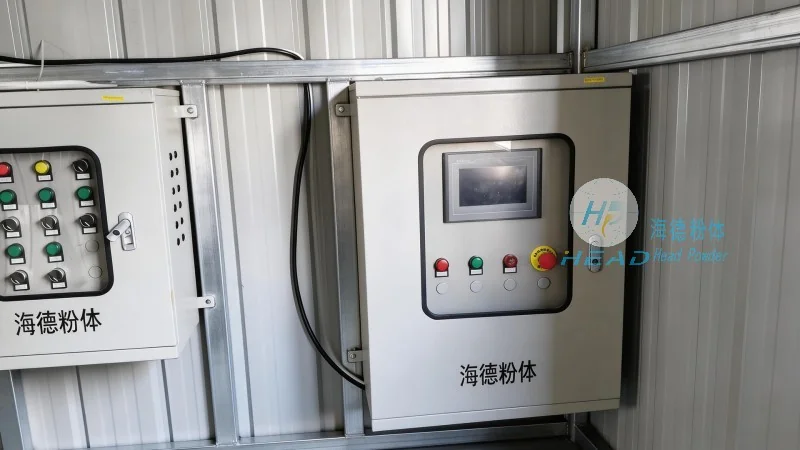
Design Principles for Efficient Conveying
The design of a pneumatic conveying system for lithium carbonate powder is governed by several critical principles aimed at optimizing performance, energy efficiency, and material handling. First, the system must be tailored to the specific physical properties of the powder, including particle size distribution, bulk density, and flowability. For lithium carbonate, which often consists of fine particles (typically 10-200 microns), the conveying velocity and pressure must be carefully controlled to prevent particle segregation or agglomeration. Second, the system should minimize pressure drop and energy consumption by selecting appropriate pipe diameters, bends, and fittings that reduce friction losses. This is achieved through the use of smooth, corrosion-resistant materials (such as stainless steel or PTFE-coated pipes) and optimized air velocity calculations based on the powder's characteristics.
Third, the design must consider the potential for static electricity, which can cause powder buildup and discharge hazards. Proper grounding and anti-static measures, such as adding conductive additives or using anti-static filters, are incorporated into the system to ensure safety. Additionally, the system should be equipped with monitoring and control devices to regulate air pressure, flow rate, and powder feed rate, allowing for real-time adjustments to maintain optimal conveying conditions. The integration of these design principles ensures that the equipment operates reliably, with minimal downtime and maintenance, while delivering consistent performance in lithium carbonate processing facilities.
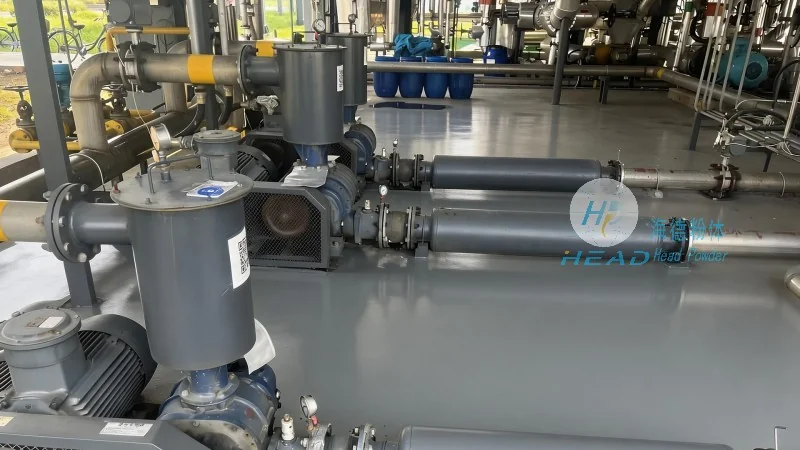
Application in Lithium Carbonate Processing
Lithium carbonate powder pneumatic conveying equipment is widely employed in various stages of lithium carbonate production and processing. In the initial stages, the equipment is used to transport raw lithium carbonate from storage silos or bulk containers to processing units, such as ball mills or classifiers. This step ensures that the powder is delivered to the processing equipment without the need for manual handling, which can introduce contaminants and increase labor costs. During the processing stage, the equipment may be used to transfer the powder between different processing steps, such as from a drying unit to a packaging line, or from a mixing tank to a filtration system. The ability to convey the powder in a closed system also helps to maintain a controlled environment, preventing dust emissions and ensuring product purity.
Advantages of Using Pneumatic Conveying Systems
Compared to traditional mechanical conveying methods, pneumatic conveying systems offer several advantages when handling lithium carbonate powder. First, they eliminate the risk of mechanical wear and contamination, as there are no moving parts in direct contact with the powder. This is particularly important for lithium carbonate, which is often used in high-purity applications, such as battery manufacturing, where even trace contaminants can affect product performance. Second, pneumatic systems can transport powders over long distances (up to several hundred meters) with minimal loss of material, making them suitable for large-scale industrial operations. Third, the closed system design reduces dust emissions, improving workplace safety and compliance with environmental regulations. Additionally, pneumatic conveying systems can be easily integrated with automation and control systems, allowing for precise control over the conveying process and reducing the need for manual intervention.
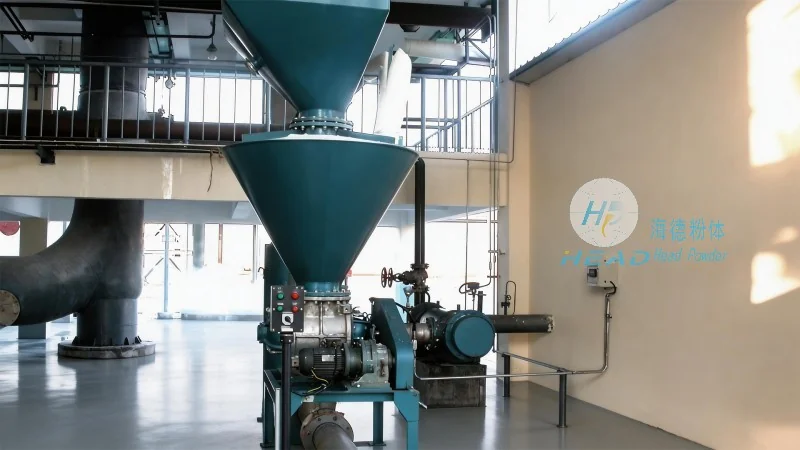
Conclusion and Company Information
Lithium carbonate powder pneumatic conveying equipment is a vital component in modern lithium processing facilities, enabling efficient, safe, and reliable handling of this critical raw material. The design principles outlined above, including tailored component selection, optimized air flow, and anti-static measures, ensure that the system operates at peak efficiency while maintaining product quality. For companies involved in lithium carbonate production, investing in a well-designed pneumatic conveying system is essential to meet the growing demand for lithium-ion batteries and ensure long-term operational success.
Shandong HeadPowder Engineering Co., Ltd., a leading manufacturer of powder handling equipment, specializes in providing customized pneumatic conveying solutions for lithium carbonate and other fine powders. With years of experience in the industry, HeadPowder combines advanced engineering with rigorous quality control to deliver equipment that meets the specific needs of its clients. The company is headquartered in Shandong, China, and serves customers worldwide with reliable, efficient, and cost-effective powder handling solutions. Whether for new plant installations or system upgrades, HeadPowder is committed to helping manufacturers optimize their lithium carbonate processing operations and achieve their production goals.