

What is a Dry Coffee Powder Pneumatic Conveying Equipment? And What Are Its Design Principles?
For coffee processing facilities, the efficient and reliable transport of dry coffee powder is a critical operation. Pneumatic conveying systems have emerged as a preferred solution for this task, offering advantages such as low maintenance, hygienic operation, and the ability to handle delicate powders without degradation. This article explores the concept of dry coffee powder pneumatic conveying equipment and delves into the underlying design principles that make these systems effective.
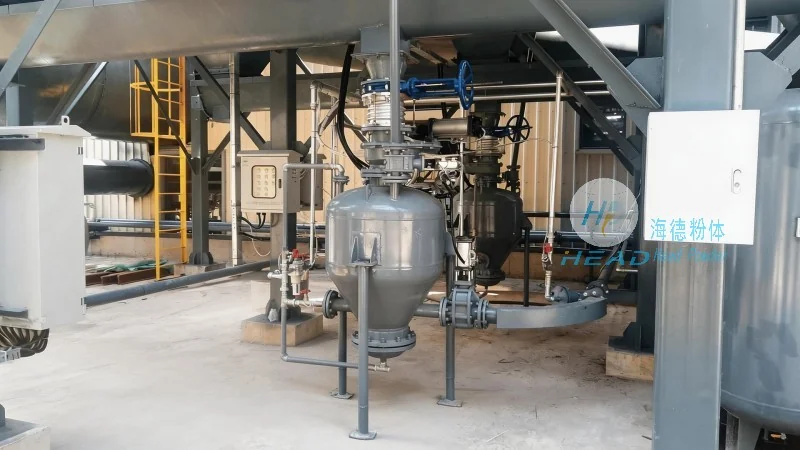
Understanding Dry Coffee Powder Pneumatic Conveying
Dry coffee powder pneumatic conveying equipment is a specialized system designed to transport coffee powder from one location to another using a stream of pressurized air or vacuum. Unlike traditional mechanical conveyors, which rely on mechanical components like belts or screws, pneumatic systems utilize air to move the material, making them ideal for handling fine, dusty, or sensitive powders like coffee. The core components of such a system typically include a hopper for material storage, a conveyor line (either pressure or vacuum-based), and a receiver for the discharged material. The system operates by either blowing air through the material (pressure conveying) or sucking the material through the air (vacuum conveying), depending on the specific application and layout requirements.
Key Design Principles for Efficient Coffee Powder Conveying
The design of a dry coffee powder pneumatic conveying system is governed by several critical principles to ensure optimal performance, energy efficiency, and product integrity. First, the system must be designed to handle the specific characteristics of coffee powder, including its particle size distribution, moisture content, and flowability. Coffee powders are often fine and cohesive, which can lead to issues like blockages or uneven flow if not properly managed. Therefore, the design incorporates features such as agitators or vibrators in the hopper to prevent material bridging and ensure consistent feed. Second, the system must maintain a low pressure drop to minimize energy consumption. High pressure drops can lead to increased energy costs and may cause the material to degrade or degrade the conveying air quality. Engineers typically use smooth, low-friction components and appropriate pipe diameters to achieve this. Third, the system must prioritize hygiene and easy cleaning, as coffee processing environments are subject to strict food safety regulations. The design includes smooth surfaces, no dead zones, and easy-to-disassemble parts that can be cleaned thoroughly to prevent contamination. Fourth, the system must be scalable and adaptable to different production volumes and layouts. This involves modular components that can be adjusted or expanded as production needs change, ensuring flexibility for coffee processing plants.
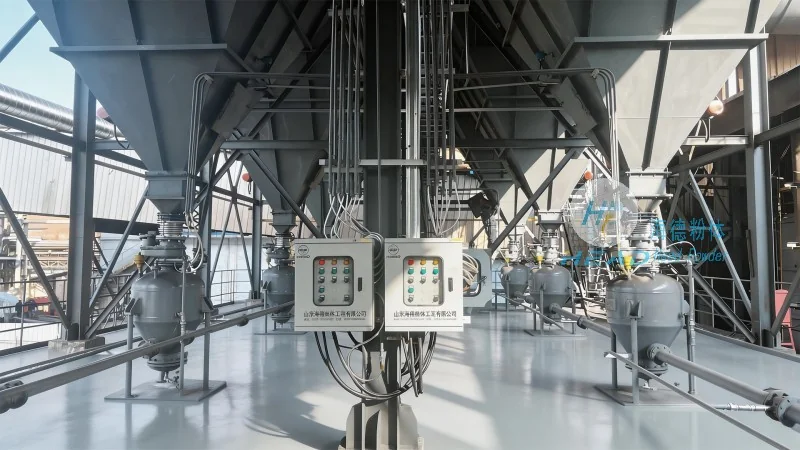
Components and Their Roles in the System
Each component of a dry coffee powder pneumatic conveying system plays a vital role in its overall performance. The hopper is the initial storage and feeding unit, where coffee powder is loaded and prepared for transport. It is typically equipped with a feeder, such as a rotary valve or a screw feeder, which controls the flow rate of the material into the conveyor line. The feeder must be designed to handle the specific flow characteristics of coffee powder, ensuring a consistent and controlled feed. The conveyor line itself is the heart of the system, responsible for moving the coffee powder through the air stream. In pressure conveying systems, the line is pressurized with air, and the material is carried along by the air flow. In vacuum conveying systems, a vacuum is created at the receiver end, pulling the material through the line. The choice between pressure and vacuum depends on factors such as the distance to be covered, the height of the lift, and the material's properties. The receiver is the final component, where the coffee powder is deposited after being conveyed. It is designed to collect the material efficiently and prevent spillage or contamination. The receiver may include a filter or a cyclone separator to remove any entrained air or fine particles before the material is discharged.
Advantages of Using Pneumatic Conveying for Coffee Powder
Compared to traditional mechanical conveyors, dry coffee powder pneumatic conveying equipment offers several advantages that make it a preferred choice for coffee processing facilities. One of the key benefits is the ability to handle delicate and sensitive powders without degradation. The gentle air flow prevents the coffee powder from being crushed or broken, preserving its quality and flavor. Another advantage is the low maintenance requirement. Pneumatic systems have fewer moving parts compared to mechanical conveyors, reducing the risk of wear and tear and minimizing downtime for maintenance. Additionally, pneumatic conveying systems are more hygienic, as they eliminate the need for mechanical components that can harbor bacteria or other contaminants. This is particularly important in food processing environments where strict hygiene standards must be met. Furthermore, pneumatic systems are more flexible and adaptable, allowing for changes in production volume or layout without significant modifications. This flexibility is crucial for coffee processing plants that may experience fluctuations in demand or need to expand their operations over time.
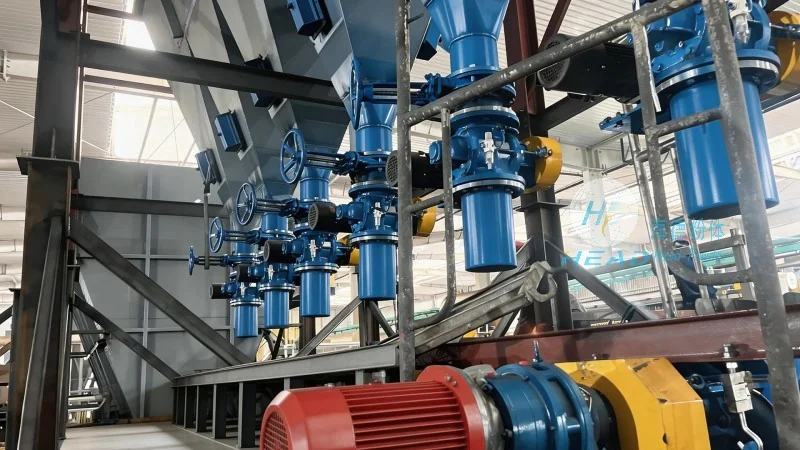
Considerations for Design and Installation
When designing and installing a dry coffee powder pneumatic conveying system, several factors must be considered to ensure optimal performance and longevity. First, the system must be sized appropriately based on the production capacity and the distance to be covered. The capacity of the hopper and feeder must match the required flow rate, and the pipe diameter must be sufficient to handle the material without excessive pressure drop. Second, the system must be installed with proper ventilation and air filtration to ensure the quality of the conveying air. Coffee powder can be fine and may contain particles that could affect the air quality or cause blockages in the system. Third, the system must be integrated with the existing coffee processing equipment to ensure smooth operation. This includes coordinating the timing of material transport with other processes, such as grinding or packaging. Fourth, the system must be designed with safety in mind. This includes features such as pressure relief valves to prevent over-pressurization and emergency shut-off mechanisms to stop the system in case of a malfunction. Finally, the system must be constructed from materials that are compatible with coffee powder and meet food safety standards. Materials such as stainless steel are commonly used to prevent corrosion and contamination.
Conclusion
Dry coffee powder pneumatic conveying equipment is a sophisticated and efficient solution for transporting coffee powder in processing facilities. The design principles, components, and advantages of such systems are tailored to handle the unique characteristics of coffee powder while ensuring optimal performance, energy efficiency, and product quality. By understanding these principles and considering the specific requirements of a coffee processing plant, engineers can design and install a pneumatic conveying system that meets the needs of the facility and contributes to its overall productivity and success. As a leading provider in this field, Shandong HeadPowder Engineering Co., Ltd. specializes in designing and manufacturing high-quality pneumatic conveying systems tailored to the specific needs of coffee processing industries.