

[COPYRIGHT]Common Dust Conveying Methods: An Overview of Pneumatic Dust Conveying Systems
When it comes to handling and transporting dust in industrial settings, selecting the right conveying method is crucial for efficiency, safety, and operational reliability. Various dust conveying techniques are available, each with its own set of advantages and applications. This article provides an overview of common dust conveying methods, with a particular focus on the principles and benefits of pneumatic dust conveying systems.
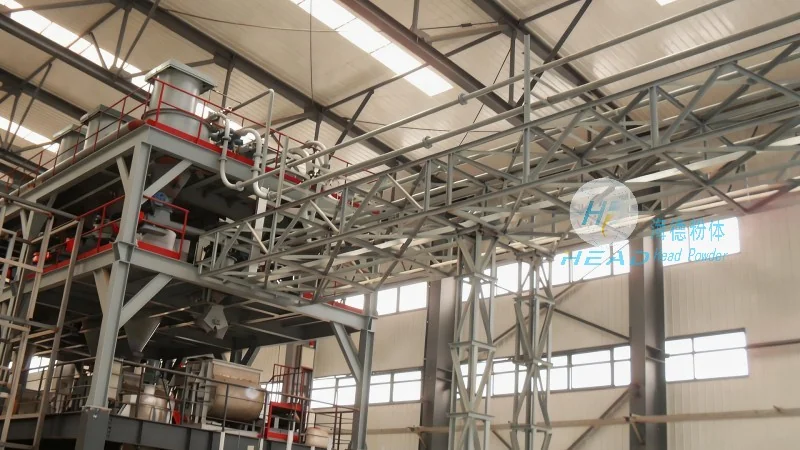
Introduction to Dust Conveying Methods
Dust conveying is a critical process in many industries, including manufacturing, mining, and food processing. The goal is to move fine particles from one location to another without causing contamination, loss, or health hazards. Traditional methods have evolved over time, and modern solutions often combine efficiency with environmental considerations. The primary categories of dust conveying include mechanical, pneumatic, and hybrid systems, each tailored to specific material characteristics and operational requirements.
About HeadPowder Engineering Co., Ltd.
HeadPowder Engineering Co., Ltd., commonly known as HeadPowder, is a leading provider of dust handling and conveying solutions based in Shandong, China. With a strong commitment to innovation and quality, the company specializes in designing and manufacturing advanced dust pneumatic conveying systems. HeadPowder's expertise lies in creating customized solutions that meet the unique needs of clients across various industries, ensuring optimal performance and long-term reliability.
Common Dust Conveying Methods
Several methods are employed for dust transportation, with each having distinct characteristics. Mechanical conveying systems, such as belt conveyors and screw conveyors, are widely used for bulk materials but may not be suitable for fine dust due to the risk of clogging and material degradation. These systems rely on mechanical force to move particles, making them less effective for very fine or abrasive dust.
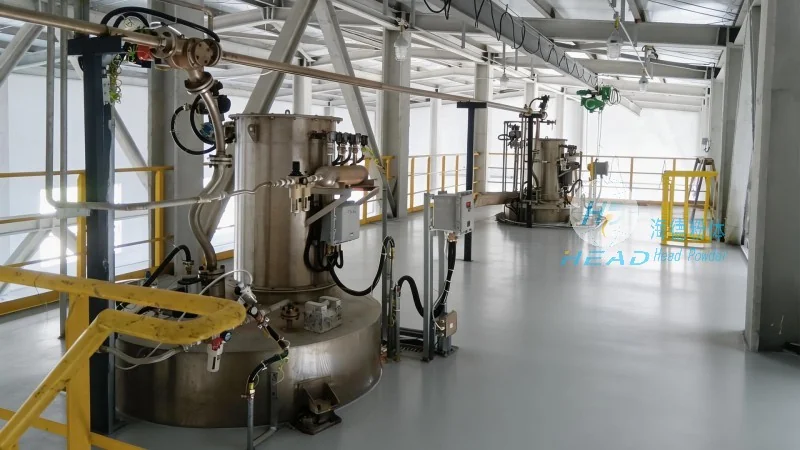
Pneumatic dust conveying, on the other hand, utilizes air pressure or vacuum to transport dust particles. This method is particularly effective for handling fine powders, as it minimizes material loss and contamination. Pneumatic systems can be categorized into pressure and vacuum types, each offering different advantages based on the application.
Pneumatic Dust Conveying Systems: How They Work
A pneumatic dust conveying system operates by creating a flow of air through a pipeline, carrying dust particles along with it. The system typically consists of a blower or vacuum pump, a hopper for material storage, and a series of pipes and valves to direct the flow. The air velocity is carefully controlled to ensure that the dust particles are entrained without causing excessive pressure drops or wear on the system components.
Pressure pneumatic conveying systems use compressed air to push the material through the pipeline, while vacuum systems use suction to draw the material from the source. The choice between pressure and vacuum depends on factors such as the distance to be covered, the material's density, and the required flow rate. Advanced pneumatic systems may incorporate features like cyclone separators, filters, and material recovery units to enhance efficiency and reduce environmental impact.
Advantages of Pneumatic Dust Conveying
Compared to traditional mechanical methods, pneumatic dust conveying offers several key advantages. First, it provides a more hygienic and controlled environment, as the material is contained within a sealed system, reducing the risk of dust dispersion and contamination. Second, pneumatic systems are highly flexible, allowing for changes in the conveying route without major modifications. Third, they can handle a wide range of particle sizes and materials, from fine powders to coarse granules, making them versatile for various industrial applications.
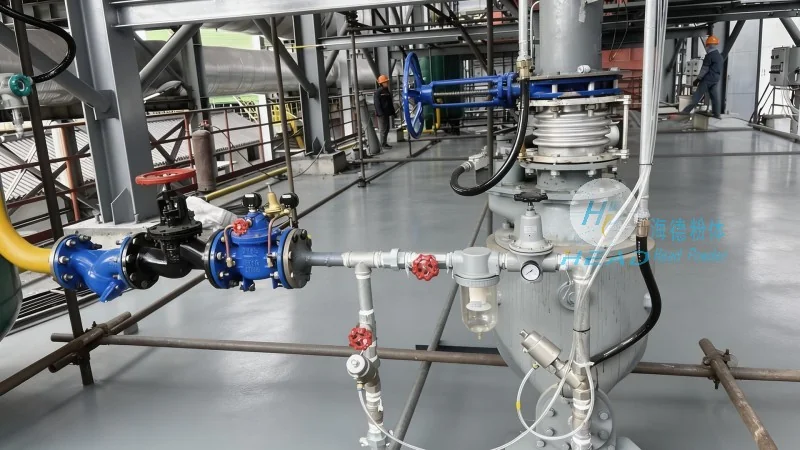
Another significant benefit is the ability to integrate dust collection and recovery systems directly into the conveying process. This reduces waste and improves overall material efficiency, aligning with sustainability goals. Additionally, pneumatic conveying systems can be automated, improving operational efficiency and reducing labor costs over time.
Applications in Industrial Settings
Pneumatic dust conveying is widely used in industries such as pharmaceuticals, food processing, chemical manufacturing, and mining. In pharmaceutical facilities, for example, pneumatic systems are essential for transporting fine powders while maintaining strict hygiene standards. In food processing plants, they help move ingredients like flour and sugar without cross-contamination. Chemical manufacturers rely on these systems to handle abrasive or toxic powders safely, while mining operations use pneumatic conveying to transport ore dust from processing sites to storage areas.
Conclusion
Choosing the right dust conveying method is critical for optimizing industrial processes and ensuring safety. Pneumatic dust conveying systems, particularly those designed by HeadPowder Engineering Co., Ltd., offer a reliable and efficient solution for handling fine dust in various applications. By leveraging advanced technology and customized designs, HeadPowder provides clients with systems that enhance productivity, reduce environmental impact, and meet stringent industry standards. Whether for short or long-distance transport, pneumatic dust conveying remains a preferred choice for modern industrial operations.