

Common Nickel Powder Conveying Methods: An Introduction to Nickel Powder Pneumatic Conveying
When it comes to handling nickel powder, selecting the right conveying method is crucial for maintaining product quality, ensuring efficient operation, and minimizing material loss. Nickel powder, with its fine particle size and potential for static charge, requires specialized equipment and techniques to transport safely and effectively. Various conveying methods are available, each with its own advantages and applications. This article explores common nickel powder conveying methods, with a focus on the benefits and considerations of pneumatic conveying, a widely used technique in the industry.
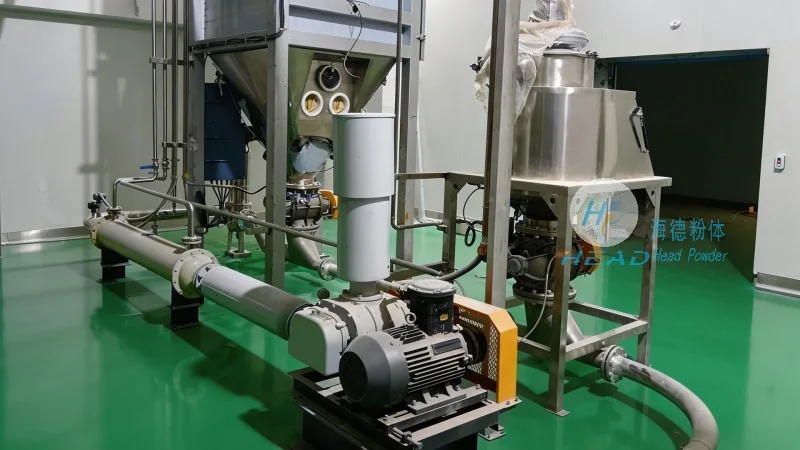
Common Nickel Powder Conveying Methods: An Overview
Several methods are employed for transporting nickel powder, depending on factors such as particle size, flow rate, distance, and the need for dust control. The primary categories include mechanical conveying, pneumatic conveying, and gravity-based systems. Each method has specific characteristics that make it suitable for different industrial applications.
Mechanical Conveying Systems for Nickel Powder
Mechanical conveying involves the use of equipment like screw conveyors, belt conveyors, and bucket elevators to move nickel powder. These systems are often preferred for short to medium distances and when the material is not too fine. Screw conveyors, for instance, are effective for handling free-flowing powders but may generate significant friction and heat, which can affect the powder's properties. Belt conveyors are suitable for larger particle sizes or bulk materials, though they may not be ideal for very fine nickel powders due to the risk of clogging. Bucket elevators are used for vertical transport, but they require careful maintenance to prevent material buildup and ensure consistent flow.
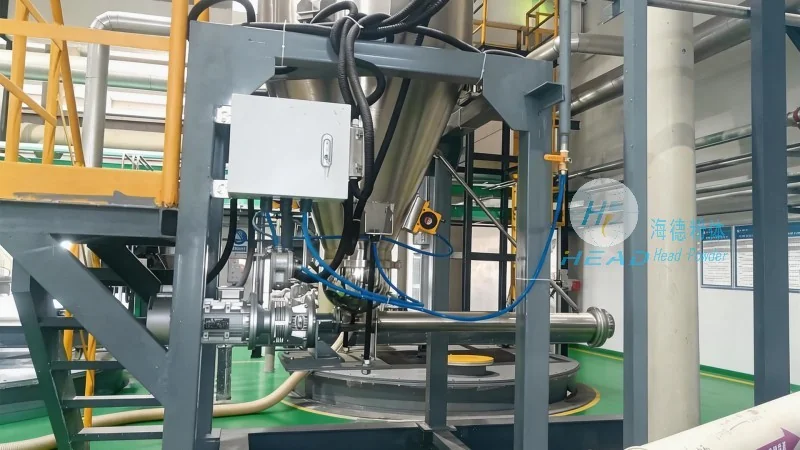
Pneumatic Conveying: The Preferred Method for Fine Nickel Powders
Pneumatic conveying, also known as air conveying, is widely regarded as the most effective method for transporting fine nickel powders. This technique uses compressed air to move the powder through a pipeline system. There are two main types: pressure and vacuum systems. Pressure systems use positive pressure to push the powder forward, while vacuum systems use negative pressure to pull it. Pneumatic conveying offers several advantages, including the ability to handle fine particles without clogging, minimal material degradation, and effective dust control. It is particularly suitable for nickel powders that are prone to static charge, as the air flow helps to dissipate static electricity and prevent particle agglomeration.
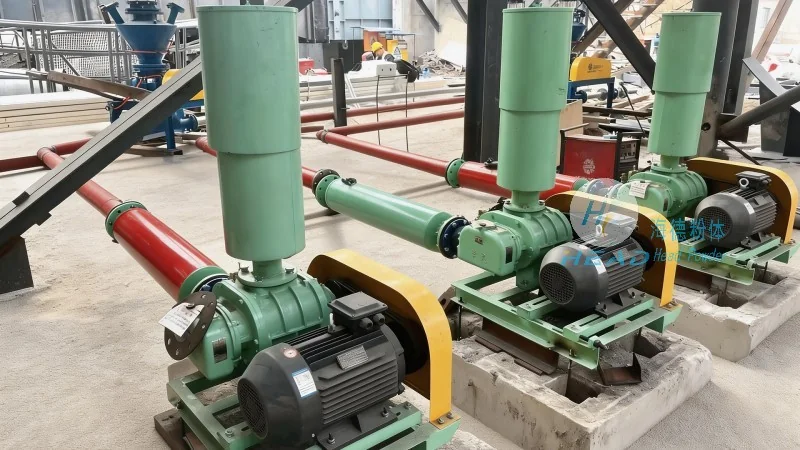
Key Considerations for Pneumatic Conveying of Nickel Powder
When implementing pneumatic conveying for nickel powder, several factors must be considered to ensure optimal performance. The first is the choice of air velocity, which must be sufficient to prevent particle settling but not so high as to cause excessive wear on the system components. The second is the design of the pipeline, which should be smooth and free of sharp bends to minimize pressure drop and maintain consistent flow. Additionally, the use of appropriate filters and cyclones is essential to separate the powder from the air and prevent contamination of the conveying system. For nickel powders, specialized filters may be required to handle the fine particles and prevent clogging. The system also needs to be equipped with static grounding and bonding to prevent static buildup, which can lead to sparks and explosions in the presence of flammable materials or oxygen.
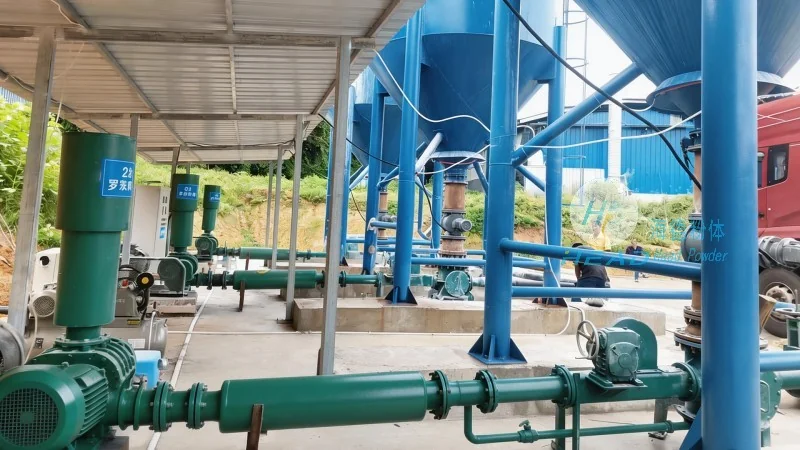
HeadPowder's Expertise in Nickel Powder Conveying Solutions
Shandong HeadPowder Engineering Co., Ltd., a leading manufacturer of powder handling equipment, specializes in providing customized pneumatic conveying systems for nickel powder applications. With years of experience in the industry, HeadPowder understands the unique challenges of handling fine nickel powders and designs systems that meet the specific needs of each client. The company's engineers work closely with customers to assess their conveying requirements, including the flow rate, distance, and material properties, and develop tailored solutions that ensure efficient and safe transport. HeadPowder's systems are built with high-quality materials and components, ensuring durability and long-term performance. The company also offers maintenance and support services to ensure that the conveying systems operate at peak efficiency throughout their lifespan.
Conclusion: Choosing the Right Conveying Method for Nickel Powder
Selecting the appropriate conveying method for nickel powder is critical to maintaining product quality and operational efficiency. While mechanical and gravity-based systems have their uses, pneumatic conveying is often the best choice for fine nickel powders due to its ability to handle small particles, control dust, and prevent material degradation. By understanding the advantages and considerations of each method, manufacturers can make informed decisions that optimize their production processes. For those seeking reliable and efficient nickel powder conveying solutions, Shandong HeadPowder Engineering Co., Ltd. offers expert guidance and high-quality equipment to meet their needs.