

What is a Petroleum Coke Powder Pneumatic Conveying System? And What Are Its Design Principles?
At Shandong HeadPowder Engineering Co., Ltd., we specialize in providing advanced solutions for the efficient handling of petroleum coke powder through pneumatic conveying systems. This technology is crucial in industrial applications where the reliable transport of fine powders, such as petroleum coke, is essential for maintaining operational efficiency and safety. A pneumatic conveying system uses air or other gases to move bulk materials like petroleum coke powder from one location to another, eliminating the need for mechanical components that might cause wear or contamination.
Key Components and Working Principle
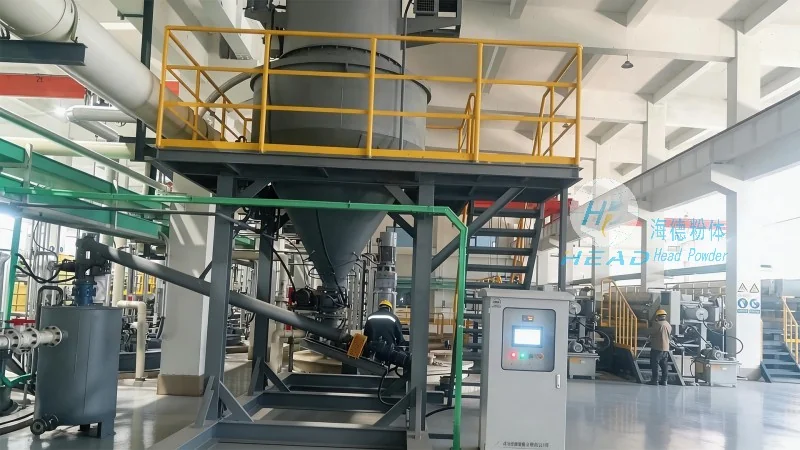
The design of a petroleum coke powder pneumatic conveying system involves several critical components that work in harmony to ensure smooth material transport. The primary components include a material hopper, a conveyor line (either positive or negative pressure), a filter system, and a receiver or discharge point. The material hopper stores the petroleum coke powder and feeds it into the conveying line. The conveyor line can operate under positive pressure, where air is forced through the system to push the powder, or under negative pressure, where air is drawn to pull the powder. The filter system is vital for maintaining air quality and preventing dust from escaping into the environment. The receiver or discharge point is where the petroleum coke powder is deposited at its destination.
Design Principles for Efficient Operation
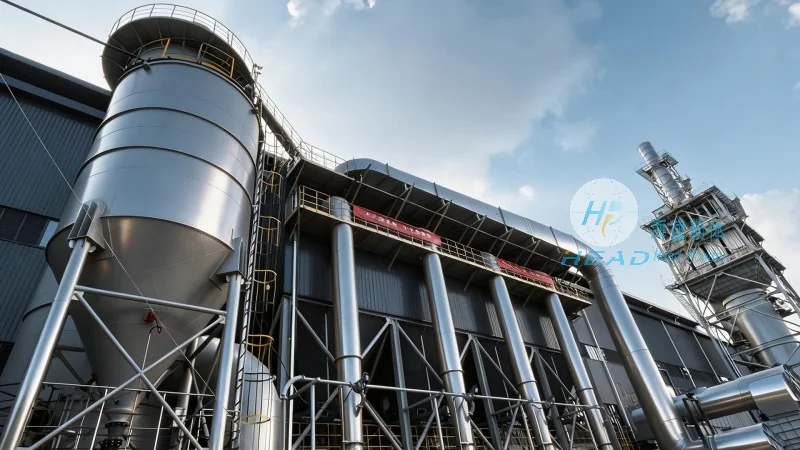
Designing an effective petroleum coke powder pneumatic conveying system requires careful consideration of several factors to ensure optimal performance. The first principle is the selection of the appropriate conveying line type based on the material characteristics and the distance to be covered. For example, positive pressure systems are often preferred for short to medium distances and when handling abrasive materials like petroleum coke powder, as they provide better control over the flow rate. The second principle is the calculation of the required air velocity and pressure to maintain the powder in suspension. This involves understanding the particle size distribution, density, and flow properties of the petroleum coke powder. The third principle is the integration of a filter system that can handle the dust load without compromising air flow efficiency. The filter must be designed to prevent clogging and ensure consistent performance over time. Additionally, the system must be equipped with safety features such as pressure relief valves and explosion-proof components to handle the potential hazards associated with handling powders like petroleum coke, which can be flammable under certain conditions.
Benefits of Using Pneumatic Conveying for Petroleum Coke Powder
Implementing a pneumatic conveying system for petroleum coke powder offers numerous benefits that enhance industrial operations. One of the key advantages is the elimination of mechanical conveying equipment, which reduces maintenance costs and the risk of material contamination. Pneumatic systems are also more flexible, allowing for changes in the layout or destination of the conveying line without major modifications. Another benefit is the improved safety aspect, as the system can be enclosed to prevent dust emissions and reduce the risk of dust explosions. Furthermore, pneumatic conveying systems can handle high volumes of material efficiently, making them suitable for large-scale industrial applications. The ability to transport petroleum coke powder in a controlled manner also helps in maintaining consistent product quality by preventing segregation or agglomeration during transport.
Applications in Industrial Settings
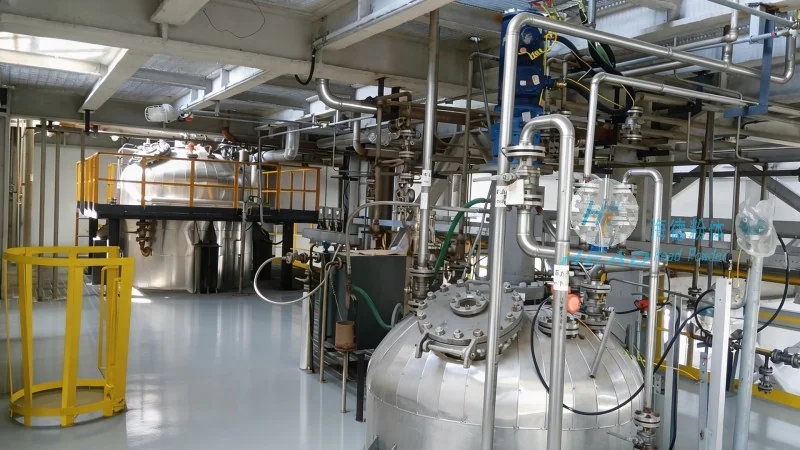
Petroleum coke powder pneumatic conveying systems are widely used in various industrial sectors that rely on the handling of bulk powders. In the petrochemical industry, these systems are essential for transporting petroleum coke from storage silos to processing units, such as calciners or reactors. In the steel industry, petroleum coke is used as a fuel and reducing agent in blast furnaces, and pneumatic conveying systems ensure that the powder is delivered to the furnaces in a consistent and controlled manner. Additionally, in the power generation sector, petroleum coke powder is used as a fuel in power plants, and the conveying system plays a critical role in supplying the fuel to the boilers. The versatility of pneumatic conveying systems makes them suitable for a range of applications, from small-scale operations to large industrial plants, where the efficient transport of petroleum coke powder is crucial for operational success.