

What is a cottonseed powder pneumatic conveying line? What are its design principles?
For those in the agricultural processing industry, particularly those working with cottonseed, understanding the technology behind efficient material handling is crucial. A cottonseed powder pneumatic conveying line is a specialized system designed to transport cottonseed powder through a pipeline using air pressure. This method offers significant advantages over traditional mechanical conveying systems, such as reduced wear and tear on equipment and the ability to handle materials that are dusty or prone to caking.
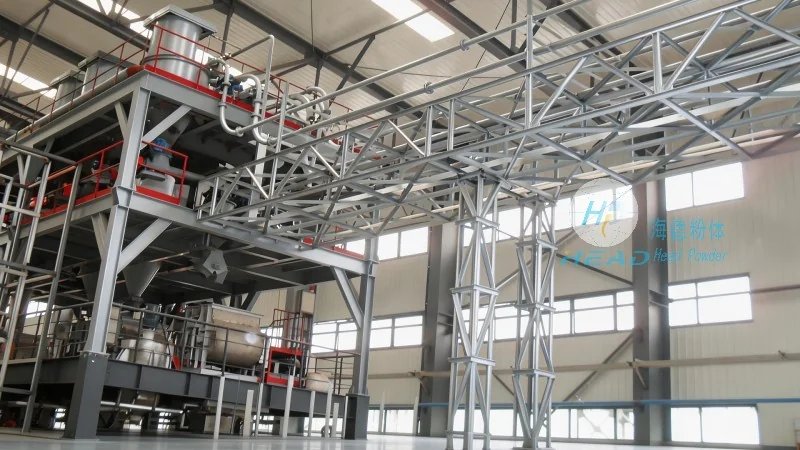
Understanding the Core Function of a Cottonseed Powder Pneumatic Conveying Line
The primary function of a cottonseed powder pneumatic conveying line is to move cottonseed powder from a storage or processing point to a destination, such as a processing plant or storage silo. This is achieved by creating a flow of air within a pipeline, which lifts and transports the powder particles. The system typically consists of several key components, including a blower or compressor to generate the air flow, a hopper or feeder to introduce the powder, and a pipeline network to direct the material. The design of this system is critical to ensure efficient and reliable operation, as it directly impacts the performance and longevity of the equipment.
Key Design Principles of a Cottonseed Powder Pneumatic Conveying Line
Several fundamental design principles guide the construction and operation of a cottonseed powder pneumatic conveying line. The first is the selection of the appropriate air velocity. The air velocity must be high enough to lift the powder particles but not so high as to cause excessive wear on the pipeline or components. This is often determined by the particle size and density of the cottonseed powder. Another critical principle is the system's pressure and flow rate. The pressure must be sufficient to overcome the resistance in the pipeline and ensure that the powder reaches its destination without clogging or degradation. The flow rate is also important, as it affects the capacity and efficiency of the system. Additionally, the design must consider the material's properties, such as its moisture content and tendency to agglomerate, to prevent blockages and ensure smooth operation.
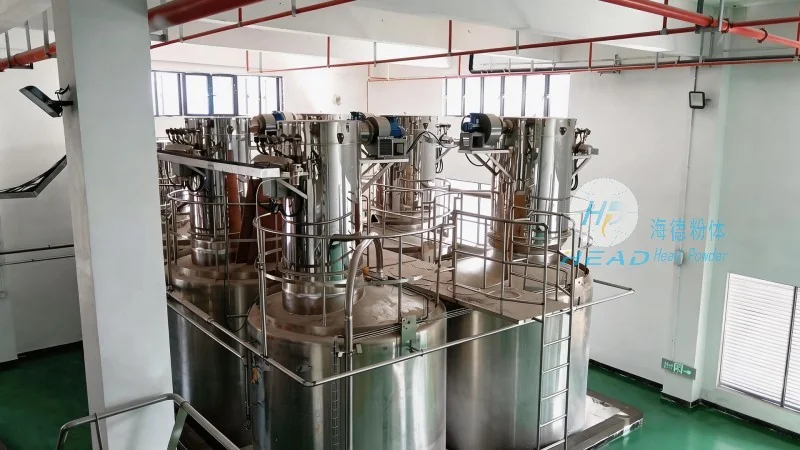
Components and Their Roles in the System
A cottonseed powder pneumatic conveying line comprises several essential components, each with a specific role in the overall operation. The blower or compressor is the heart of the system, providing the necessary air pressure to move the powder. It is typically selected based on the required flow rate and pressure, and its efficiency directly impacts the system's performance and energy consumption. The hopper or feeder is responsible for introducing the cottonseed powder into the pipeline. It may include features such as a rotary valve or a screw feeder to control the flow rate and prevent backflow. The pipeline network connects the various components and directs the powder to its destination. The pipeline is usually made of materials like stainless steel or plastic, chosen for their resistance to corrosion and wear from the powder. The system may also include filters and cyclones to separate the powder from the air and return the air to the blower, ensuring that the air is clean and the powder is not lost.
Advantages of Using a Cottonseed Powder Pneumatic Conveying Line
Implementing a cottonseed powder pneumatic conveying line offers several advantages over traditional conveying methods. One of the most significant benefits is the reduction in equipment wear and tear. Since the powder is not in direct contact with mechanical components like belts or buckets, the system experiences less wear and requires less maintenance. This leads to lower operational costs and longer equipment life. Another advantage is the ability to handle materials that are dusty or prone to caking. The pneumatic system can effectively transport these materials without causing blockages or degradation, ensuring consistent and reliable operation. Additionally, the system can be designed to be flexible, with multiple pipelines and destinations, allowing for easy expansion or reconfiguration as production needs change. This flexibility makes it an attractive option for businesses looking to adapt to changing market demands.
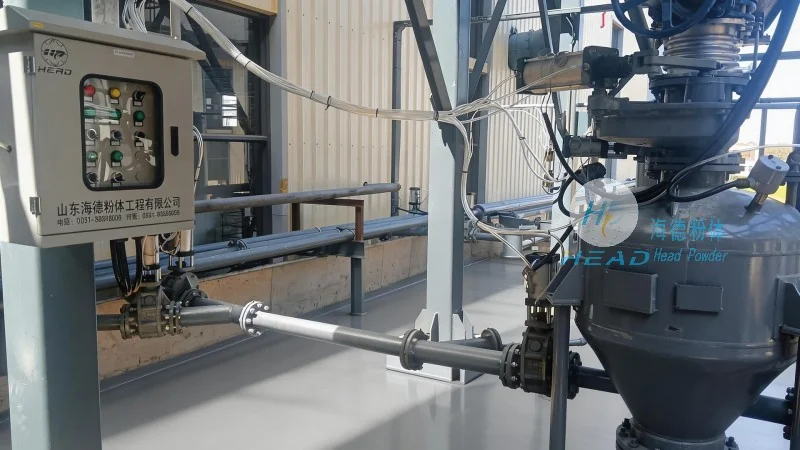
Considerations for Design and Installation
When designing and installing a cottonseed powder pneumatic conveying line, several factors must be considered to ensure optimal performance. First, the system must be sized appropriately for the expected flow rate and pressure requirements. This involves calculating the necessary air velocity and pressure to move the cottonseed powder efficiently. Second, the materials used in the system must be selected based on the properties of the powder, such as its corrosiveness or abrasiveness. Stainless steel is often preferred for its resistance to corrosion and wear, while plastic may be used for less abrasive materials. Third, the system must be properly maintained to prevent issues such as clogging or air leaks. Regular cleaning of the pipeline and filters, as well as checking for wear on components, is essential to keep the system running smoothly. Finally, the system should be installed with proper support and alignment to prevent vibration and ensure the longevity of the equipment.
Conclusion
A cottonseed powder pneumatic conveying line is a sophisticated and efficient system designed to handle cottonseed powder with precision and reliability. By understanding the design principles and components of this system, businesses can make informed decisions about implementing such technology in their operations. The advantages of reduced wear, flexibility, and ability to handle challenging materials make it a valuable investment for those in the agricultural processing industry. As technology continues to advance, these systems are likely to become even more efficient and effective, further enhancing the capabilities of cottonseed processing operations.