

What is a Lithium Nickel Cobalt Aluminum (NCA) Powder Pneumatic Conveying System? And What Are Its D
For companies in the battery materials industry, the efficient and safe handling of Lithium Nickel Cobalt Aluminum (NCA) powder is a critical concern. The NCA powder pneumatic conveying system is a specialized solution designed to address these challenges, ensuring reliable material transport while maintaining product integrity and operational safety. This article will explore the fundamental aspects of such a system, including its design principles and key components.
Understanding the NCA Powder Pneumatic Conveying System
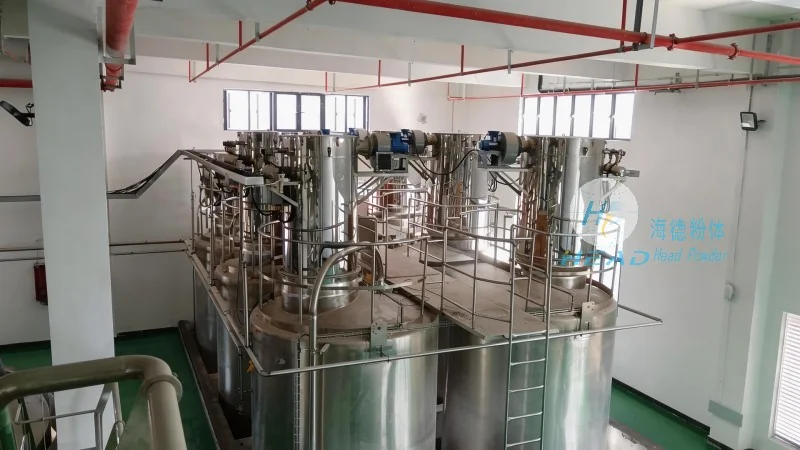
The NCA powder pneumatic conveying system is a technology used to transport NCA powder—a key component in lithium-ion battery cathodes—through a pipeline using compressed air or other gas. Unlike traditional mechanical conveying methods, which may cause particle degradation or contamination, pneumatic conveying offers a more gentle and controlled approach. This system is particularly important in battery material production, where the purity and particle size distribution of NCA powder directly impact battery performance and lifespan.
Key Design Principles of the System
The design of an NCA powder pneumatic conveying system is guided by several critical principles to ensure optimal performance and safety. First, the system must maintain the integrity of the NCA powder, preventing agglomeration, attrition, or contamination during transport. This is achieved through the use of appropriate gas velocities, pipeline diameters, and material selection for components like hoppers, feeders, and pipelines. Second, the system must ensure efficient and consistent material flow, minimizing downtime and maximizing throughput. This involves precise control of air pressure, flow rates, and feeding mechanisms. Third, safety is paramount, as NCA powder can be a fire or explosion hazard under certain conditions. Therefore, the system incorporates features such as explosion-proof designs, dust collection systems, and emergency shut-off valves to mitigate risks.
Core Components and Their Functions
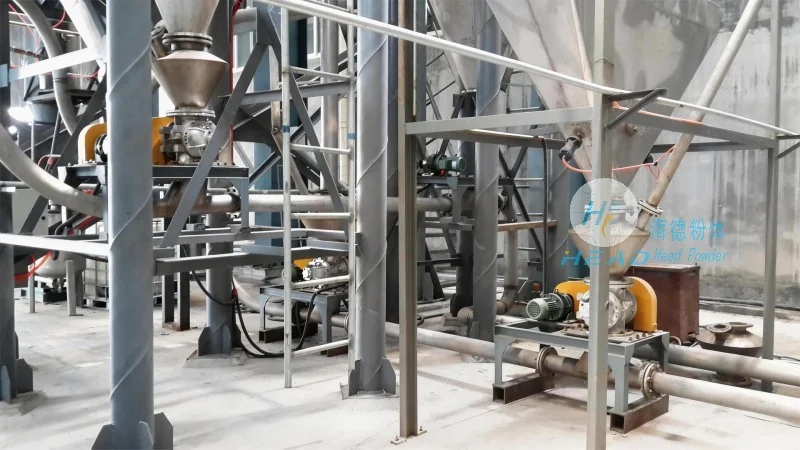
A typical NCA powder pneumatic conveying system consists of several key components, each playing a vital role in the overall operation. The primary components include the material hopper, which stores the NCA powder and provides a controlled feed to the system; the feeder, which regulates the flow rate of the powder into the pipeline; the pipeline itself, which transports the powder and gas mixture; the receiver, which collects the conveyed powder at the destination; and the dust collection system, which captures any airborne particles to maintain air quality and prevent environmental contamination. Additionally, the system may include a blower or compressor to generate the necessary air pressure, a filter to remove moisture and particulates from the air, and control valves to adjust the flow and pressure as needed.
Advantages of the NCA Powder Pneumatic Conveying System
Compared to other conveying methods, the NCA powder pneumatic conveying system offers several advantages that make it a preferred choice in the battery materials industry. One of the most significant benefits is its ability to handle NCA powder gently, preserving its particle size and surface properties. This is crucial because the physical characteristics of NCA powder directly affect the performance of lithium-ion batteries. Another advantage is the system's flexibility, as it can be easily adapted to different production scales and layouts. Additionally, the system provides a closed-loop operation, reducing the risk of dust exposure and environmental pollution. Finally, the system's automation capabilities allow for precise control and monitoring, enhancing operational efficiency and reducing human error.
Applications in Battery Material Production
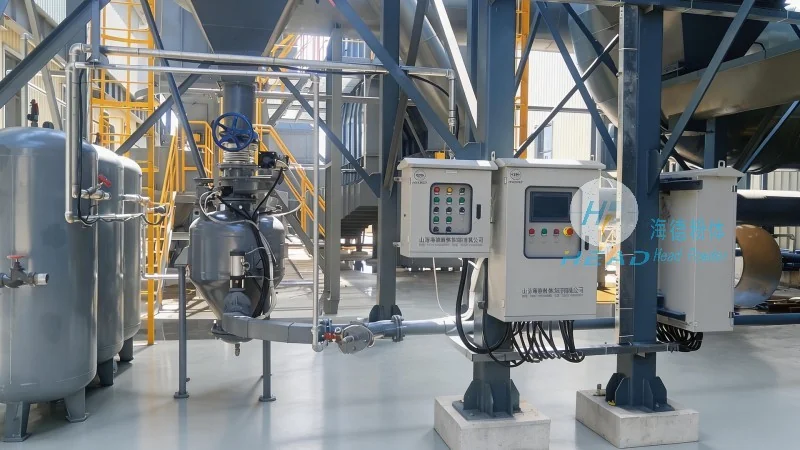
The NCA powder pneumatic conveying system is widely used in various stages of battery material production. In the raw material handling stage, it transports NCA powder from storage silos to processing facilities. During the mixing and blending stage, it conveys the powder to mixers, ensuring uniform distribution of components. In the coating and drying stage, it transports the blended powder to coating equipment, where it is applied to aluminum foil to form the cathode layer. Finally, in the packaging stage, it conveys the finished NCA powder to storage containers for shipment. The system's ability to handle NCA powder efficiently and safely makes it an essential part of modern battery material production lines.
Conclusion
The NCA powder pneumatic conveying system is a sophisticated and essential technology in the battery materials industry. Its design principles, which prioritize powder integrity, efficient flow, and safety, make it a reliable solution for transporting NCA powder. By understanding the core components and advantages of this system, manufacturers can optimize their production processes, improve product quality, and enhance operational safety. As the demand for lithium-ion batteries continues to grow, the importance of efficient and safe NCA powder handling will only increase, making the NCA powder pneumatic conveying system a critical investment for companies in the industry.