

What is an anhydrous aluminum trichloride powder pneumatic conveying line? What are its design princ
For industrial applications involving the handling of anhydrous aluminum trichloride powder, a specialized system known as a pneumatic conveying line is often employed. This equipment is designed to transport the powder from one location to another within a facility or between different processing stages. The system utilizes air or gas as the conveying medium, creating a flow that moves the powder through a network of pipes and components. Understanding the fundamentals of such a system, including its design principles, is crucial for optimizing performance and ensuring safe operation in industrial settings.
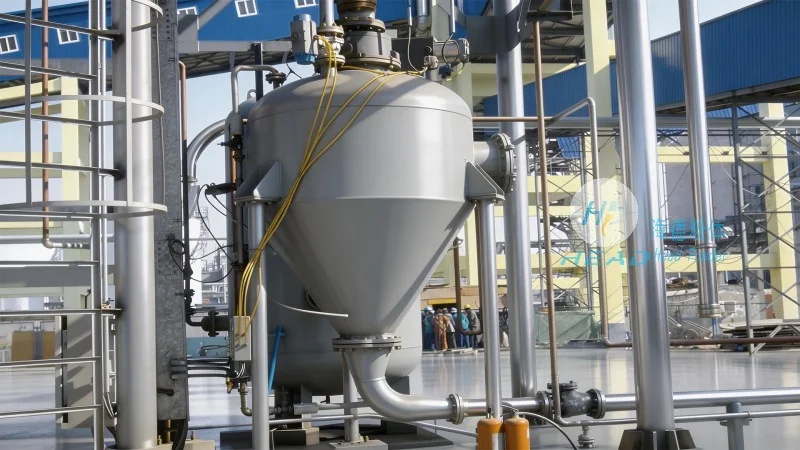
Overview of Anhydrous Aluminum Trichloride Powder Pneumatic Conveying Lines
Anhydrous aluminum trichloride (AlCl₃) is a highly reactive chemical compound commonly used in various industrial processes, such as chemical synthesis, catalyst production, and material processing. Due to its hygroscopic nature and potential for dust generation, handling this powder requires specialized equipment to ensure efficiency, safety, and product integrity. A pneumatic conveying line is a system that uses pressurized air or gas to transport the powder, eliminating the need for mechanical components like conveyor belts or buckets that could cause contamination or damage to the material.
Key Components of the Pneumatic Conveying System
The design of an anhydrous aluminum trichloride powder pneumatic conveying line typically involves several critical components that work in tandem to ensure effective material transport. These components include:
1. Feeder: The feeder is responsible for introducing the powder into the conveying system at a controlled rate. For AlCl₃, a rotary valve or a screw feeder is commonly used to maintain a consistent flow, preventing blockages and ensuring uniform material introduction.
2. Conveying Pipe: The pipe network forms the main pathway for the powder and air mixture. The pipe material must be selected carefully to resist corrosion from the acidic nature of AlCl₃, typically using materials like stainless steel or specialized corrosion-resistant alloys.
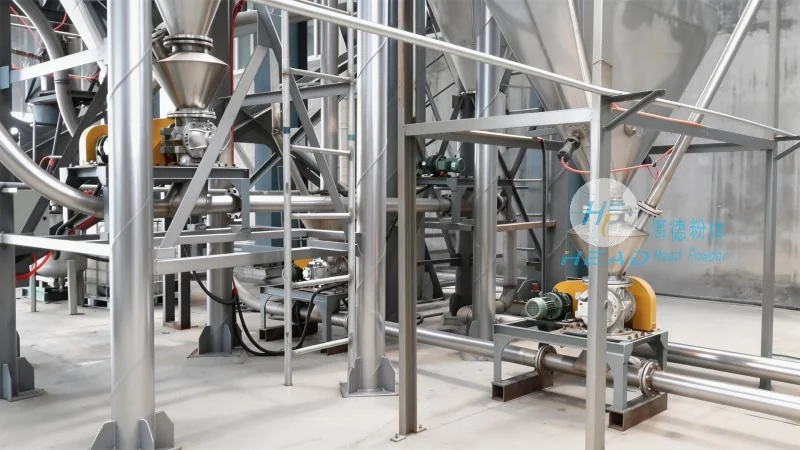
3. Compressor or Blower: The compressor or blower generates the necessary pressure to move the powder through the system. The choice of equipment depends on the system's capacity and the required pressure levels, with considerations for energy efficiency and noise reduction.
4. Separation and Collection: At the end of the conveying line, a separator or cyclone is used to separate the powder from the air stream. This component ensures that the powder is collected efficiently while the air is either filtered or recirculated back into the system.
Design Principles for Efficient Operation
The design of a pneumatic conveying line for anhydrous aluminum trichloride powder is guided by several key principles to ensure optimal performance and safety. These principles include:
1. Pressure and Flow Rate: The system must be designed to maintain appropriate pressure levels and flow rates to prevent material settling or blockages. The pressure is typically maintained above the material's static pressure to ensure continuous flow.
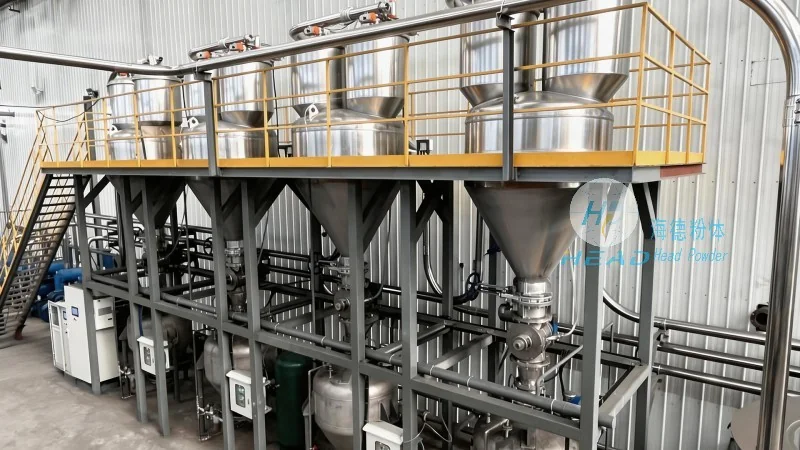
2. Material Compatibility: All components in contact with the AlCl₃ powder must be compatible to avoid chemical reactions or corrosion. This includes the selection of pipe materials, seals, and other hardware.
3. Air Quality and Filtration: The air used in the conveying process must be filtered to remove contaminants that could affect the purity of the AlCl₃ powder. This is crucial for maintaining product quality and preventing equipment damage.
4. System Integration: The conveying line must be integrated with other processing equipment, such as reactors or storage tanks, to ensure seamless material transfer and minimize downtime.
Benefits of Using a Pneumatic Conveying Line for Anhydrous Aluminum Trichloride
Implementing a pneumatic conveying system for anhydrous aluminum trichloride powder offers several advantages over traditional handling methods. These benefits include:
1. Reduced Downtime: The system allows for continuous material transport, reducing the need for manual handling and minimizing interruptions in production.
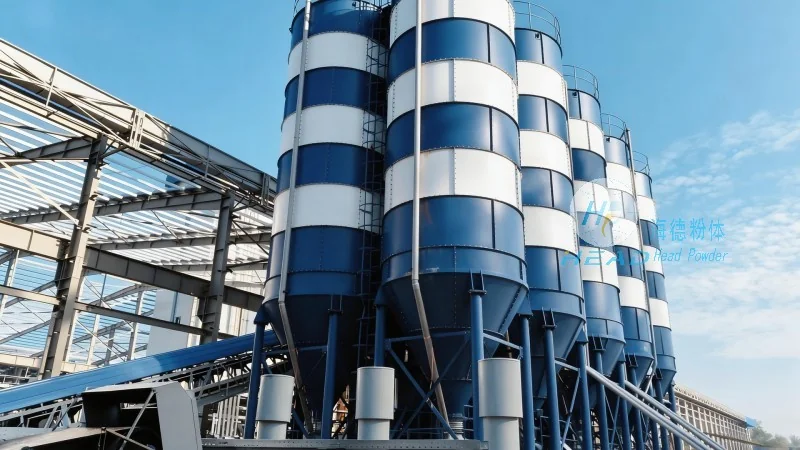
2. Improved Safety: By eliminating the need for manual handling of the powder, the risk of dust exposure and potential health hazards is significantly reduced.
3. Enhanced Product Quality: The enclosed system prevents contamination from external sources, ensuring that the AlCl₃ powder remains pure and free from moisture or other impurities.
4. Energy Efficiency: Modern pneumatic conveying systems are designed to be energy-efficient, with optimized pressure and flow rates that reduce operational costs.
Conclusion
Anhydrous aluminum trichloride powder pneumatic conveying lines are essential equipment for industries dealing with this reactive chemical. The design principles, components, and operational considerations outlined above are critical for ensuring the system's effectiveness, safety, and reliability. By understanding these aspects, industrial facilities can optimize their material handling processes and enhance overall operational efficiency.