

What is a Bulk Powder Pneumatic Conveying System for Loading and Unloading? And What Are Its Design
Bulk powder pneumatic conveying systems for loading and unloading are specialized equipment designed to transport dry bulk materials such as powders, granules, and fine particles between storage facilities, processing lines, and transportation vehicles. These systems utilize air or gas as the conveying medium to move materials through a network of pipes, ensuring efficient and safe material handling. The primary function of such systems is to facilitate the transfer of bulk powders from trucks, railcars, or other transport vessels to silos, hoppers, or production lines, and vice versa. This technology is widely used in industries like food, pharmaceuticals, chemicals, and minerals due to its ability to handle a wide range of materials with minimal product degradation.
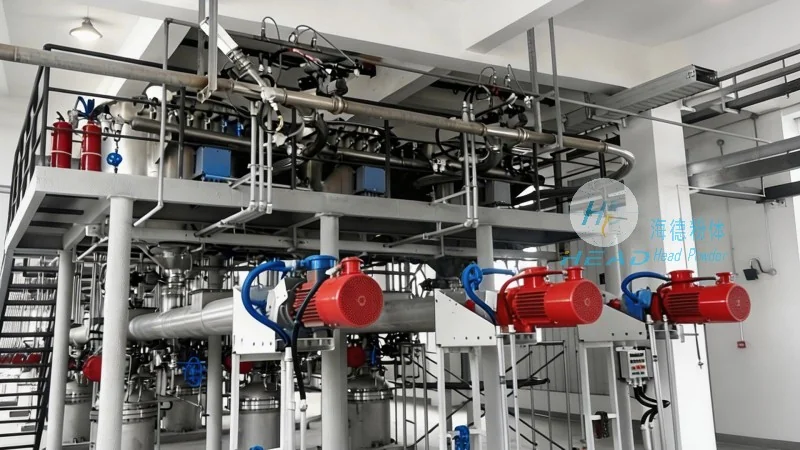
Understanding the Core Function of Loading and Unloading Pneumatic Conveying Systems
The fundamental purpose of a bulk powder pneumatic conveying system for loading and unloading is to enable the seamless transfer of dry bulk materials between different stages of the supply chain. For example, in a warehouse setting, these systems can efficiently move powders from a truck to a storage silo, or from a silo to a processing line. The process typically involves a hopper or loading port at the vehicle or storage point, where the material is fed into the system. A blower or vacuum pump then generates the necessary air pressure or vacuum to draw or push the material through the conveying line. The design of the system must account for the physical properties of the powder, such as particle size, density, and flowability, to ensure optimal performance and prevent issues like blockages or material degradation.
Key Design Principles Behind Pneumatic Conveying Systems
The design of a bulk powder pneumatic conveying system for loading and unloading is based on several critical principles that ensure efficient and reliable operation. The first principle is the selection of the appropriate conveying method, which can be classified as pressure or vacuum systems. Pressure systems use a positive pressure blower to push material through the line, while vacuum systems use a vacuum pump to pull material. The choice between these methods depends on factors like the distance to be covered, the material's properties, and the required flow rate. Another key design principle is the layout of the conveying line, including the number and placement of bends, elbows, and expansion joints. Proper line design minimizes pressure losses and prevents material accumulation, which can lead to blockages. Additionally, the system must incorporate components like filters, cyclones, and silencers to manage dust, maintain air quality, and reduce noise. The material of construction for the pipes, hoppers, and other components is also critical, as it must be compatible with the conveyed material to prevent contamination or corrosion.
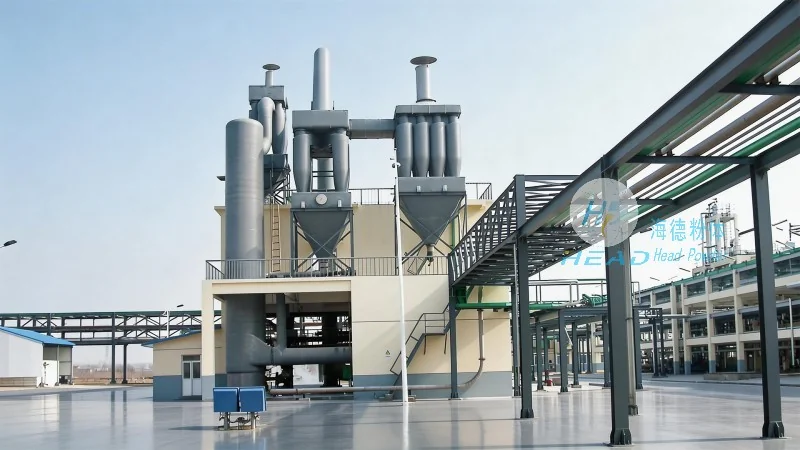
Components and Their Roles in the System
A typical bulk powder pneumatic conveying system for loading and unloading consists of several key components, each playing a vital role in the overall operation. The main components include the feeding hopper or loading port, which holds the material and provides a controlled feed to the system. The blower or vacuum pump generates the air pressure or vacuum required for conveying. The conveying line, made of materials like stainless steel or plastic, transports the material. At the receiving end, a silo or hopper collects the material, and a filter or cyclone separates the material from the air. The system may also include valves, such as rotary airlocks or slide gates, to control the flow of material and prevent backflow. The design of each component must be optimized to handle the specific characteristics of the powder being conveyed, ensuring consistent performance and minimal maintenance.
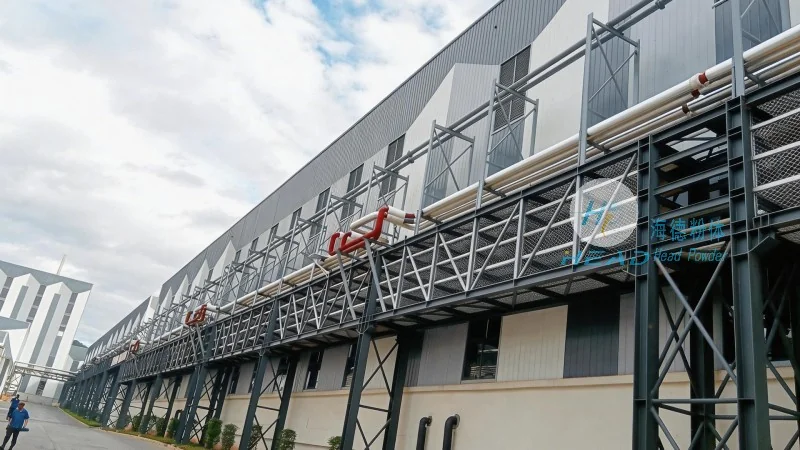
Applications and Benefits of Pneumatic Conveying Systems
Bulk powder pneumatic conveying systems for loading and unloading are used in a wide range of applications across various industries. In the food industry, these systems are used to transport ingredients like flour, sugar, and spices from trucks to processing lines or storage silos. In the pharmaceutical industry, they handle sensitive powders such as active pharmaceutical ingredients (APIs) and excipients, ensuring contamination-free transfer. In the chemical industry, they convey materials like powders, granules, and fine particles for production processes. The benefits of using such systems include improved safety, as they eliminate the need for manual handling of bulk materials, reduced labor costs, and increased efficiency compared to traditional methods like bucket elevators or conveyor belts. Additionally, pneumatic conveying systems can handle materials with varying properties, making them versatile for different applications. The ability to transport materials over long distances without the need for multiple transfer points also contributes to their efficiency.
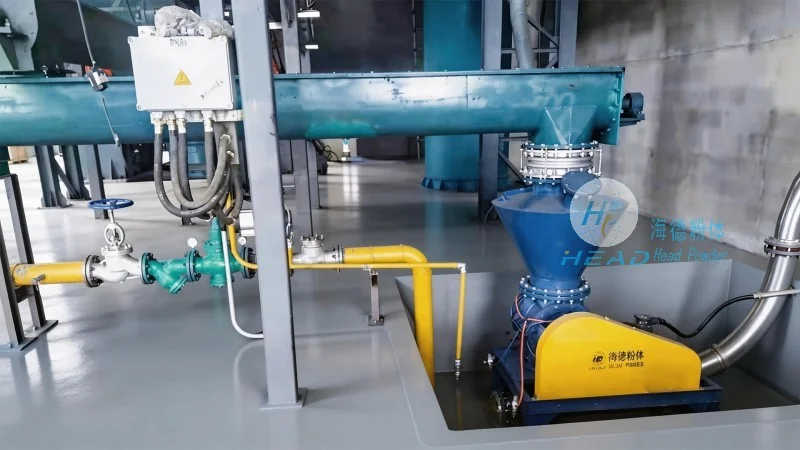
Considerations for Selecting and Implementing a Pneumatic Conveying System
When selecting a bulk powder pneumatic conveying system for loading and unloading, several factors must be considered to ensure it meets the specific needs of the application. The first consideration is the material properties, including particle size, density, flowability, and moisture content. These properties determine the appropriate conveying method (pressure or vacuum) and the required air velocity. The second consideration is the distance and layout of the conveying line, as this affects the system's capacity and pressure requirements. The third consideration is the required flow rate and throughput, which influences the size of the blower or vacuum pump and the diameter of the conveying line. Additionally, the system must comply with safety regulations, such as dust explosion prevention measures, especially for flammable materials. The cost of the system, including installation and maintenance, is also a critical factor. Working with a reputable manufacturer like Shandong HeadPowder Engineering Co., Ltd., based in China, can help ensure that the system is designed and manufactured to meet these requirements and provide long-term reliability.
Conclusion: The Importance of Proper Design and Implementation
Bulk powder pneumatic conveying systems for loading and unloading are essential equipment for efficient material handling in various industries. Their design principles, which include selecting the appropriate conveying method, optimizing line layout, and incorporating suitable components, are crucial for ensuring reliable operation. The benefits of using these systems, such as improved safety, reduced labor costs, and increased efficiency, make them a preferred choice for many applications. When properly designed and implemented, these systems can significantly enhance the productivity and safety of material handling operations. Shandong HeadPowder Engineering Co., Ltd., with its expertise in bulk material handling, offers comprehensive solutions for loading and unloading pneumatic conveying systems, helping businesses achieve their material handling goals effectively.