

What is a Ton Bag Quantitative Feeding Powder Pneumatic Conveying Machine? What is its Design Princi
For industrial applications that require precise and efficient handling of bulk powders, the ton bag quantitative feeding pneumatic conveying machine has emerged as a critical solution. This equipment is designed to automate the process of transferring large quantities of powder from bulk bags (ton bags) into processing lines with high accuracy and minimal waste. Understanding both the functionality and the underlying design principles of this system is essential for industries such as pharmaceuticals, food processing, and chemical manufacturing, where material consistency and operational efficiency are paramount.
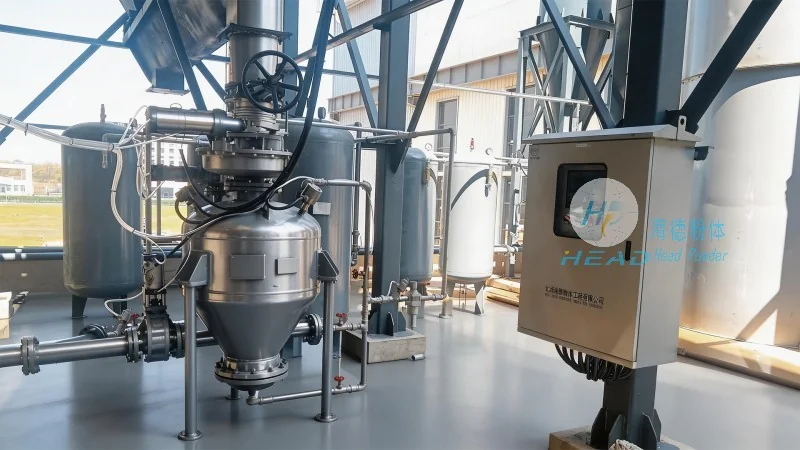
What is a Ton Bag Quantitative Feeding Pneumatic Conveying Machine?
A ton bag quantitative feeding pneumatic conveying machine is a specialized system engineered to handle the transfer of bulk powders from large capacity bags, typically with a capacity of one ton or more. The system integrates several key components, including a hopper for receiving the powder from the ton bag, a feeding mechanism that controls the flow rate, and a pneumatic conveying pipeline that transports the material to the destination point. The primary goal of this equipment is to provide a reliable, dust-free, and automated method for feeding powders into downstream processes, such as mixing, blending, or packaging. By eliminating manual handling, the system reduces the risk of contamination and improves overall operational safety.
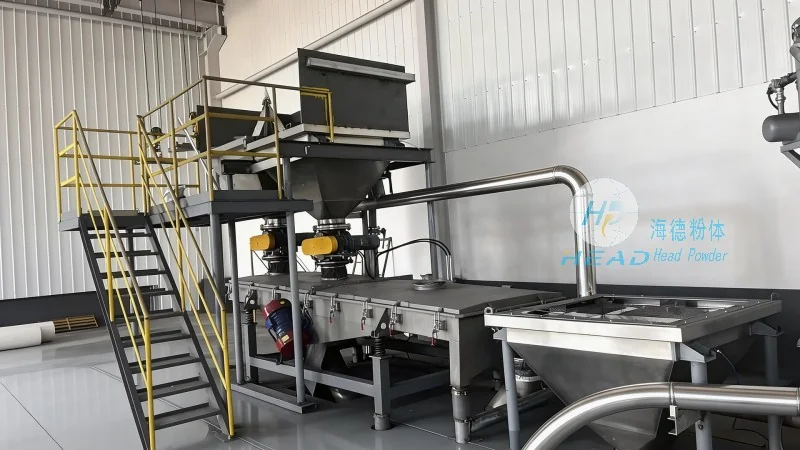
Key Components and Their Functions
The effectiveness of a ton bag quantitative feeding pneumatic conveying machine relies on the integration of several critical components, each playing a specific role in the overall operation. The first component is the ton bag itself, which serves as the primary container for the bulk powder. The bag is typically made of durable, breathable materials to prevent moisture buildup while allowing air to escape during the conveying process. Next, the hopper is attached to the bottom of the ton bag and is designed to collect the powder as it is discharged from the bag. The hopper often features a conical or rectangular shape to facilitate smooth flow and prevent material bridging or clogging. A feeding mechanism, such as a rotary valve or a screw feeder, is installed at the outlet of the hopper. This component regulates the flow rate of the powder into the pneumatic conveying system, ensuring precise and controlled feeding. The pneumatic conveying pipeline, which can be either positive or negative pressure, transports the powder from the hopper to the processing equipment. The pipeline is usually made of stainless steel or other corrosion-resistant materials to handle various types of powders and maintain hygiene standards. Finally, the system includes a control unit that monitors and adjusts the flow rate, pressure, and other parameters to maintain optimal performance. This unit may include sensors to detect the level of powder in the hopper or the pressure in the pipeline, allowing for real-time adjustments and preventing overfilling or underfilling.
The Design Principle Behind the System
The design principle of a ton bag quantitative feeding pneumatic conveying machine is centered on the concept of pneumatic transport, which utilizes air to move the powder through the conveying system. The system operates on either positive pressure or negative pressure, depending on the specific application and the nature of the powder. In positive pressure systems, compressed air is introduced into the hopper, creating an upward flow that lifts the powder and pushes it through the pipeline. This method is commonly used for fine powders that are prone to clogging and requires a higher air velocity to maintain flow. Negative pressure systems, on the other hand, use suction to draw the powder from the hopper into the pipeline. This approach is often preferred for dusty or hazardous powders, as it creates a sealed environment that prevents dust from escaping into the workplace. The design also incorporates a quantitative feeding mechanism, which ensures that the correct amount of powder is fed into the system at a consistent rate. This is achieved through the use of flow control devices, such as variable speed drives or adjustable rotary valves, that regulate the speed of the feeding mechanism. The system may also include a dust collection system to capture any particles that escape during the conveying process, ensuring compliance with environmental regulations and maintaining a clean working environment.
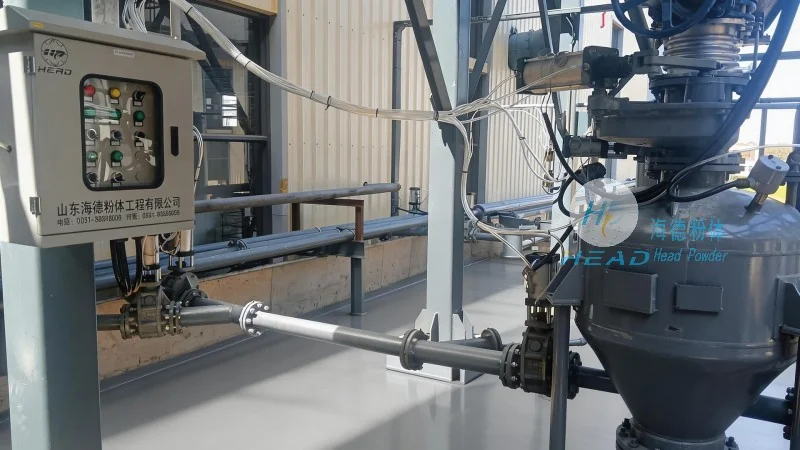
Benefits and Applications
The ton bag quantitative feeding pneumatic conveying machine offers numerous benefits to industries that handle bulk powders. One of the primary advantages is the ability to achieve precise and consistent feeding rates, which is crucial for processes that require exact material ratios, such as pharmaceutical manufacturing or food processing. By automating the feeding process, the system reduces the risk of human error and ensures that the correct amount of powder is delivered to the processing line. Another key benefit is the reduction in material waste and labor costs. Manual handling of bulk powders is often time-consuming and can lead to spillage and contamination, which can be costly and environmentally harmful. The automated system minimizes these issues by providing a controlled and efficient transfer of material. Additionally, the system enhances operational safety by eliminating the need for workers to handle heavy ton bags or work in dusty environments. The sealed design of the system prevents dust from entering the workplace, reducing the risk of respiratory issues and other health hazards. The ton bag quantitative feeding pneumatic conveying machine is widely used in various industries, including pharmaceuticals, food and beverage, chemicals, and minerals processing. In the pharmaceutical industry, it is used to transfer active ingredients and excipients with high precision, ensuring that the final product meets strict quality standards. In the food industry, it is used to handle ingredients such as flour, sugar, and spices, maintaining hygiene and preventing contamination. In the chemical industry, it is used to transport powders such as pigments, catalysts, and reagents, which may be hazardous or sensitive to moisture. The versatility of the system makes it suitable for a wide range of applications, from small-scale operations to large-scale industrial plants.